15th Amendment — Black Male Voting Rights
The 15th Amendment prohibited denying the right to vote based on race, color, or previous condition of servitude — granting Black men the formal right to vote, though it would be systematically suppressed for nearly a century.
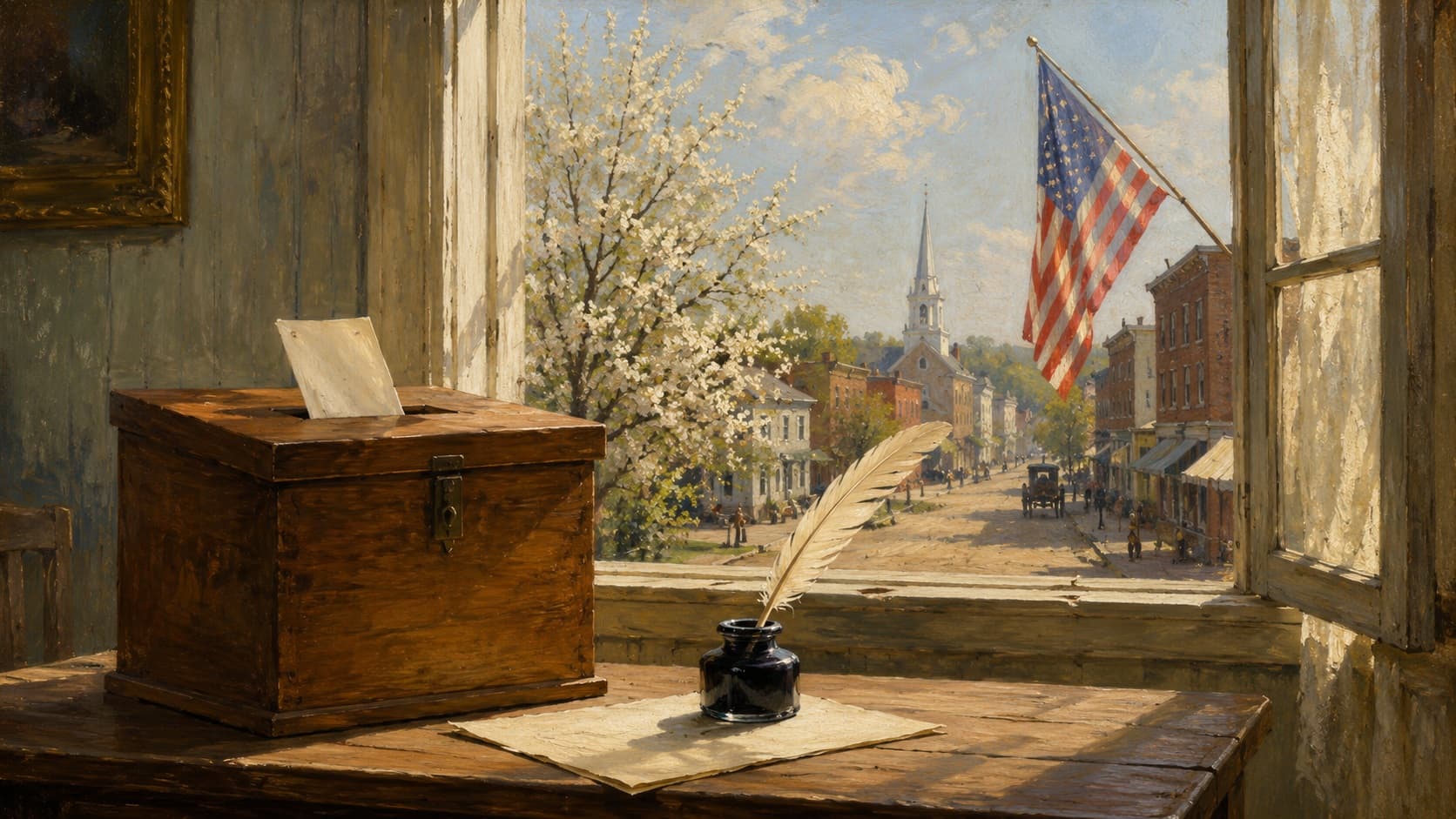
What Happened
Ratified on February 3, 1870, the 15th Amendment stated that the right to vote 'shall not be denied or abridged by the United States or by any State on account of race, color, or previous condition of servitude.' Immediately after ratification, Black voters participated in elections across the South. However, Southern states systematically disenfranchised Black voters through poll taxes, literacy tests, grandfather clauses, and violence — effectively negating the 15th Amendment for nearly a century until the Voting Rights Act of 1965.
Why It Mattered Then
The 15th Amendment was a revolutionary act — formally extending political power to formerly enslaved people and their descendants. The brief period of Reconstruction saw real Black political participation and representation.
Why It Matters Now
The 15th Amendment's promise was largely denied for 95 years. The Voting Rights Act of 1965 was the mechanism to finally enforce it. The ongoing tension between voting rights and voter suppression is a direct continuation of this struggle.
Key Themes
This event is part of the 1865–1877: Reconstruction era (1865–1877).
Explore This Era →