Pillar One
America 250 Timeline
From the Road to Independence to the nation's 250th anniversary — 12 major eras that shaped the United States.
- 1
Pre-1776
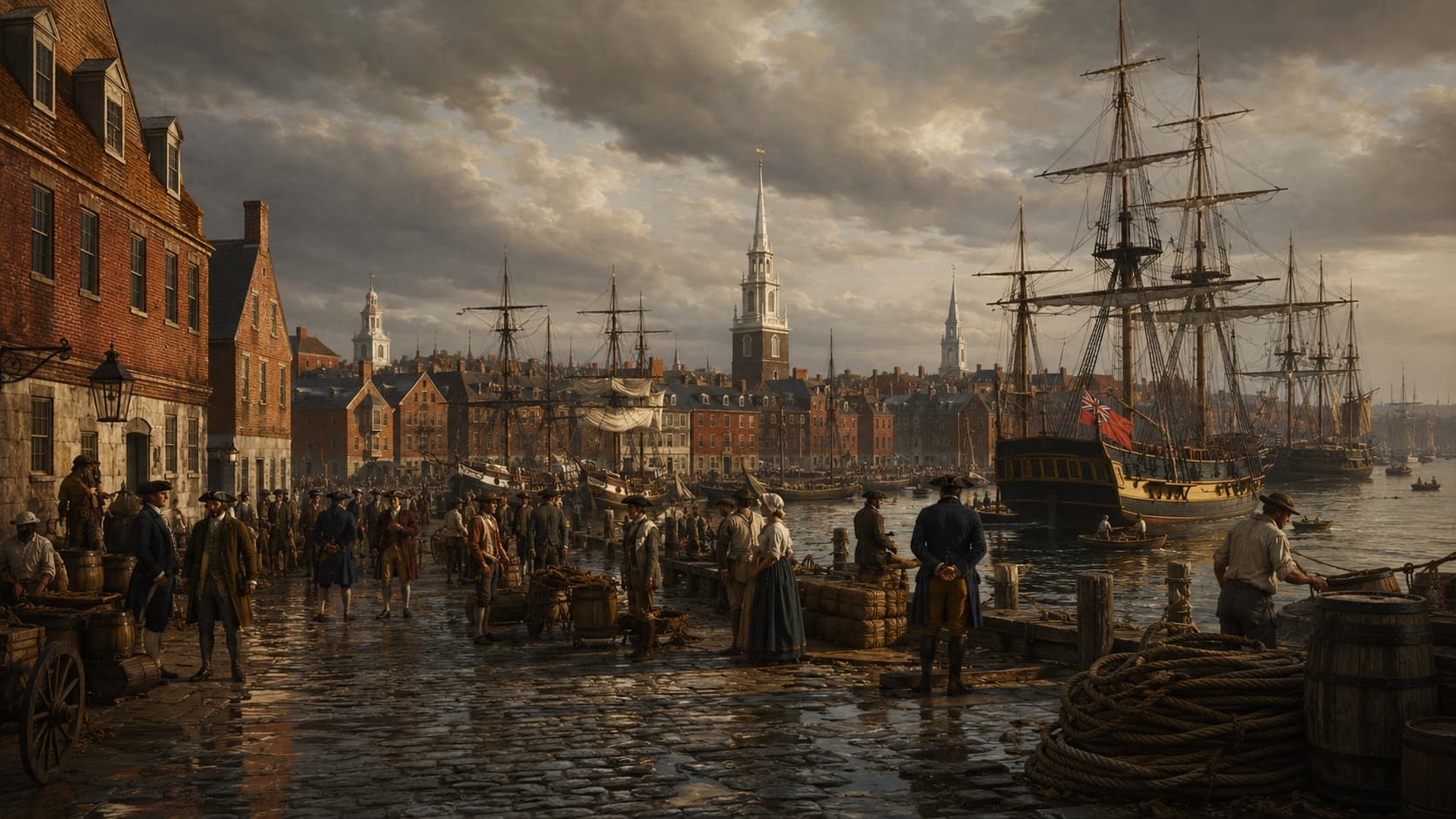
Before 1776: The Road to Independence
For more than 150 years, Britain's American colonies grew into distinct societies with their own economies, politics, and identities. Tensions over taxation, representation, and colonial rights escalated through the 1760s and early 1770s until armed conflict became unavoidable.
- Colonial resistance
- Taxation without representation
- Natural rights
- Self-governance
- 2
1776–1783
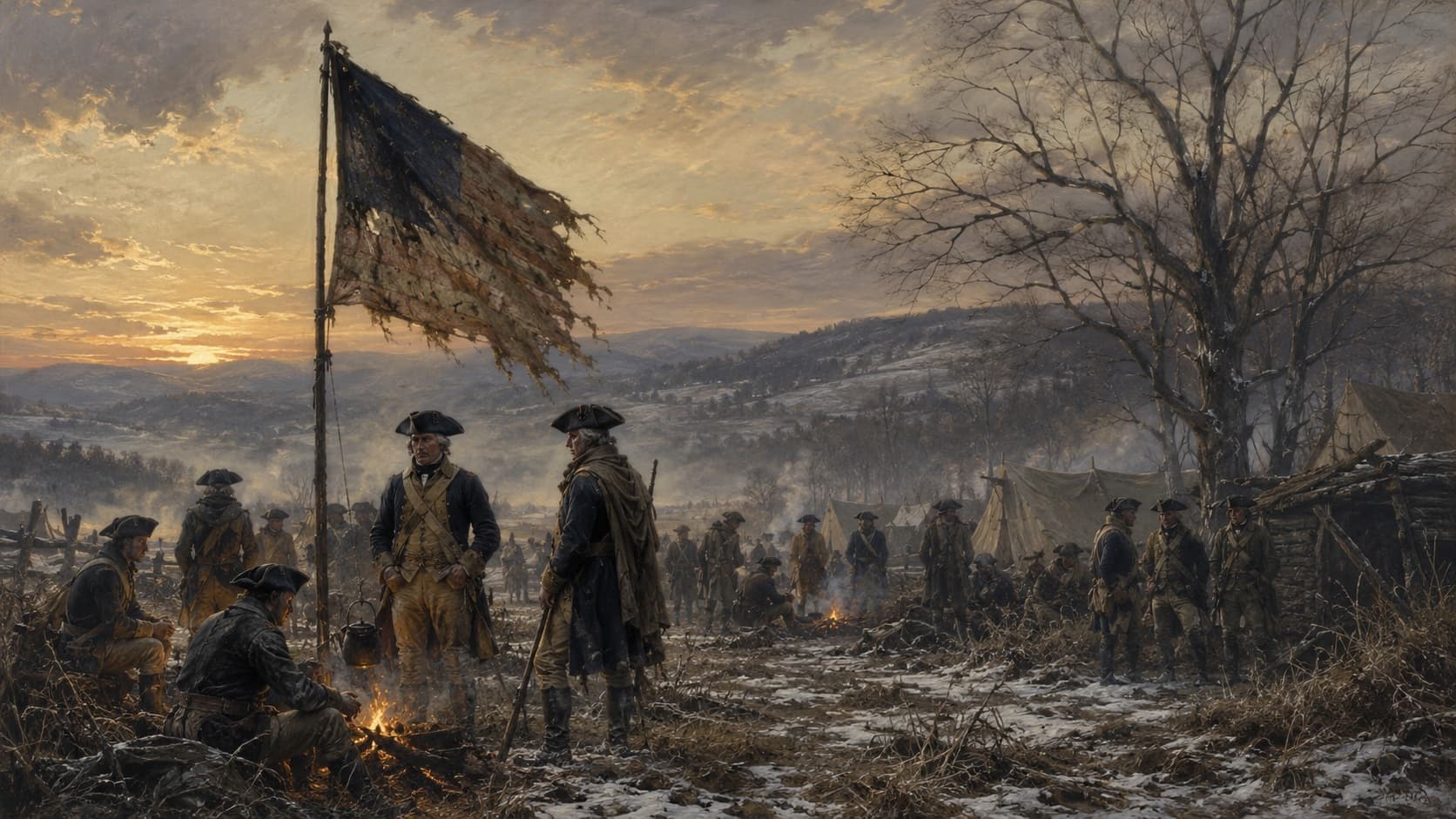
1776–1783: Revolution and Independence
The Declaration of Independence announced American nationhood on July 4, 1776. Eight years of war followed before Britain recognized American independence in the Treaty of Paris. The Revolution transformed a colonial rebellion into a nation built on Enlightenment principles.
- Independence
- Natural rights
- Revolution
- Founding principles
- 3

1783–1791
1783–1791: Constitution and Bill of Rights
After independence, the new nation struggled under the weak Articles of Confederation. The Constitutional Convention of 1787 produced a stronger federal framework. Ratification debates between Federalists and Anti-Federalists shaped the Constitution and led to the Bill of Rights in 1791.
- Constitutional government
- Federalism
- Individual rights
- Civil liberties
- 4
1790s–1820s
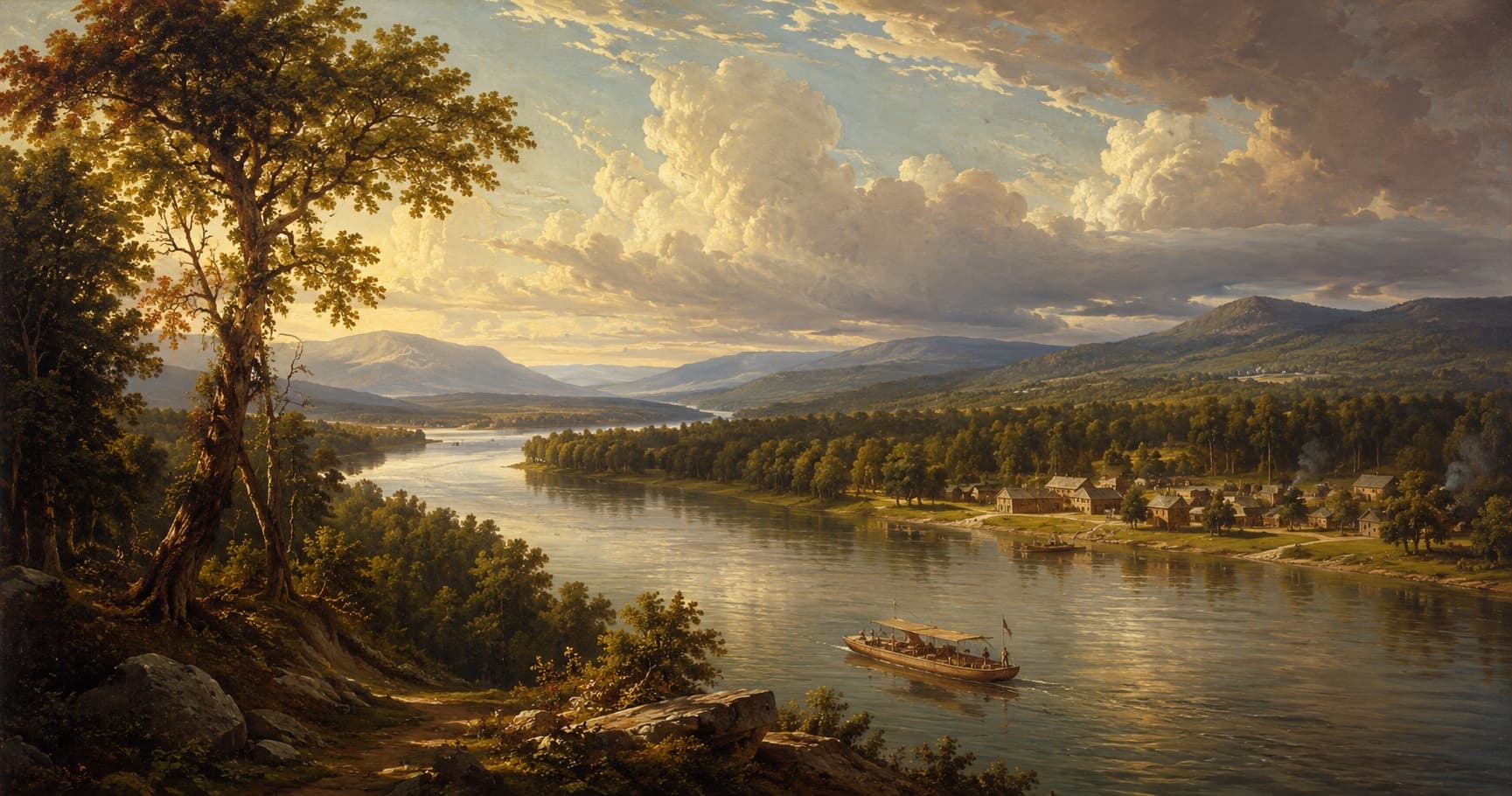
1790s–1820s: The Early Republic
The United States established its governing institutions, survived its first partisan battles, and began expanding westward. The Louisiana Purchase doubled national territory. The Era of Good Feelings gave way to new political divisions. A distinctly American national identity began to take shape.
- Nation-building
- Westward expansion
- Political parties
- Foreign policy
- 5

1803–1848
1803–1848: Expansion, Democracy, and Conflict
Rapid westward expansion transformed the nation's size and character. Jacksonian democracy broadened voting rights for white men while simultaneously intensifying conflict over slavery. The displacement of Native American nations accelerated. The war with Mexico added vast new territories and sharpened the sectional crisis.
- Westward expansion
- Democracy
- Slavery
- Native American displacement
- 6
1848–1865
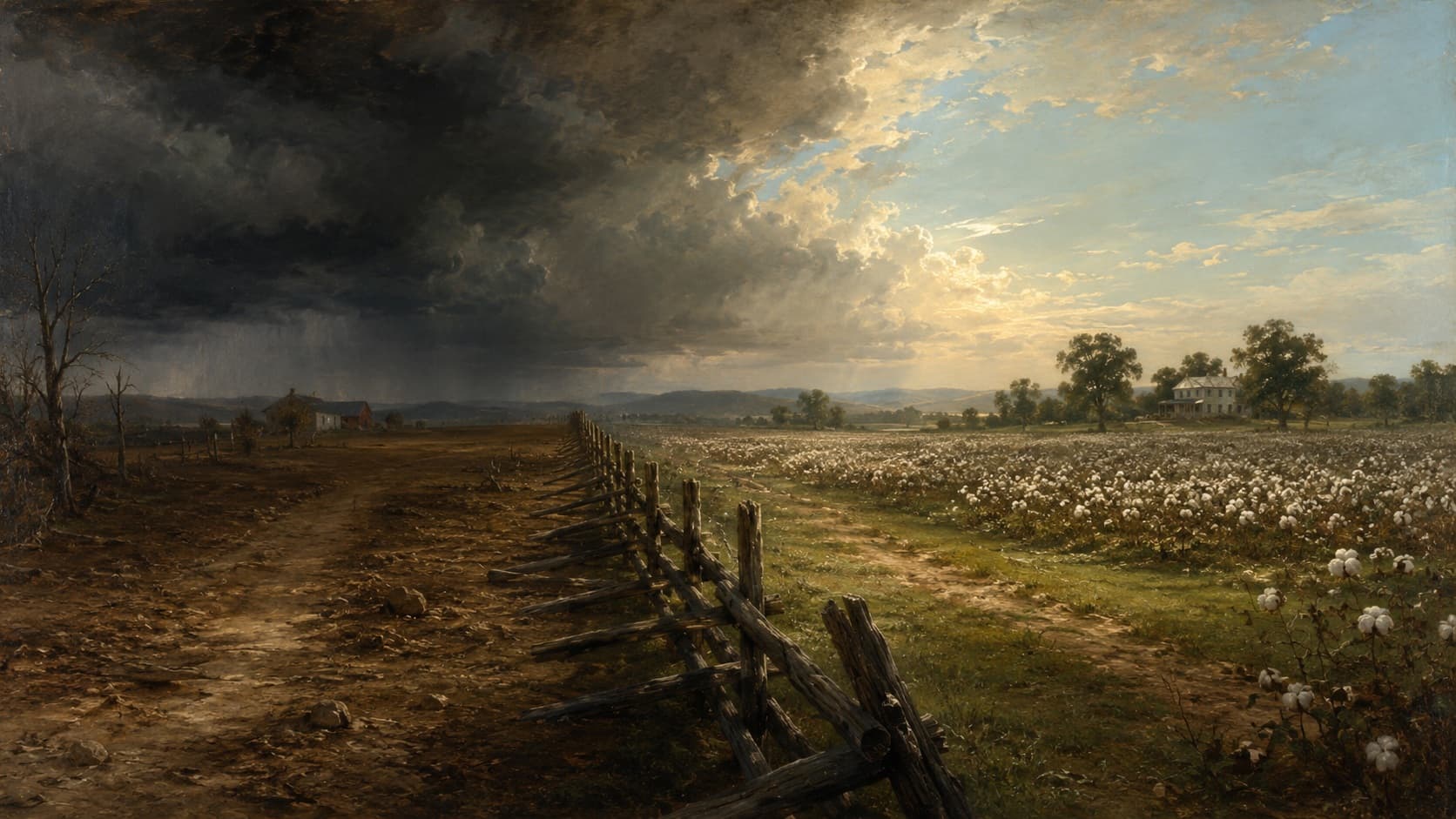
1848–1865: Slavery, Sectional Crisis, and Civil War
The question of slavery's expansion into new territories consumed national politics. A series of failed compromises gave way to secession and the bloodiest war in American history. The Civil War ended with the Union preserved and slavery abolished.
- Slavery
- Civil War
- Abolition
- Union
- 7

1865–1877
1865–1877: Reconstruction
After the Civil War, the nation attempted to rebuild and integrate formerly enslaved people as citizens. The 14th and 15th Amendments expanded civil and voting rights. But Reconstruction was contested and ultimately abandoned, leaving the South free to impose racial oppression through new means.
- Reconstruction
- Civil rights
- Constitutional amendments
- Racial equality
- 8
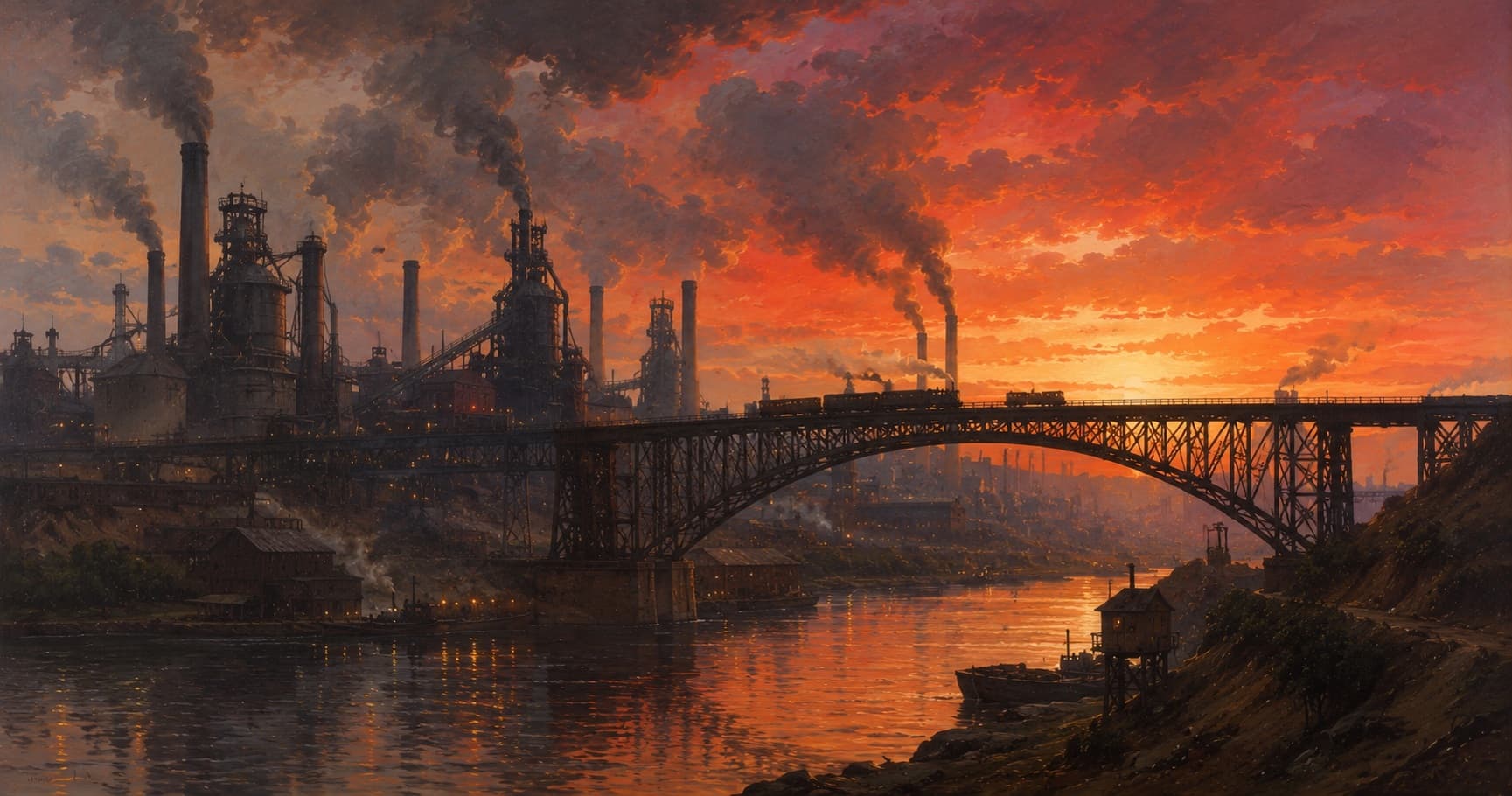
1877–1914
1877–1914: Industrial America and Reform
Industrialization transformed the United States into an economic powerhouse, but at great cost to workers and the environment. Immigration swelled cities. Jim Crow laws reimposed racial oppression across the South. The Progressive movement emerged to reform political corruption, regulate industry, and expand rights.
- Industrialization
- Immigration
- Jim Crow
- Progressive reform
- 9
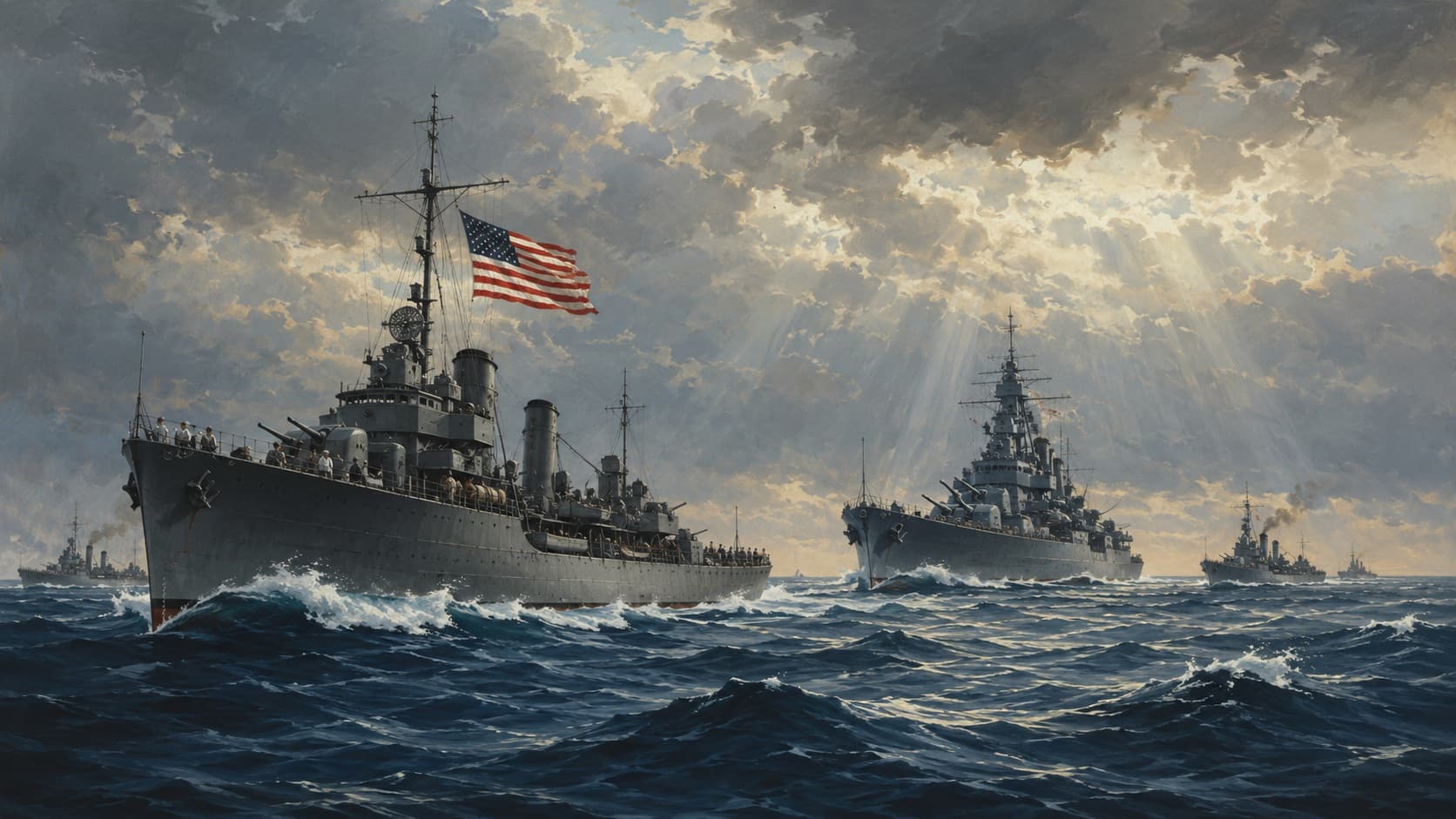
1914–1945
1914–1945: World Wars and Global Power
The United States entered World War I reluctantly and World War II decisively. In between, the nation survived the Great Depression. Women won the right to vote in 1920. The New Deal reshaped the federal government's role in American life. Victory in 1945 made the United States the world's dominant power.
- World War I
- Women's suffrage
- Great Depression
- New Deal
- 10
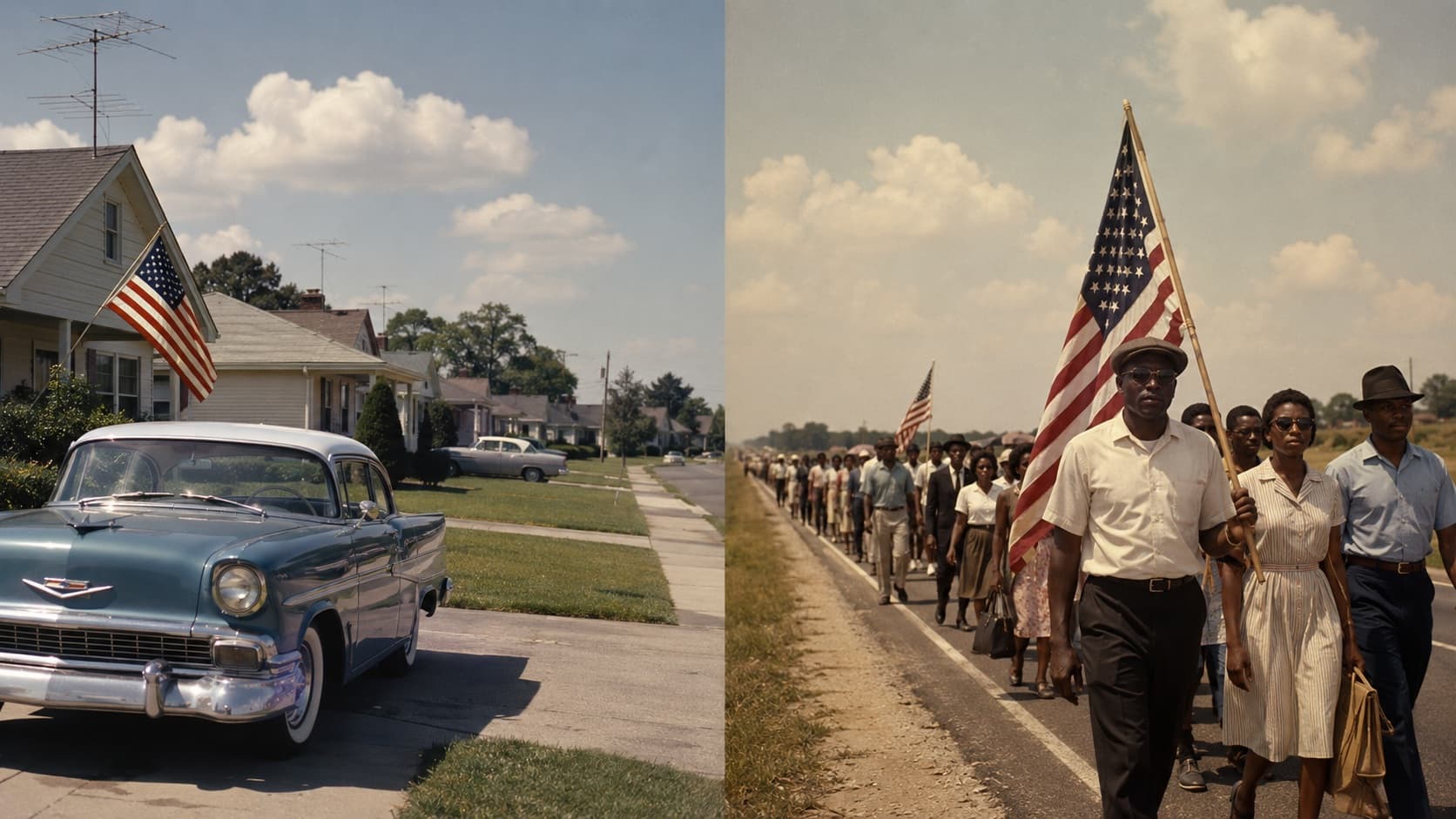
1945–1968
1945–1968: Cold War, Civil Rights, and Cultural Change
The United States and Soviet Union locked into a global Cold War. At home, the civil rights movement challenged racial segregation and won landmark legislative victories. The postwar boom created a mass middle class. The 1960s brought the moon landing, cultural upheaval, and political assassinations.
- Cold War
- Civil rights
- Space race
- Cultural change
- 11

1968–2001
1968–2001: Modern Politics, Technology, and Globalization
Watergate shook public trust in government. The Cold War ended with the Soviet Union's collapse. The internet and personal computer transformed communication, work, and daily life. Globalization reshaped the economy. The United States stood as the world's sole superpower as the millennium turned.
- Watergate
- Cold War end
- Technology
- Globalization
- 12
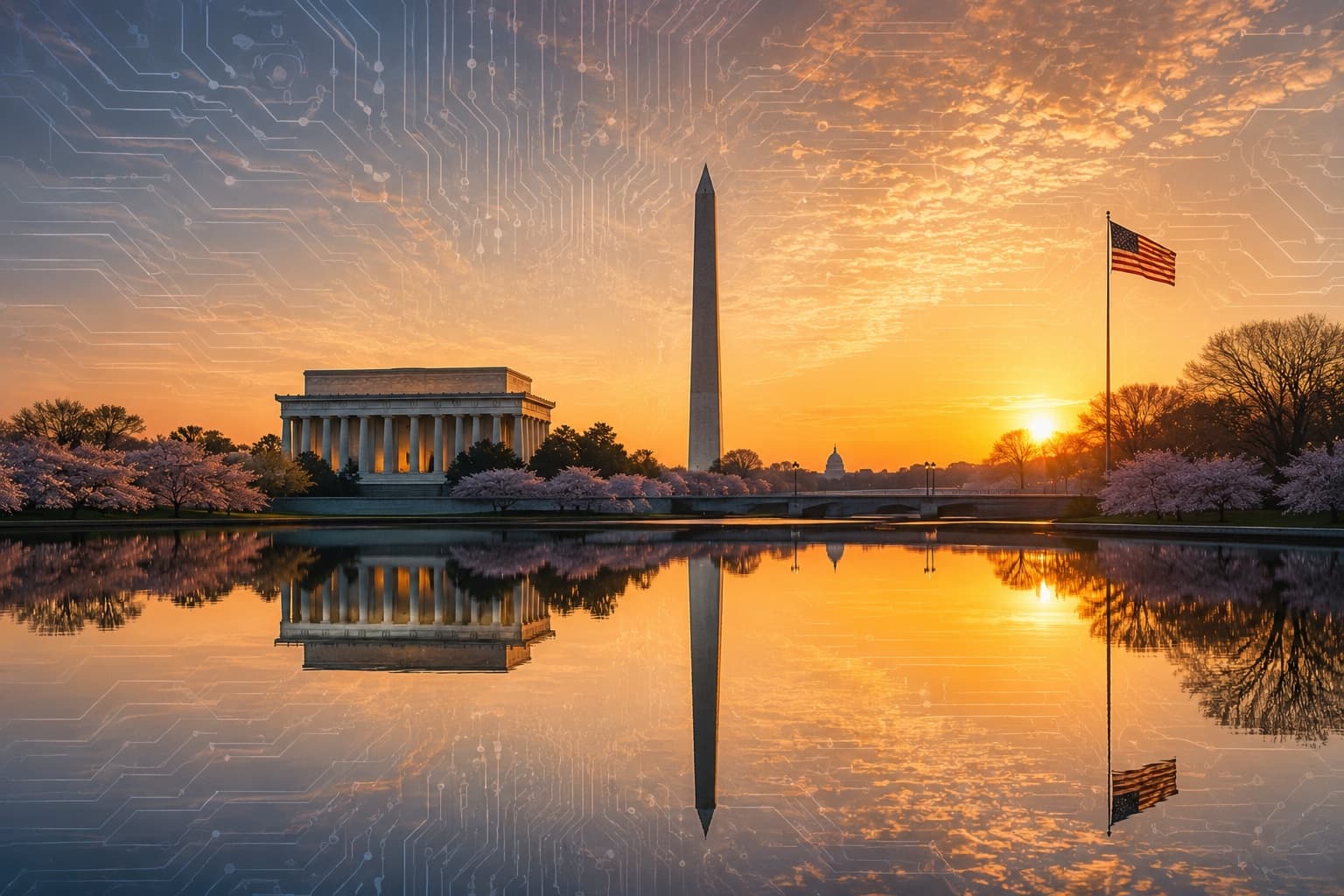
2001–2026
2001–2026: Security, Digital Life, AI, and America at 250
September 11 reshaped national security and foreign policy. Social media transformed public discourse. A Black president was elected and re-elected. Economic inequality widened. Artificial intelligence emerged as a defining technology. A global pandemic altered daily life. On July 4, 2026, the United States marks 250 years of independence.
- September 11
- Digital life
- Artificial intelligence
- Democracy

Ask Dr. Hart about America's Timeline
AI Historical Guide · America 250 Atlas
Dr. Abigail Hart can help you connect events across eras, explain turning points, and explore how 12 key periods shaped the United States from 1776 to 2026.