Pillar Three
States & Their Stories
The American story is 50 stories. Explore how individual states shaped the nation — as birthplaces of revolution, theaters of war, crucibles of civil rights, and laboratories of democracy.
Northeast
Connecticut
Constitution State of Commerce and Reform
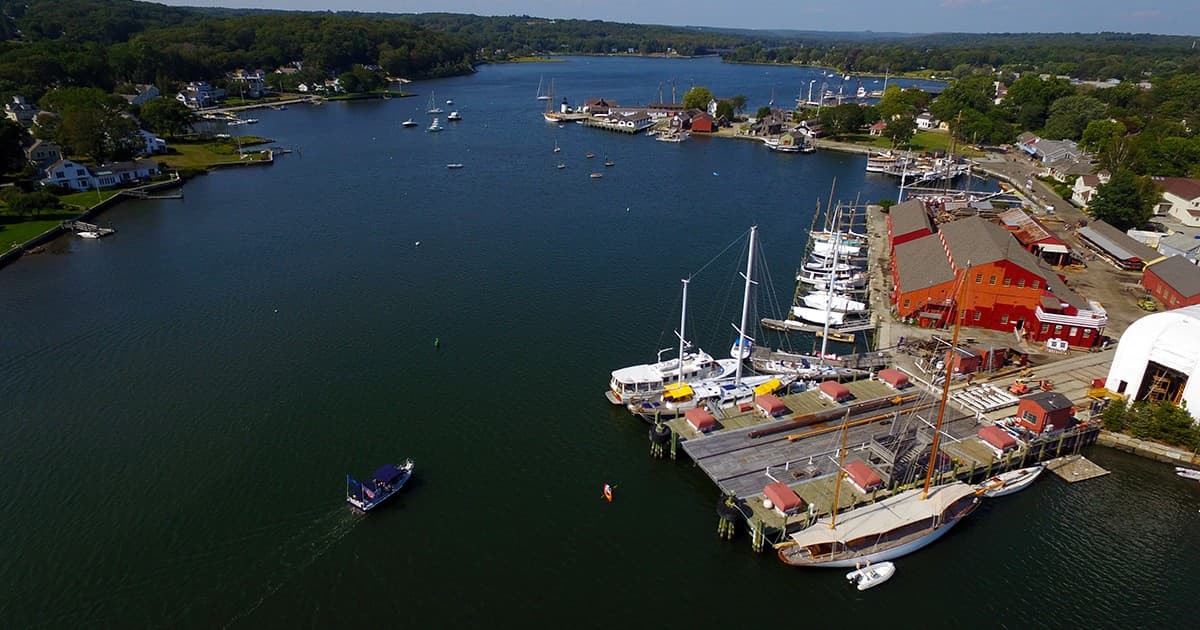
Connecticut’s history connects early constitutional government, maritime commerce, manufacturing, and a strong tradition of civic life. The Fundamental Orders of 1639 helped give the state its “Constitution State” identity, while its colonial towns developed enduring traditions of local self-government. During the Revolution, Connecticut supplied troops, food, ships, and arms to the patriot cause, earning the name the “Provision State.” In the nineteenth century, the state became a center of manufacturing, including Colt firearms, clocks, textiles, and later insurance and financial services. Connecticut also played a role in antislavery history through the Amistad case, which affirmed principles of human liberty. Its story reflects New England civic ideals, enduring traditions of self-government, and a spirit of commerce and innovation that helped shape the American character.
Delaware
First State of Union and Industry
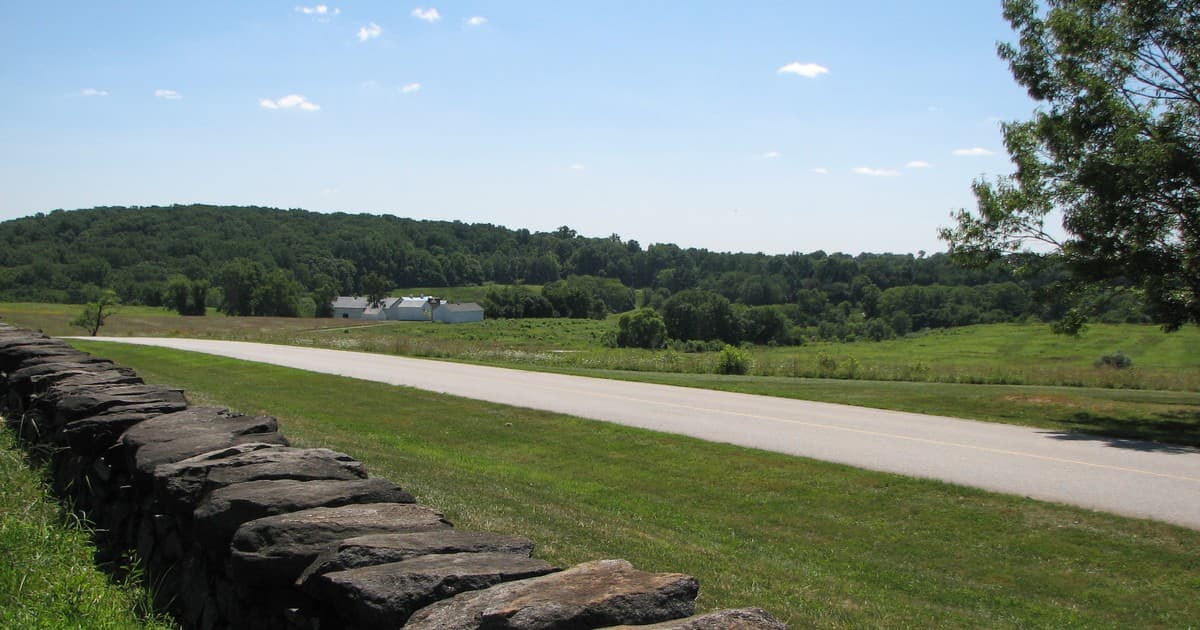
Delaware’s small size has never limited its historical importance. Located between the Chesapeake, Philadelphia, and the Atlantic world, it developed through Dutch, Swedish, and English colonization, maritime trade, and a strong tradition of civic leadership. Delaware became famous as the first state to ratify the U.S. Constitution on December 7, 1787, earning the enduring title “First State.” Its delegates championed the small-state principle that helped produce equal representation in the Senate — a landmark achievement in democratic governance. In the nineteenth and twentieth centuries, Delaware’s economy was transformed by the DuPont chemical industry, rail connections, corporate law, and financial services, making it a center of American innovation and enterprise.
Maine
Maritime Frontier of Union and Freedom
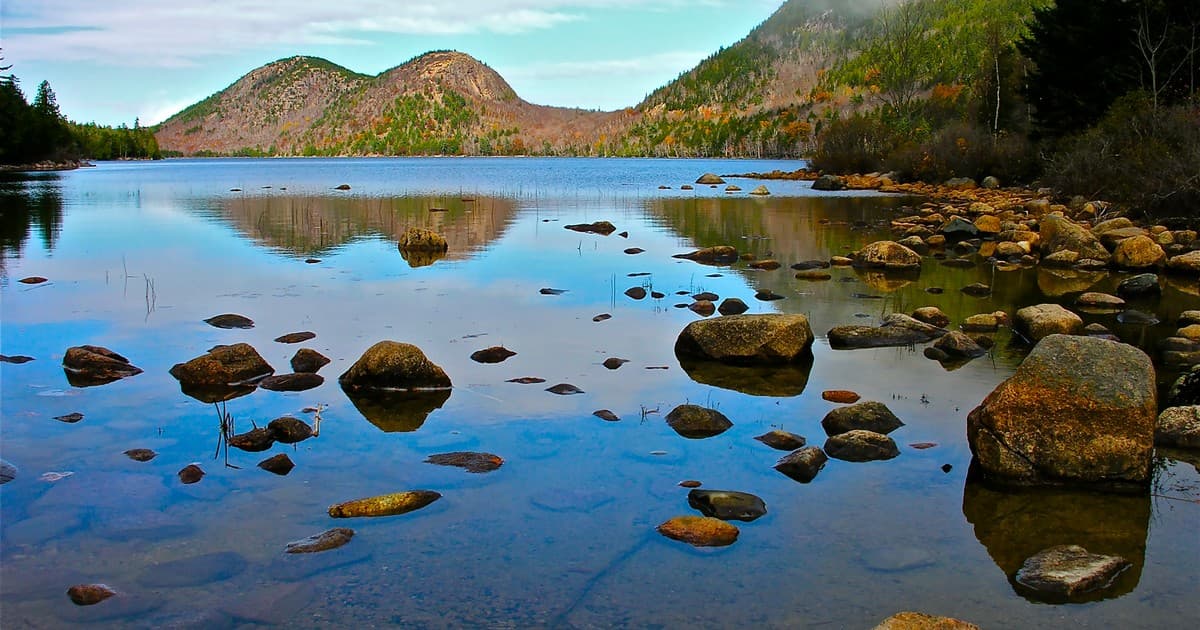
Maine’s history is shaped by Wabanaki homelands, Atlantic fisheries, shipbuilding, frontier conflict, statehood politics, and Civil War memory. Long part of Massachusetts, Maine developed a distinct identity through its rocky coast, timber economy, maritime trade, and inland settlements. Its admission as a state in 1820 was tied to the Missouri Compromise, linking Maine’s statehood directly to the national struggle over slavery’s expansion. Maine became known for shipbuilding, fishing, lumber, and seafaring communities, as well as reform movements including temperance and abolition. During the Civil War, Maine contributed heavily to the Union cause, with the 20th Maine’s defense of Little Round Top at Gettysburg becoming a central part of national memory. Maine’s story joins regional independence with national crisis.

Massachusetts
The Cradle of the Revolution
Massachusetts was the spark that lit the American Revolution. The Boston Massacre, the Boston Tea Party, and the battles of Lexington and Concord all took place on Massachusetts soil. The state’s tradition of town hall democracy and public education shaped the young republic — and its abolitionist movement helped end slavery.

New Hampshire
Granite State of Liberty and Industry
New Hampshire’s history combines Revolutionary independence, New England town government, textile industry, reform politics, and a durable culture of civic participation. Its “Live Free or Die” identity reflects both Revolutionary memory and a strong tradition of local autonomy. New Hampshire was the first colony to establish an independent government during the Revolution, and its soldiers fought in key campaigns, including men who joined the fight at Bunker Hill. In the nineteenth century, textile mills along rivers such as the Merrimack transformed towns like Manchester and drew immigrant labor. The state was also connected to antislavery politics, reform movements, and the Civil War. In modern national politics, New Hampshire’s first-in-the-nation primary gives it an outsized role in presidential selection and democratic ritual.
New Jersey
The Crossroads of the Revolution
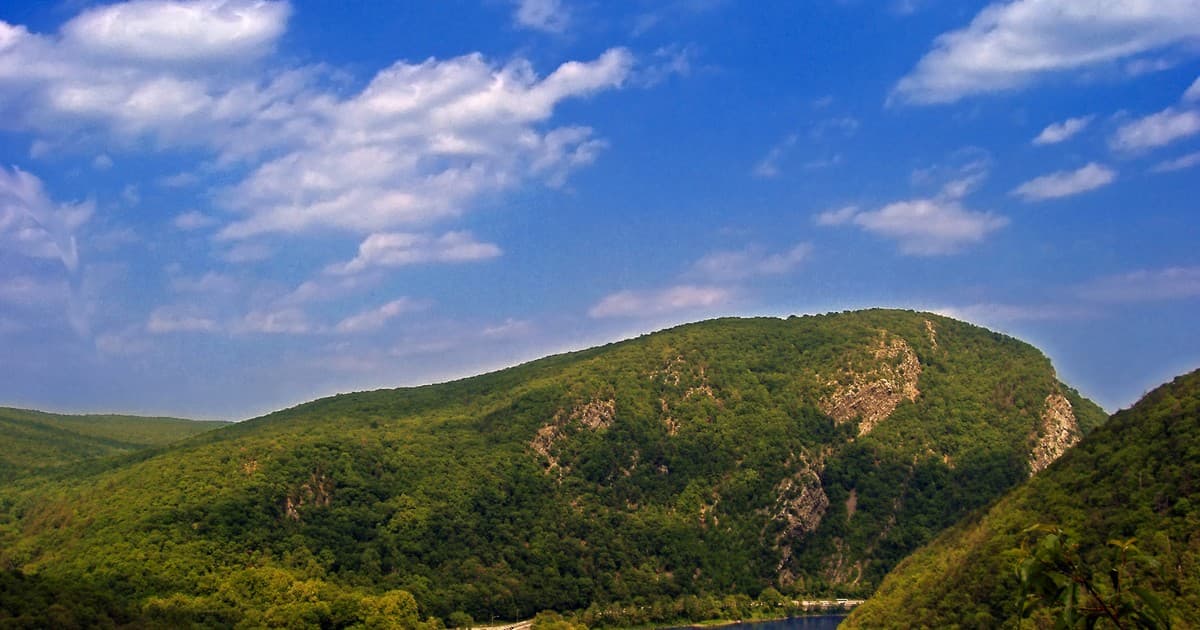
New Jersey earned its name as the Crossroads of the Revolution through more military engagements than any other colony. Washington’s surprise crossing of the Delaware and victory at Trenton revived the flagging Continental cause in 1776. Princeton University educated founders and presidents. Woodrow Wilson, the 28th president, governed New Jersey before entering the White House.
New York
The Gateway to America
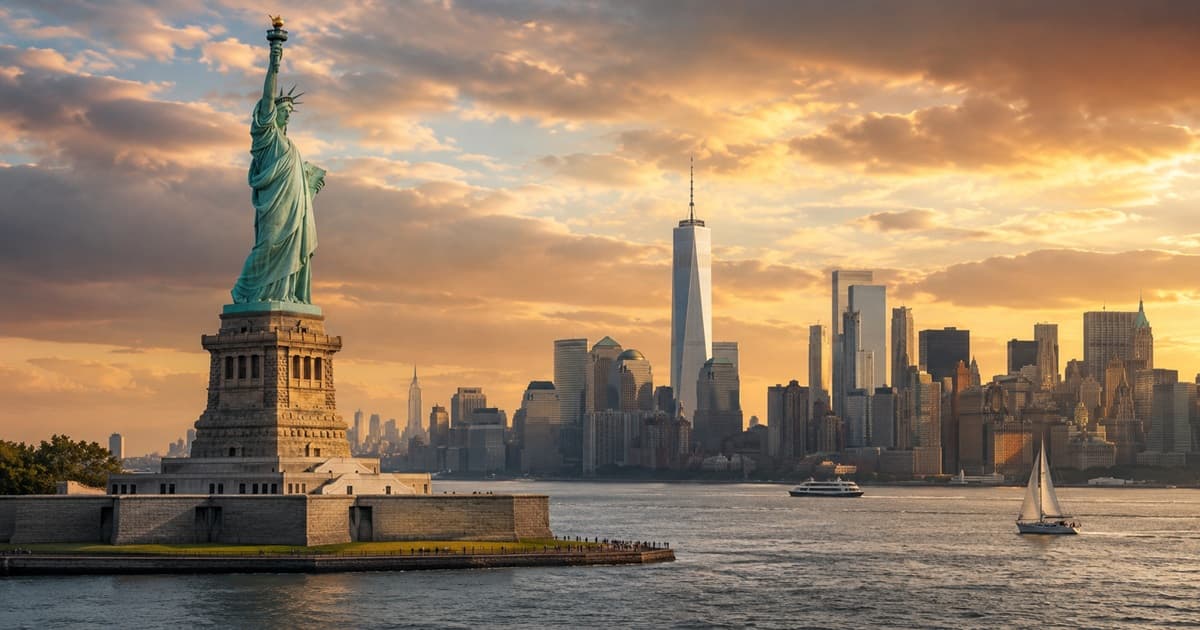
New York City was the first capital of the United States, where George Washington was inaugurated in 1789. For two centuries, it has been America’s gateway for immigration, commerce, and culture. The Empire State led the women’s suffrage movement, shaped American labor rights, and endured the September 11 attacks — emerging as the enduring symbol of American resilience.
Pennsylvania
Birthplace of American Democracy
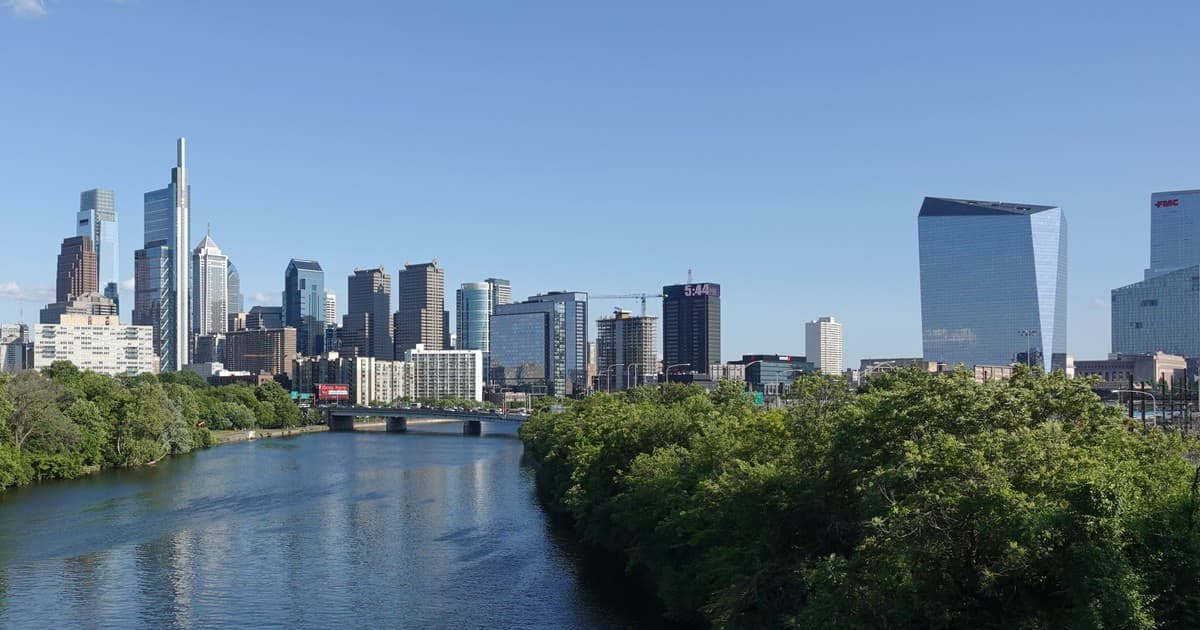
Pennsylvania was the crucible of the American founding. Philadelphia hosted the Continental Congress, the signing of the Declaration of Independence, and the Constitutional Convention. The Commonwealth balanced Quaker traditions of religious tolerance with the realities of revolutionary conflict — and remains central to the American democratic story.
Rhode Island
Liberty Colony of Conscience and Industry
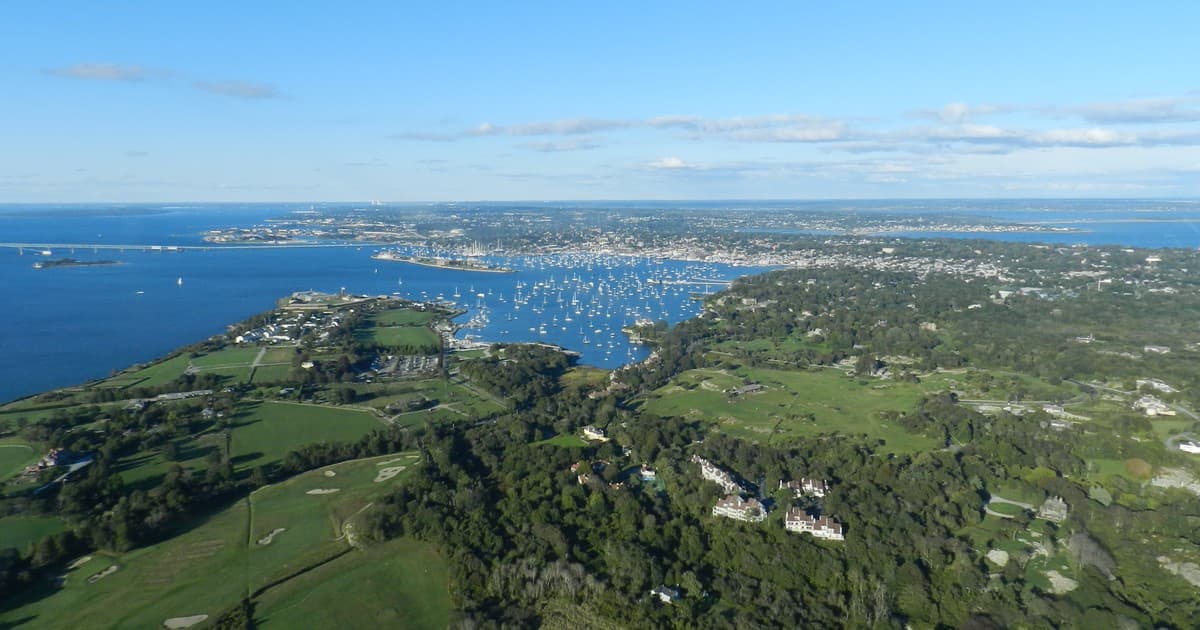
Rhode Island’s history is defined by religious liberty, dissent, maritime commerce, and industrialization. Founded by Roger Williams after his banishment from Massachusetts, Rhode Island became a refuge for religious dissenters and a landmark in the history of church-state separation. Its ports grew through Atlantic commerce, making the state one of the colonial era’s most prosperous trading communities. Rhode Island was the first colony to renounce allegiance to Britain in 1776, reflecting its bold tradition of independence. As the last of the original thirteen states to ratify the Constitution, Rhode Island insisted on stronger protections for individual rights. In the nineteenth century, Slater Mill helped launch American industrialization, tying the state to textile innovation and the birth of American manufacturing.

Vermont
Green Mountain State of Independence
Vermont’s history is marked by independence, antislavery politics, rural reform, education, and Civil War service. Unlike the original thirteen states, Vermont was not a British colony in the same sense; it emerged from contested land claims between New York and New Hampshire and declared itself an independent republic in 1777. Its early constitution prohibited adult slavery, an important antislavery milestone, though freedom and equality remained uneven in practice. Vermont entered the Union in 1791 as the first state admitted after the original thirteen. In the nineteenth century, it developed a strong antislavery and Republican political identity and contributed heavily to the Union war effort. Senator Justin Morrill’s land-grant college legislation connected Vermont to the national expansion of public higher education and agricultural science.
Mid-Atlantic
South
Alabama
The Heart of the Civil Rights Movement
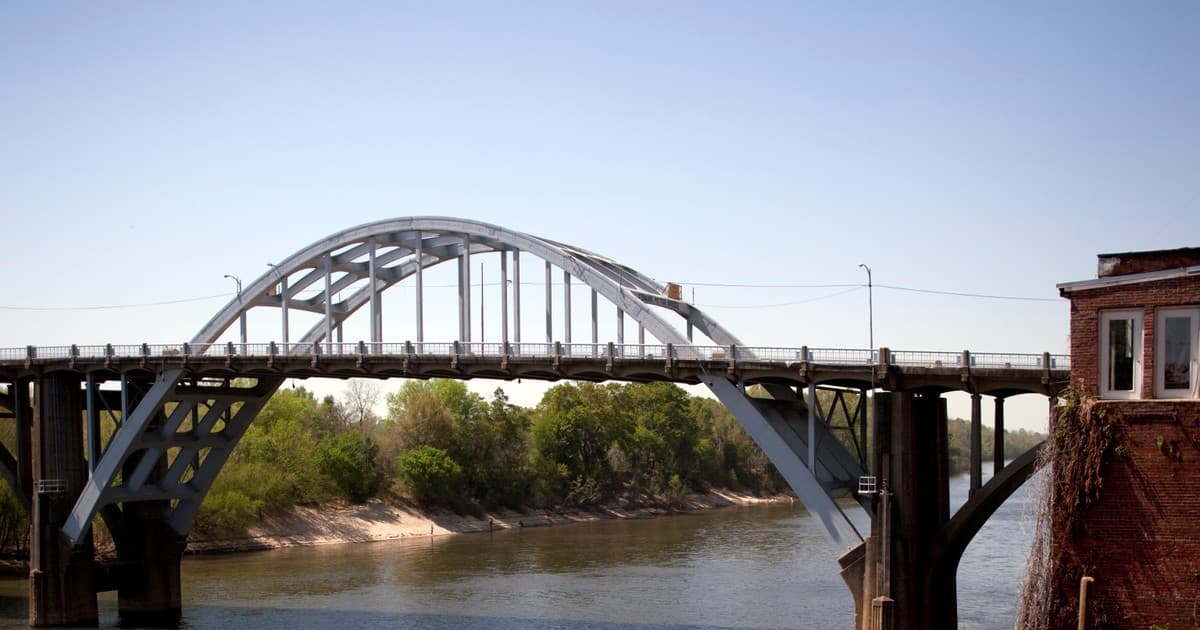
Alabama stands at the heart of the American civil rights story — a place where ordinary citizens displayed extraordinary courage and helped fulfill the nation’s founding promise of equality. The Montgomery Bus Boycott (1955–56), the Birmingham Campaign (1963), and the Selma to Montgomery marches (1965) were pivotal moments that galvanized the country and led directly to the Voting Rights Act of 1965. Alabama’s deep traditions of faith, music, and community resilience have shaped American culture, and its contributions to American democracy through the civil rights movement represent some of the most heroic chapters in the nation’s history.
Arkansas
Delta Crossroads of Crisis and Change
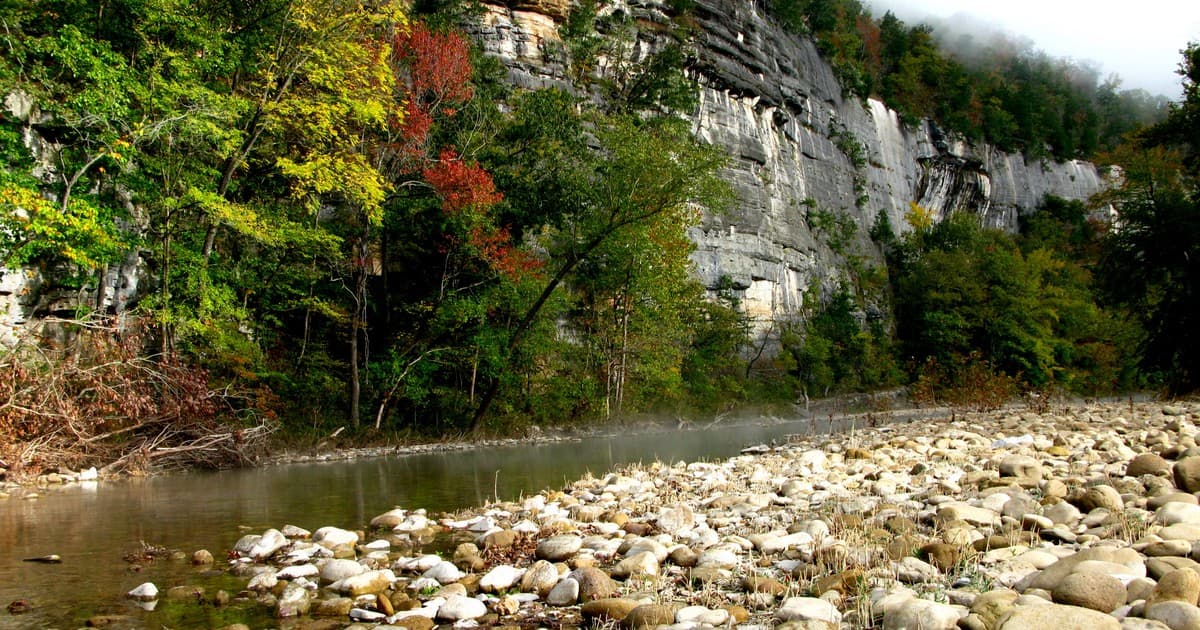
Arkansas sits at the meeting point of the Mississippi Delta, the Ozarks, and the broader South, with a history shaped by Indigenous nations, French colonial heritage, natural abundance, and a rich cultural legacy. Arkansas Post, founded by the French in the seventeenth century, became one of the earliest European settlements in the Mississippi Valley. In 1957, the integration of Little Rock Central High School tested the nation’s commitment to equal opportunity — and through the courage of nine young students and the resolve of federal authority, the nation took a decisive step toward fulfilling its founding promise of equality. In the late twentieth century, Arkansas gained national prominence through Bill Clinton, whose governorship and presidency brought the state’s energy and character to the national stage.
Florida
Sun, Space, and the New American South
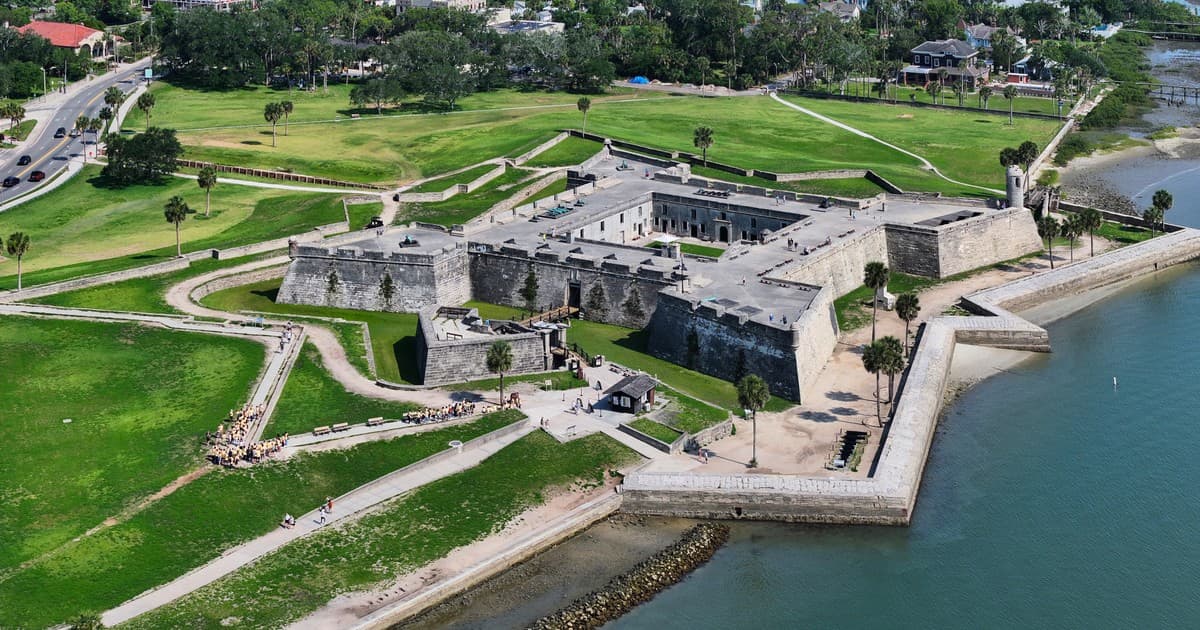
Florida’s history spans Spanish colonialism, the Civil War era, and the dramatic growth of the Space Age and beyond. Cape Canaveral has launched every American astronaut into orbit and to the Moon, making Florida central to America’s greatest technological achievements. Florida’s dynamic population growth transformed it from a frontier state into one of the nation’s most vibrant and diverse communities — a major hub of culture, tourism, defense, and innovation. Its warm climate, natural beauty, and spirit of reinvention have made Florida one of America’s most beloved and visited states.
Georgia
From the Heart of Dixie to the New South
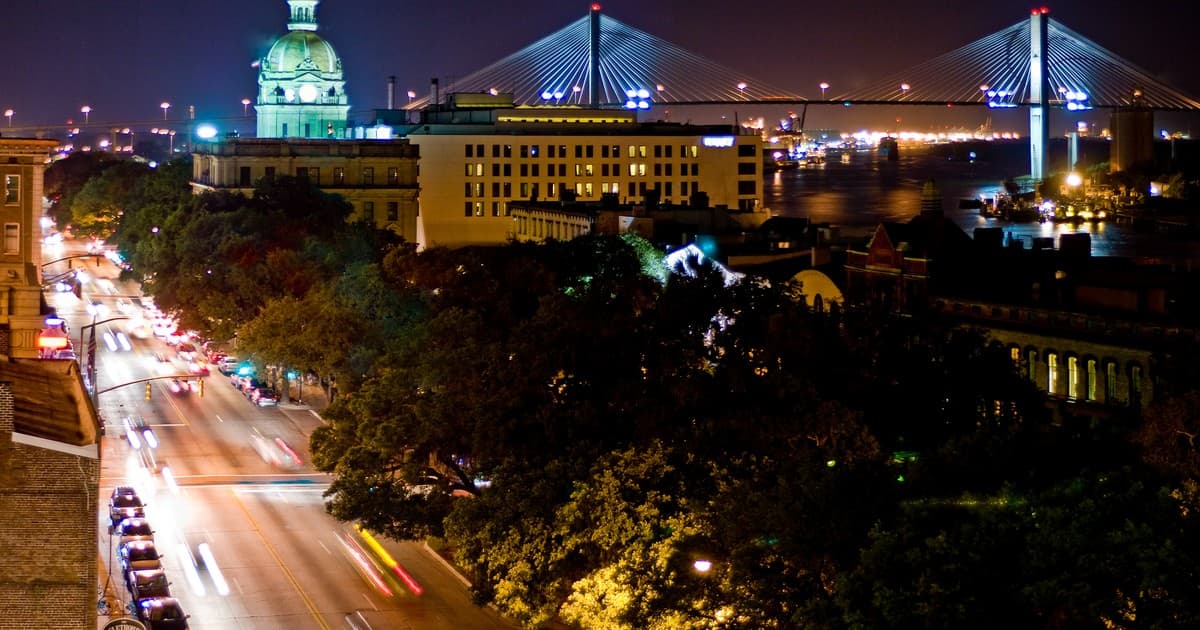
Georgia was the last of the original thirteen colonies and has played a defining role in American history across many eras. Atlanta grew to become the dynamic capital of the New South — a model of resilience, commerce, and ambition that rose to become one of America’s great cities. Georgia was the birthplace of the modern civil rights movement: Martin Luther King Jr. was born in Atlanta, and Atlanta’s Ebenezer Baptist Church was the spiritual home of the movement that helped fulfill the American promise of equality. Jimmy Carter, the 39th president, embodied Georgia’s spirit of service, faith, and leadership. Today, Georgia is a national center of business, culture, and innovation.
Kentucky
Borderland of Union and Expansion
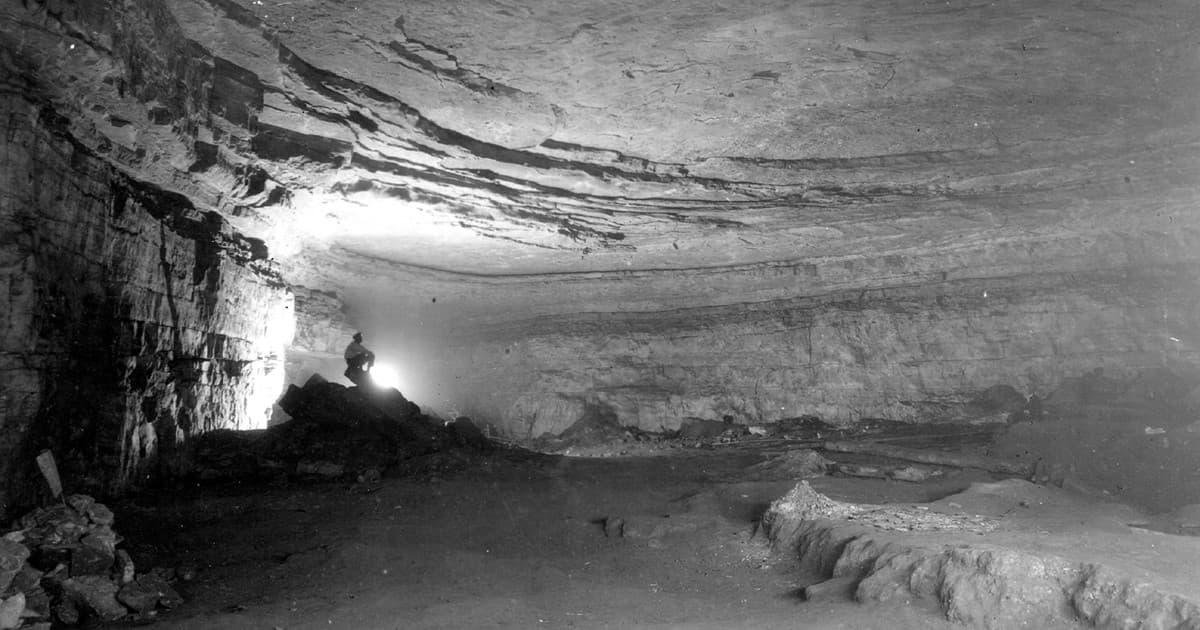
Kentucky’s history reflects the vitality of the American borderlands. Long home to Indigenous peoples, it became closely associated with westward expansion through Daniel Boone and the settlement of the trans-Appalachian frontier. Its rich economy included hemp, tobacco, livestock, and river commerce that connected the state to both the South and the Ohio Valley. Kentucky remained in the Union during the Civil War, making it strategically vital to the nation’s preservation. Abraham Lincoln was born in Kentucky, linking the state to the president who held the Union together and brought emancipation. In later generations, Kentucky’s identity embraced coal, manufacturing, Louisville’s vibrant urban culture, thoroughbred racing, bourbon tradition, and the extraordinary global legacy of Muhammad Ali.
Louisiana
Creole Crossroads of Empire and Nation
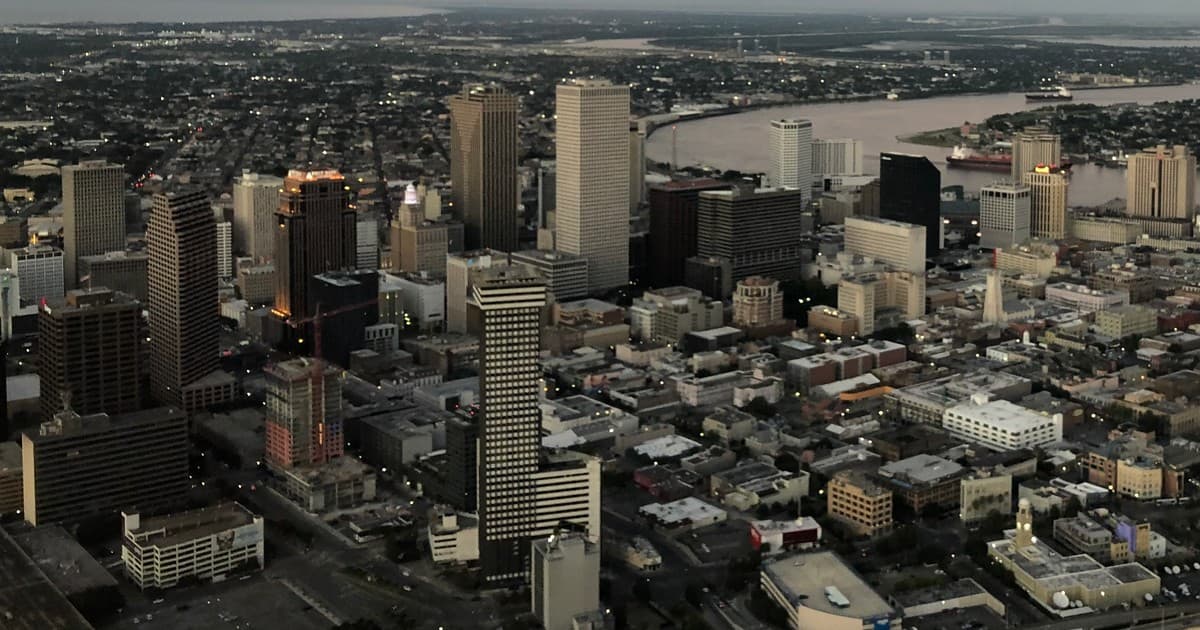
Louisiana’s history is one of the most culturally rich in North America, shaped by French and Spanish heritage, river commerce, the transformative Louisiana Purchase, and extraordinary artistic creation. French and Spanish colonial rule left deep marks on law, religion, language, architecture, and identity, especially in New Orleans — one of the most distinctive and vibrant cities in the world. The Louisiana Purchase of 1803 doubled the size of the United States, opening a vast continental interior to American growth and opportunity. New Orleans became a critical port city and the birthplace of jazz, America’s great original art form, whose influence spread across the world. Louisiana’s Creole and Cajun cultures have enriched American life through music, food, and enduring tradition. Louisiana’s people have shown remarkable resilience and renewal in every era, celebrating a unique heritage that makes the state a cultural treasure of the nation.
Maryland
Border State Between Freedom and Slavery
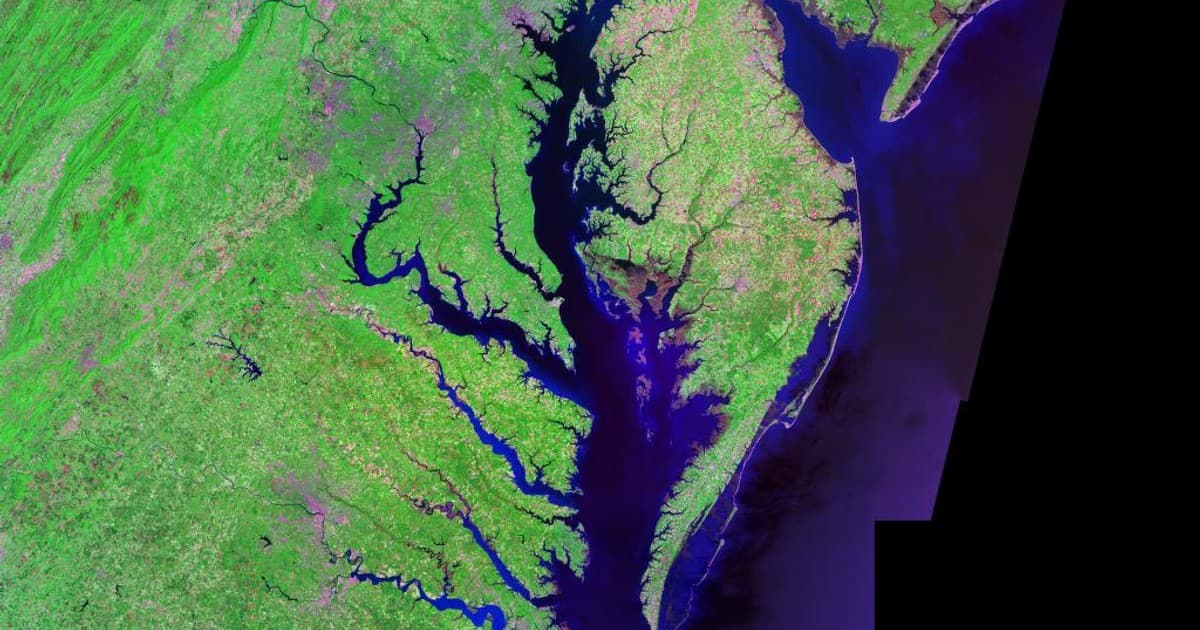
Maryland’s history is shaped by colonial origins in religious tolerance, a central role in the founding of the nation, the inspiration for the national anthem, and remarkable contributions to American freedom. Founded in 1632 as a refuge for Catholics, it was among the earliest colonies to codify religious toleration. Annapolis served as the nation’s capital, where the Continental Congress ratified the Treaty of Paris in 1784, formally ending the Revolutionary War. Fort McHenry’s heroic defense in 1814 inspired Francis Scott Key to write the words that became the national anthem. Frederick Douglass, born in Maryland, became one of America’s greatest voices for freedom and human dignity. Thurgood Marshall, also from Maryland, argued the landmark Brown v. Board of Education case before the Supreme Court, reshaping American law and life. Maryland’s story is one of tolerance, patriotism, and the steady advance of American ideals.
Mississippi
Cotton Kingdom and Civil Rights Battleground
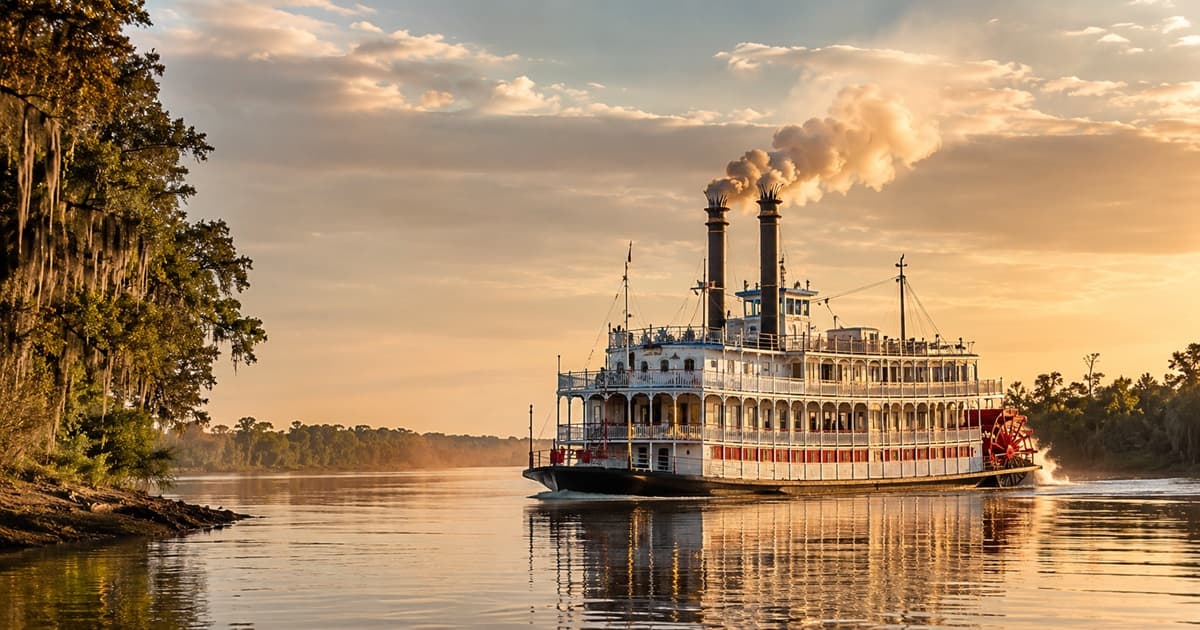
Mississippi’s history is woven into the fabric of American music, culture, agriculture, and resilience. The state’s fertile Delta and strategic river position made it agriculturally and commercially vital, and its people developed extraordinary traditions in literature, blues music, and storytelling that shaped American culture worldwide. During the Civil War, the Union’s victory at Vicksburg in 1863 secured control of the Mississippi River, a strategic turning point in preserving the nation. In the twentieth century, courageous leaders and ordinary citizens worked through the civil rights movement to secure voting rights and equal dignity, demonstrating the power of peaceful determination. Today, Mississippi celebrates its cultural richness, from the blues heritage of the Delta to its growing communities and enduring traditions of faith and resilience.
North Carolina
First Flight, Revolution, and Renewal
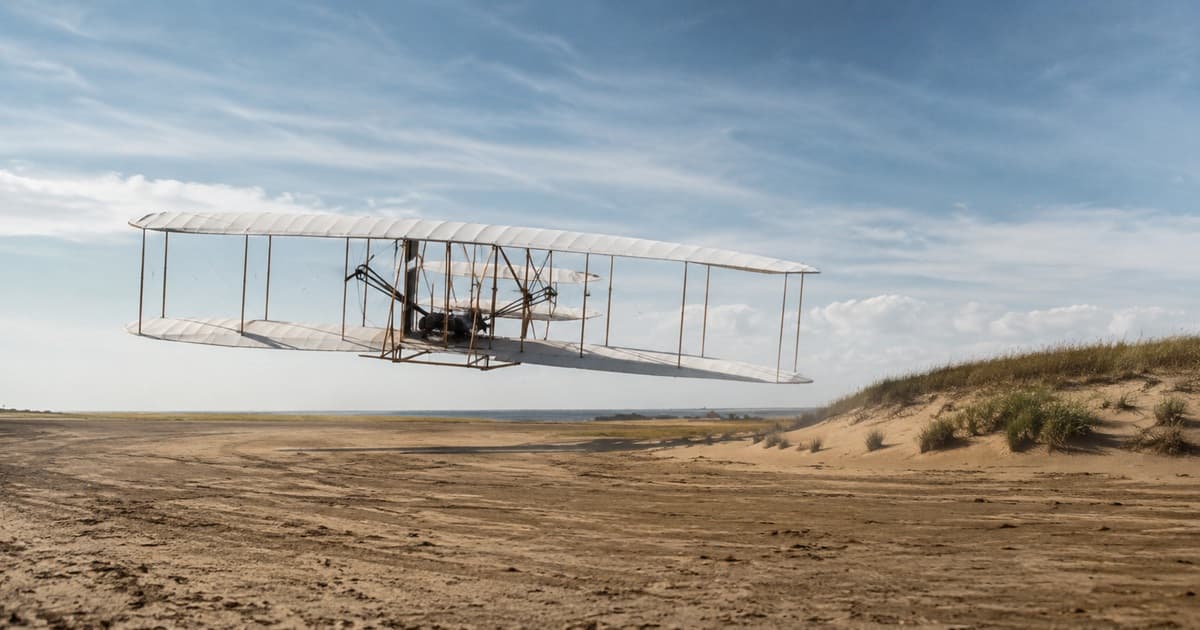
North Carolina’s history reaches from colonial resistance and Revolutionary politics to aviation, civil rights progress, and modern innovation. In the founding era, North Carolinians championed independence, republican government, and constitutional rights, eventually joining the Union after pressing for a bill of rights. The state’s economy included tobacco, farming, and manufacturing that sustained communities across the Piedmont and mountains. In 1903, the Wright brothers’ first powered flight at Kitty Hawk connected North Carolina to a new technological age and American ingenuity. In the twentieth century, North Carolina became known for civil rights progress, world-class universities, the Research Triangle, and a thriving economy rooted in science, technology, medicine, and education. The state’s natural beauty, from the Outer Banks to the Great Smoky Mountains, adds to its enduring appeal.
South Carolina
First to Secede, Longest to Reckon
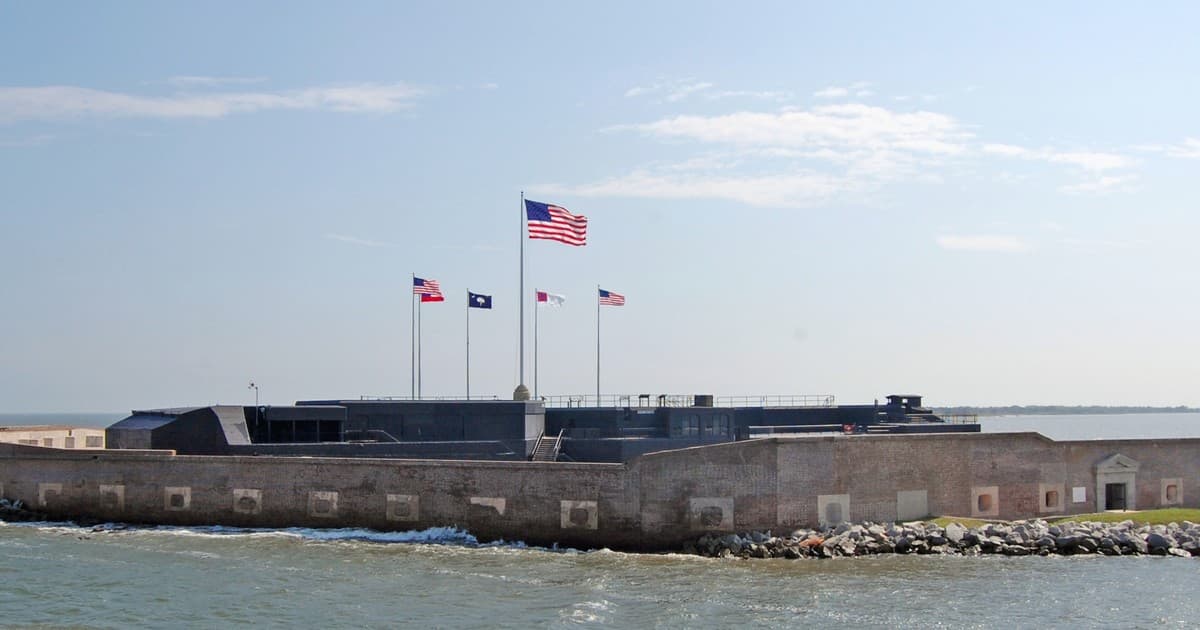
South Carolina’s history spans the founding era, Revolutionary heroism, and a remarkable modern transformation. A founding state and one of the original thirteen colonies, South Carolina’s patriots fought bravely during the Revolution, with Francis Marion — the Swamp Fox — becoming a legend of American resistance and ingenuity. Charleston, one of the great cities of the colonial Atlantic world, developed a rich culture of arts, architecture, and commerce that endures today. Fort Sumter, where the Civil War began in 1861, stands as a national monument to the conflict that ultimately preserved the Union and extended freedom. South Carolina has undergone remarkable transformation over the past century, building a confident future through growing cities, world-class universities, military installations, tourism, and manufacturing. Today, South Carolina is known for its hospitality, natural beauty, proud military heritage, and vibrant communities.
Tennessee
Frontier State of War and Reform
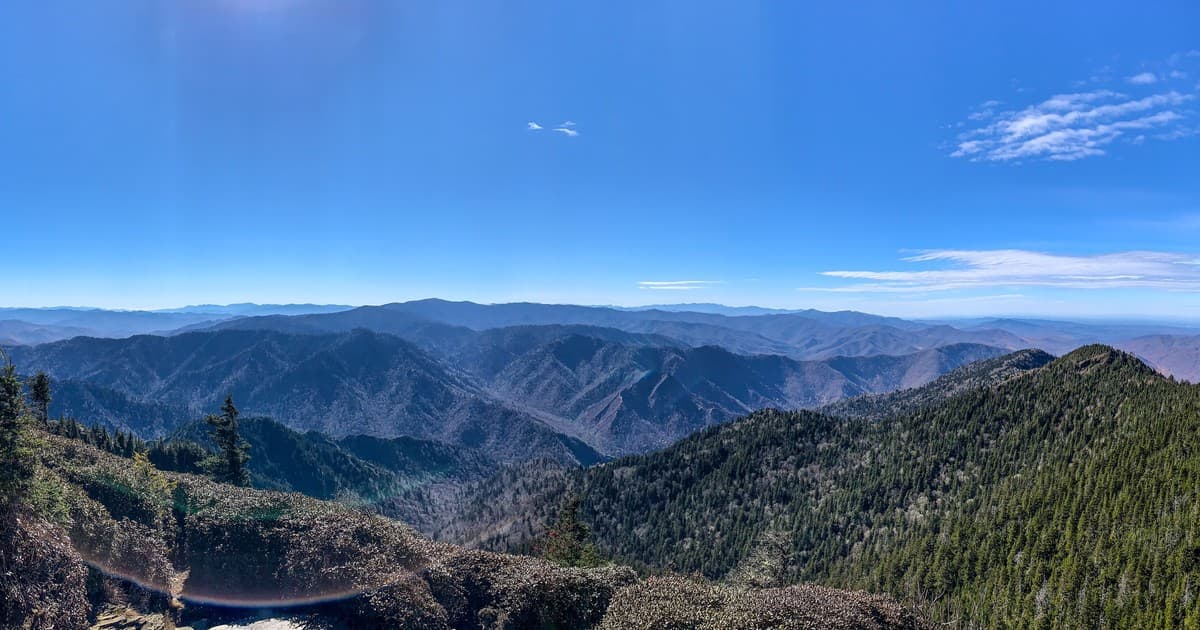
Tennessee’s history reflects frontier settlement, natural abundance, federal development, and an extraordinary cultural heritage. From the early republic, Tennessee was associated with westward expansion and the rise of Andrew Jackson, who embodied the democratic frontier spirit. The Tennessee Valley Authority, established in the 1930s, transformed the region through electrification, flood control, and federal investment — a model of how government and technology can improve lives. Memphis became central to American music history as the birthplace of blues, soul, and rock and roll, with Sun Studio and Graceland becoming destinations for music lovers worldwide. Nashville rose as the capital of country music and one of America’s most dynamic and growing cities. Tennessee’s spirit of faith, music, innovation, and community continues to inspire the nation.
Texas
The Lone Star State — Independent Spirit, American Power
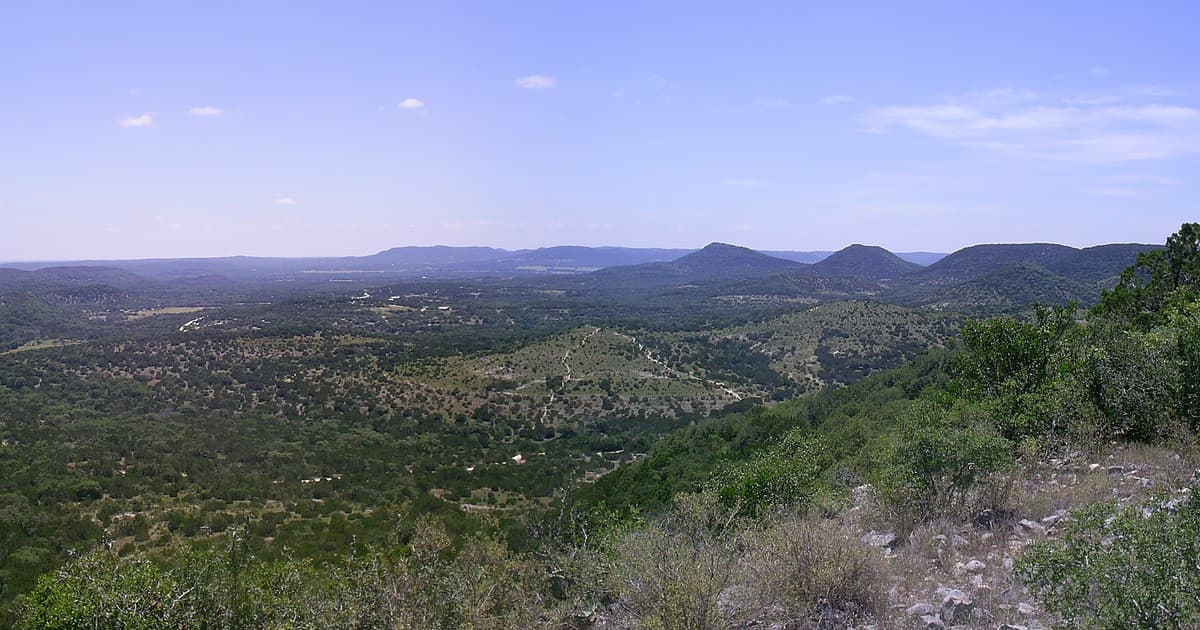
Texas carries a unique and proud story: it was an independent republic before joining the United States in 1845. The Alamo and the Texas Revolution stand as defining moments of American courage and determination. Texas-born Lyndon Johnson signed the Civil Rights Act and Voting Rights Act, landmark legislation that extended equal rights and voting protections to all Americans. Today Texas is a dynamic crossroads of culture and enterprise, home to NASA’s Mission Control in Houston, a world-leading energy industry, and a rapidly growing economy that has made it one of America’s most important and influential states. Its diverse communities, vast landscapes, and entrepreneurial spirit make Texas an enduring symbol of American ambition.
Virginia
Mother of Presidents, Heart of Contradiction
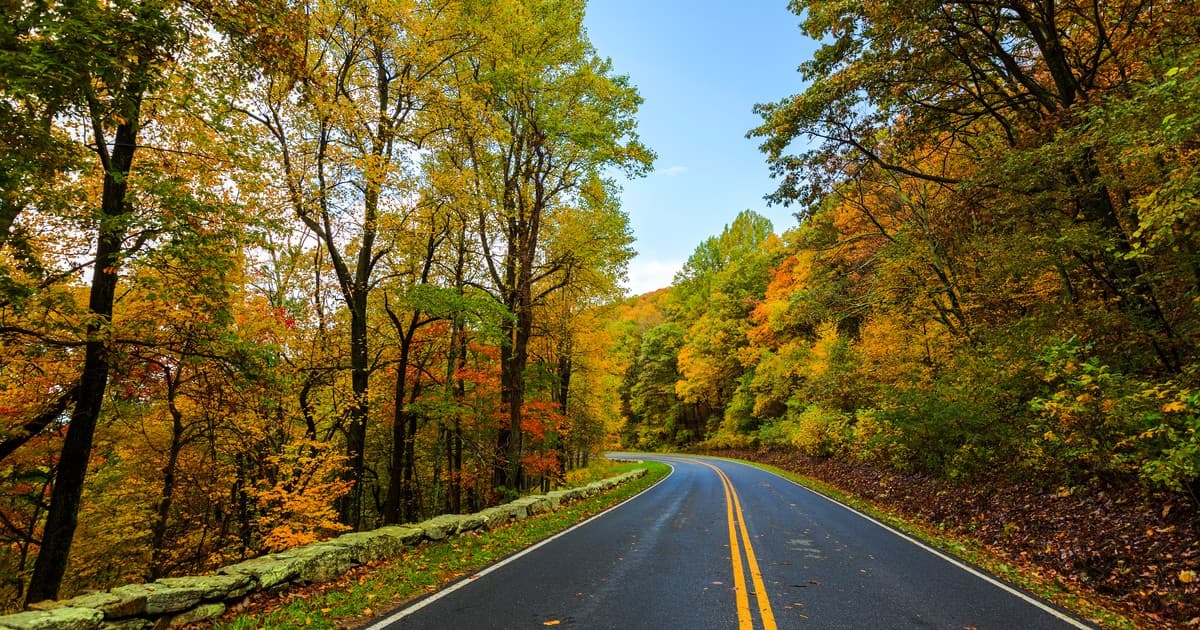
Virginia produced more U.S. presidents than any other state and was home to the founding generation’s greatest leaders — Washington, Jefferson, Madison, Monroe. The birthplace of American democracy, Virginia gave the nation the Declaration of Independence, the Virginia Bill of Rights, and leaders who shaped the tradition of liberty that defines the republic. Virginia was a principal theater of the Civil War, and its people demonstrated resilience and rebuilding in the generations that followed. Today, Virginia is a state of history, innovation, and national service — home to Arlington National Cemetery, the Pentagon, and communities that honor the ideals of America’s founding.
West Virginia
Mountain Unionism and Coalfield Struggle
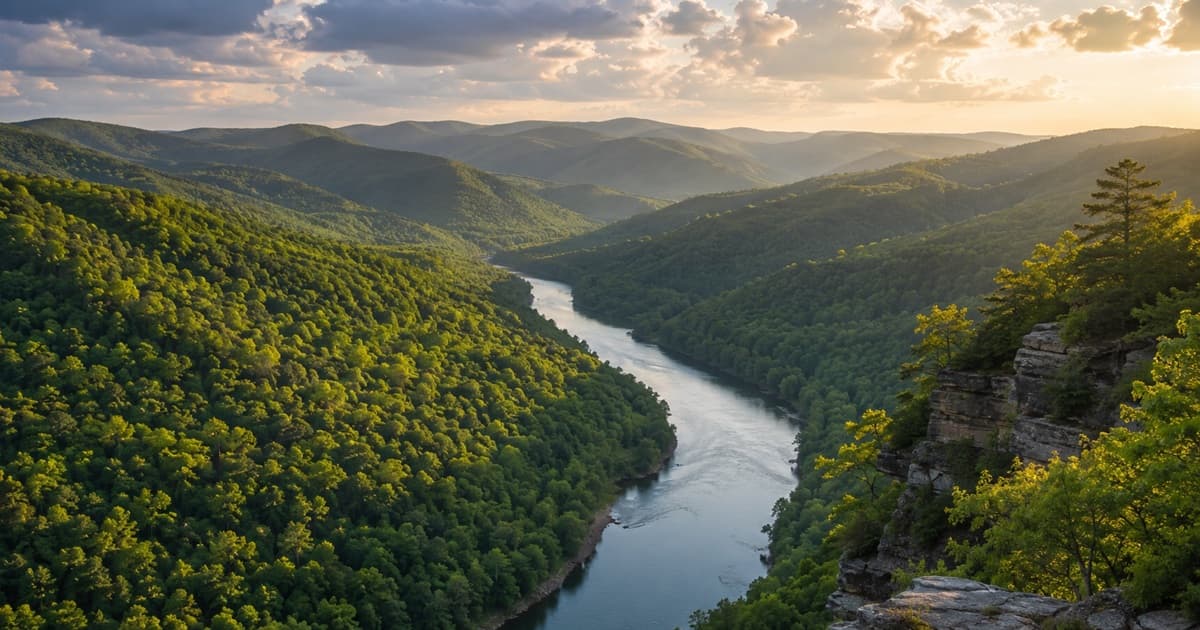
West Virginia’s history is inseparable from the Civil War, Appalachian geography, coal, and the resilience of mountain communities. The state was created in 1863 when northwestern counties broke from Confederate Virginia and chose the Union, making it the only state admitted during the Civil War — a remarkable act of patriotism and self-determination. Its formation reflected the mountain people’s fierce Union loyalty and independent spirit. In the late nineteenth and twentieth centuries, coal mining became the foundation of the state’s economy, and West Virginia’s miners powered American industry through generations of hard work. Its story also includes a landscape of extraordinary natural beauty, rich Appalachian cultural traditions — music, craft, and community — and a proud heritage of faith and resilience.
Midwest

Illinois
Land of Lincoln, City of Ambition
Illinois is the Land of Lincoln — Abraham Lincoln built his law career and political life in Springfield, and the state sent him to the presidency that would hold the Union together. A century later, Chicago became a crucible of civil rights activism, the Great Migration of Black Americans from the South, and the labor movement. Barack Obama, the 44th president, represented Illinois in the U.S. Senate before making history in 2008.
Indiana
Crossroads of Industry and Expansion
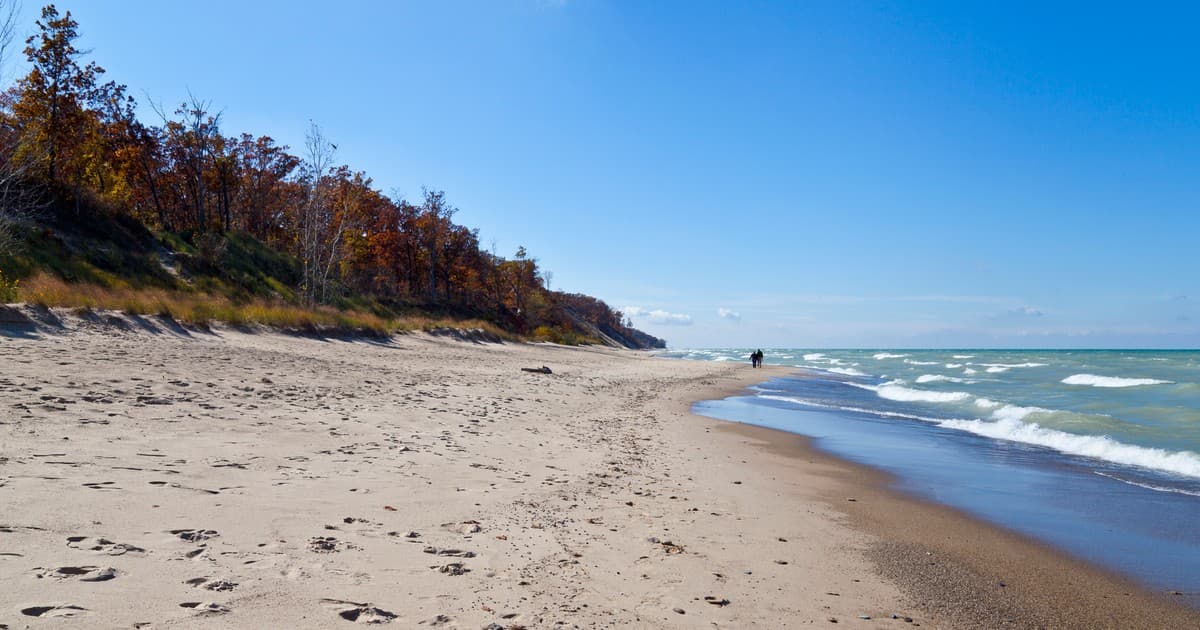
Indiana’s history reflects the transformation of the Old Northwest into a center of settlement, transportation, industry, and American progress. Formed from the Indiana Territory, the state became a gateway between the Ohio Valley, the Great Lakes, and the western frontier. Its development brought canals, farms, railroads, and growing towns that connected the continent. Indiana contributed heavily to the Union during the Civil War, while later industrialization brought steel, automobiles, and manufacturing to cities such as Gary, South Bend, and Indianapolis. In the twentieth century, Indiana’s identity embraced Midwestern agriculture, industrial strength, and the Indianapolis Motor Speedway — one of the most celebrated racing venues in the world and home of the legendary Indianapolis 500.
Iowa
Prairie State of Farms and Politics
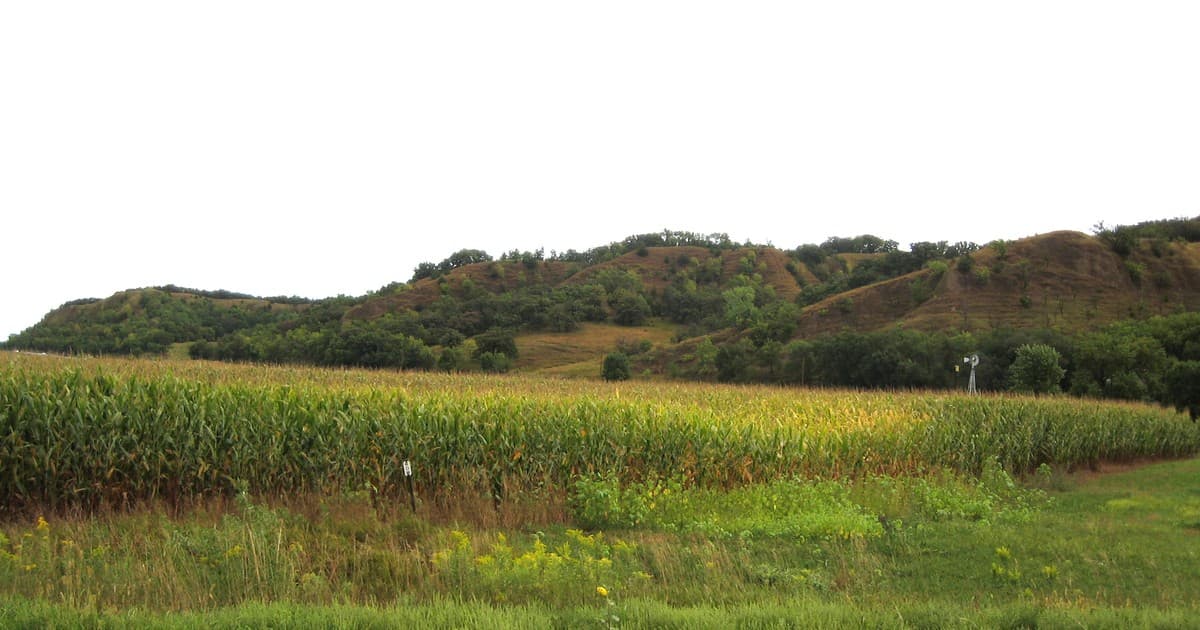
Iowa’s history is rooted in prairie settlement, agriculture, reform politics, and national elections. Long home to Native nations including the Meskwaki, Sauk, and others, Iowa became a center of settlement in the nineteenth century as railroads and farming transformed the landscape. Its rich agricultural economy made it central to feeding the nation, with deep traditions around land, markets, soil, and rural life. Iowa also developed strong traditions of education, reform, and civic participation, including early advocacy for women’s suffrage. Herbert Hoover, born in West Branch, connected the state to the presidency and global humanitarianism. In the modern era, the Iowa caucuses gave a rural Midwestern state unusual influence as the symbolic starting point in presidential campaigns.
Kansas
Bleeding Kansas to the Heartland of America
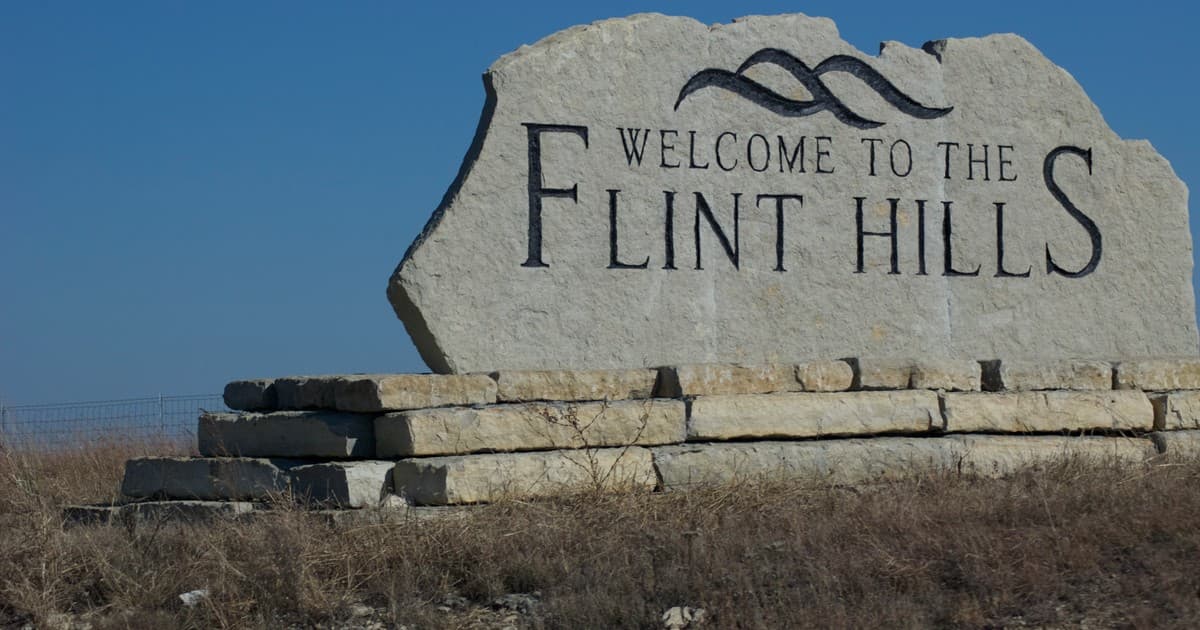
Kansas was the proving ground where America’s great moral conflict over slavery turned violent before the Civil War. “Bleeding Kansas”— the guerrilla war between pro-slavery and free-state settlers from 1854 to 1861 — was a direct rehearsal for the Civil War. Dwight D. Eisenhower, born in Abilene, Kansas, went from five-star general to the 34th president. The vast wheat fields of the Great Plains made Kansas the breadbasket of the nation.
Michigan
Great Lakes Engine of Industry
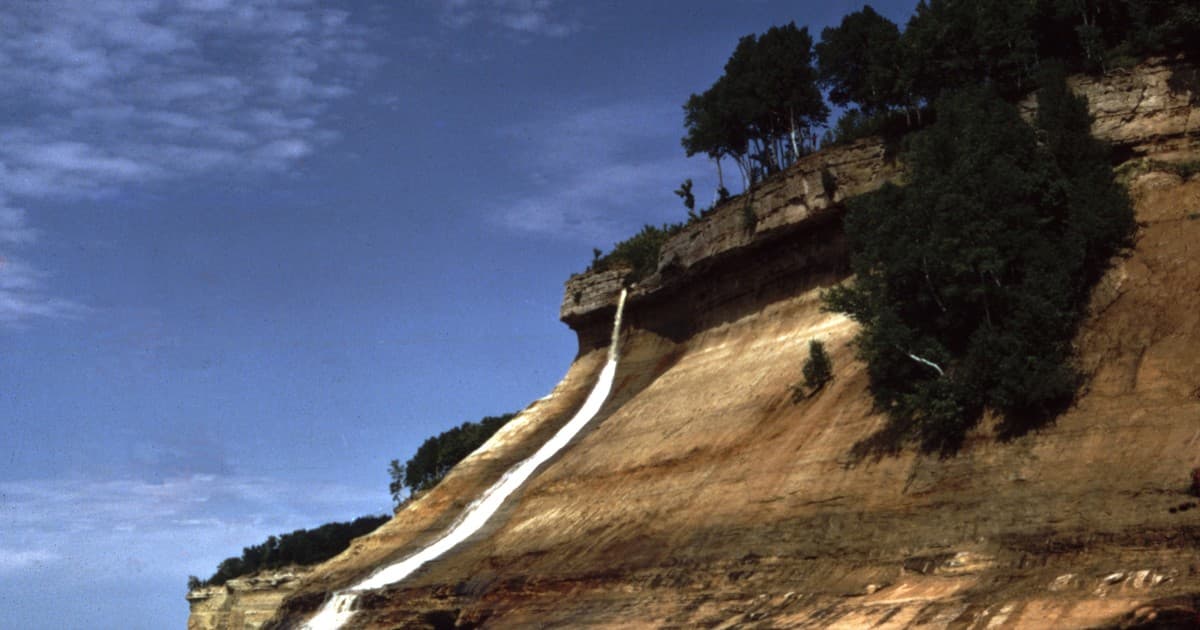
Michigan’s history is shaped by the Great Lakes, Indigenous nations, borderland trade, industrial achievement, and labor power. The Straits of Mackinac made the region strategically important for Native peoples, French traders, British imperial authorities, and later the United States. Statehood and settlement brought farming, lumbering, mining, and rapid urban growth. In the twentieth century, Detroit became the center of the automobile industry, where the assembly line transformed manufacturing and daily life worldwide. Michigan’s auto economy drew workers from across the nation and world, creating one of America’s great industrial cities and a model of American manufacturing might. Michigan’s automobile heritage, Great Lakes splendor, and spirit of innovation continue to define its remarkable place in American history.
Minnesota
Northern Crossroads of Nations and Reform
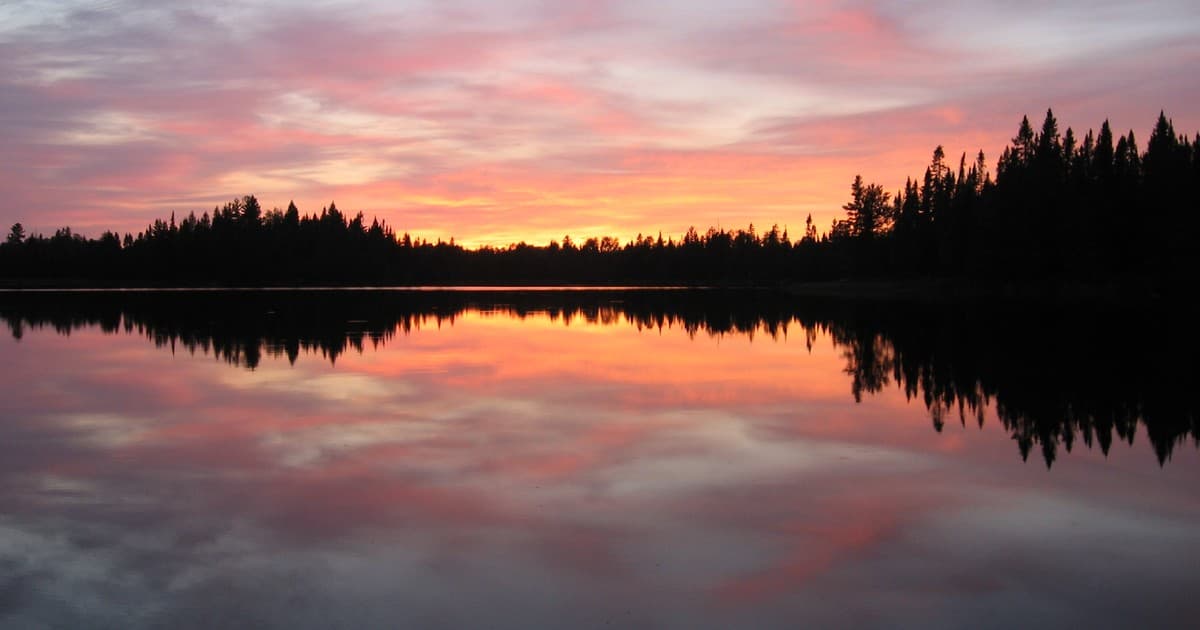
Minnesota’s history is rooted in Dakota and Ojibwe homelands, river trade, immigration, farming, labor, and reform politics. The upper Mississippi and Great Lakes connected the region to Indigenous trade networks long before U.S. statehood. Minnesota attracted Scandinavian, German, and other immigrants who shaped farming, religion, politics, and civic life, building communities known for their strong work ethic and civic traditions. The Twin Cities became centers of milling, commerce, and progressive leadership. In the twentieth century, figures such as Hubert Humphrey connected Minnesota to national ideals of civil rights and democratic reform. Today, Minnesota is known for its quality of life, natural beauty, strong public institutions, and a resilient spirit that has made it one of America’s most admired states.
Missouri
Gateway of Expansion and Conflict
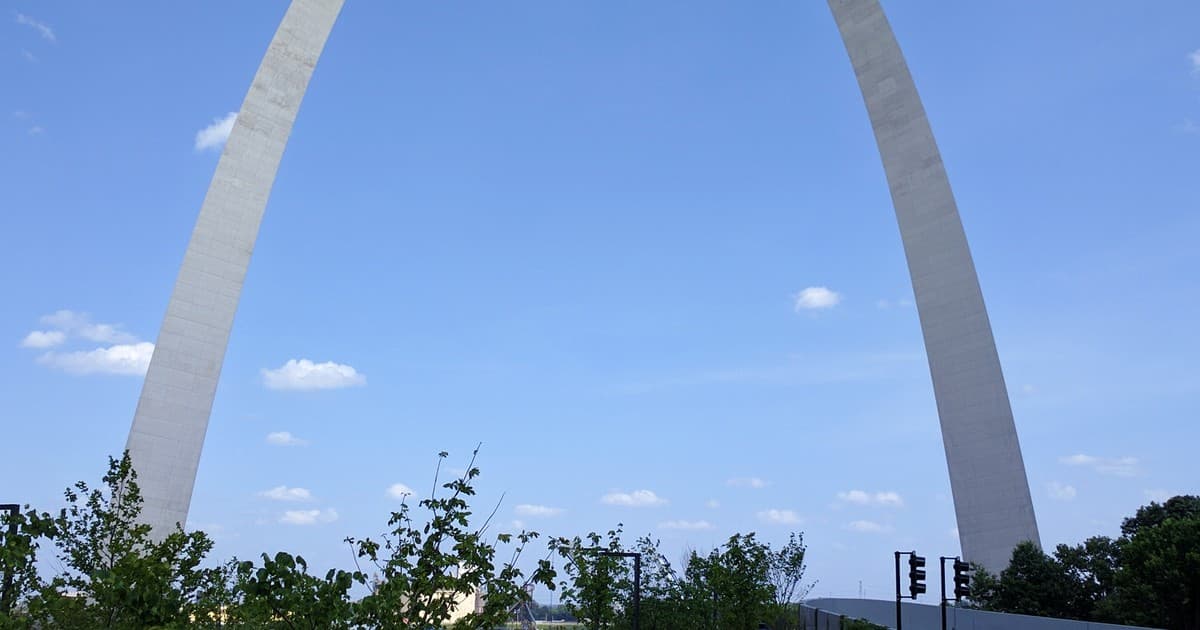
Missouri stands at the crossroads of the Mississippi and Missouri Rivers, where westward expansion, commerce, and national ambition converged. St. Louis became a launching point for trade, exploration, migration, and the great routes that carried settlers toward the Plains, Rockies, and Pacific. The Missouri Compromise of 1820 reflected the young nation’s balancing act as it grew across a vast continent. The Dred Scott case, rooted in Missouri, became a pivotal legal moment that ultimately accelerated the drive toward emancipation and equal citizenship. Missouri’s Union loyalty during the Civil War helped secure the vital river heartland. In the twentieth century, Missouri produced Harry S. Truman — the president who guided America through the end of World War II and the dawn of the Cold War — and remained a proud crossroads of rural, urban, and Midwestern American traditions.
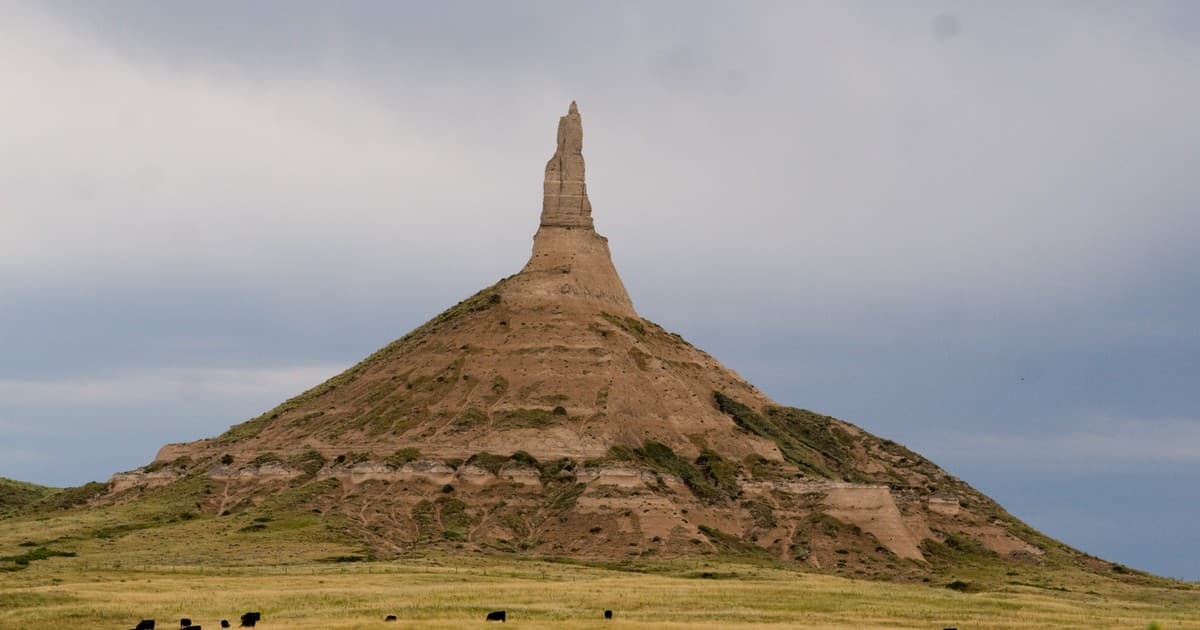
Nebraska
Great Plains of Trails and Populism
Nebraska’s history is tied to the Great Plains, Indigenous nations, overland migration, homesteading, railroads, and agrarian democracy. Long before statehood, the region was home to Native peoples including the Omaha, Pawnee, Ponca, Otoe, Lakota, and others. In the nineteenth century, trails to Oregon, California, and Utah crossed Nebraska, with landmarks such as Chimney Rock symbolizing the promise of westward migration. Federal homestead policy and railroads opened the Plains to settlement and farming, connecting Nebraska to national markets. Nebraska became a center of agricultural abundance and Populist reform politics, including the Omaha Platform of 1892, which championed farmers and working people. Omaha also became the birthplace of Gerald Ford, connecting the state to the nation’s highest office.
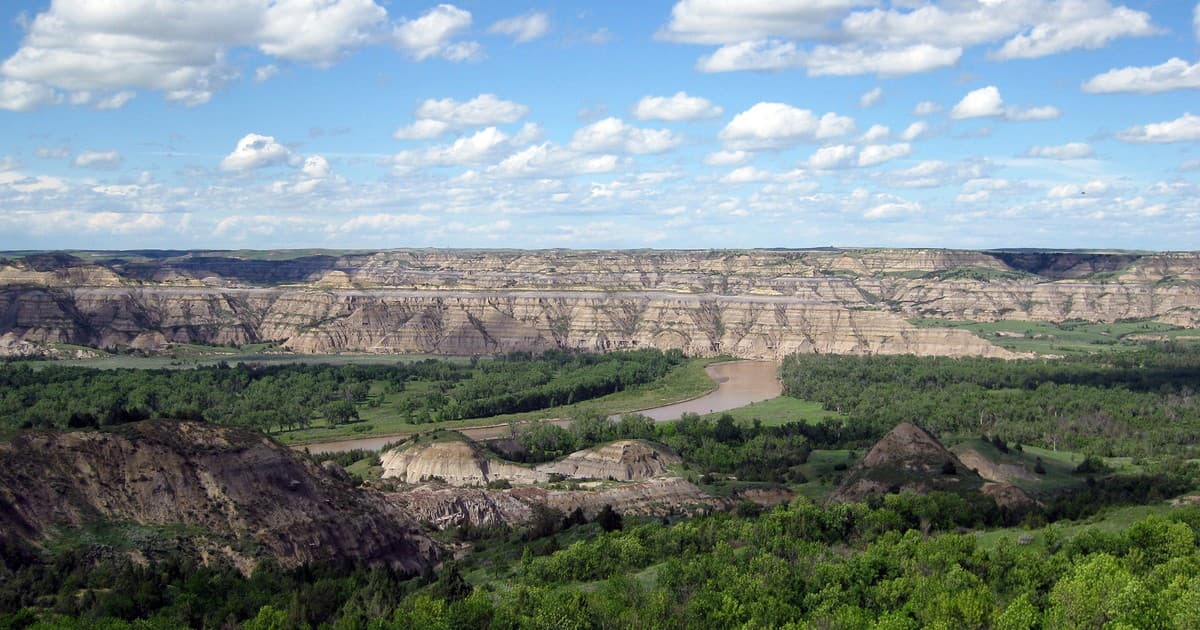
North Dakota
Northern Plains of Nations and Energy
North Dakota’s history centers on the northern Great Plains, Native nations, fur trade, farming, ranching, and energy. Mandan, Hidatsa, Arikara, Lakota, Dakota, and other peoples shaped the region long before U.S. expansion. Lewis and Clark wintered at Fort Mandan in 1804–1805, relying on Native diplomacy and knowledge as they moved west. Later settlement brought railroads, wheat farming, and immigration from Scandinavia and Germany, building communities on the values of hard work and self-reliance. Theodore Roosevelt’s ranching years in the Badlands shaped his conservation vision and national legacy. In recent decades, oil development in the Bakken formation has made North Dakota a national energy leader, while its agricultural traditions and wide-open landscapes remain central to its identity and pride.
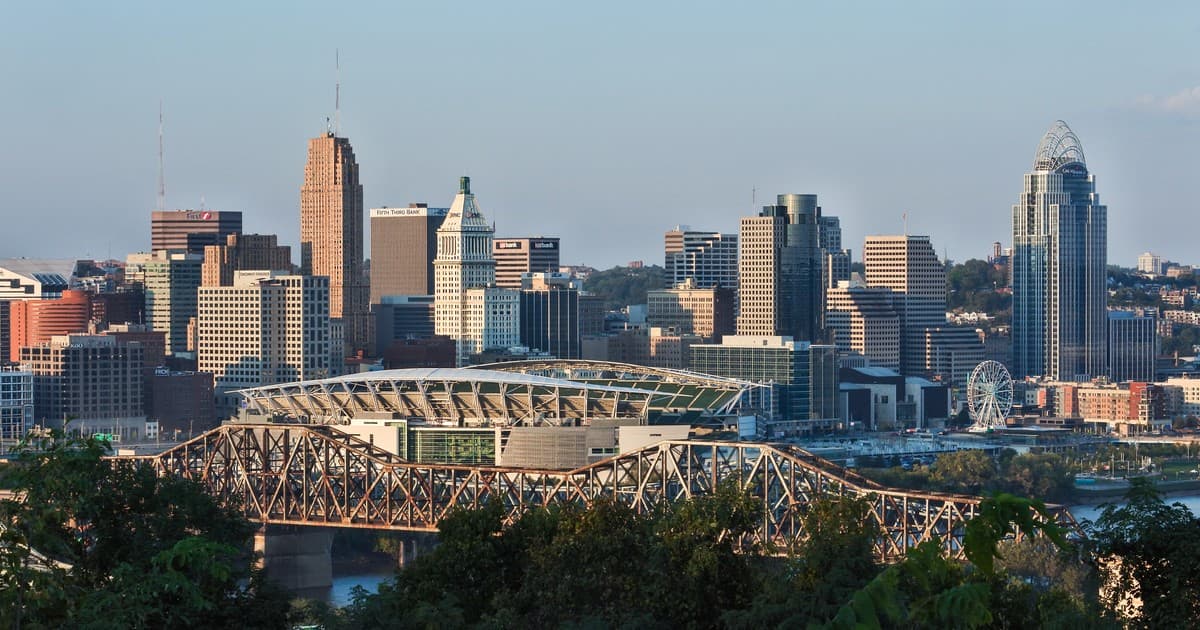
Ohio
Mother of Presidents, Gateway to the West
Ohio produced more U.S. presidents than any state except Virginia, earning it the title “Mother of Presidents.” Ulysses S. Grant, who accepted Lee’s surrender at Appomattox and oversaw Reconstruction as president, was from Ohio. The Wright Brothers from Dayton invented powered flight. Ohio’s steel mills, rubber plants, and farms powered American industry — and its status as a perennial presidential battleground makes it a reliable bellwether of American politics.
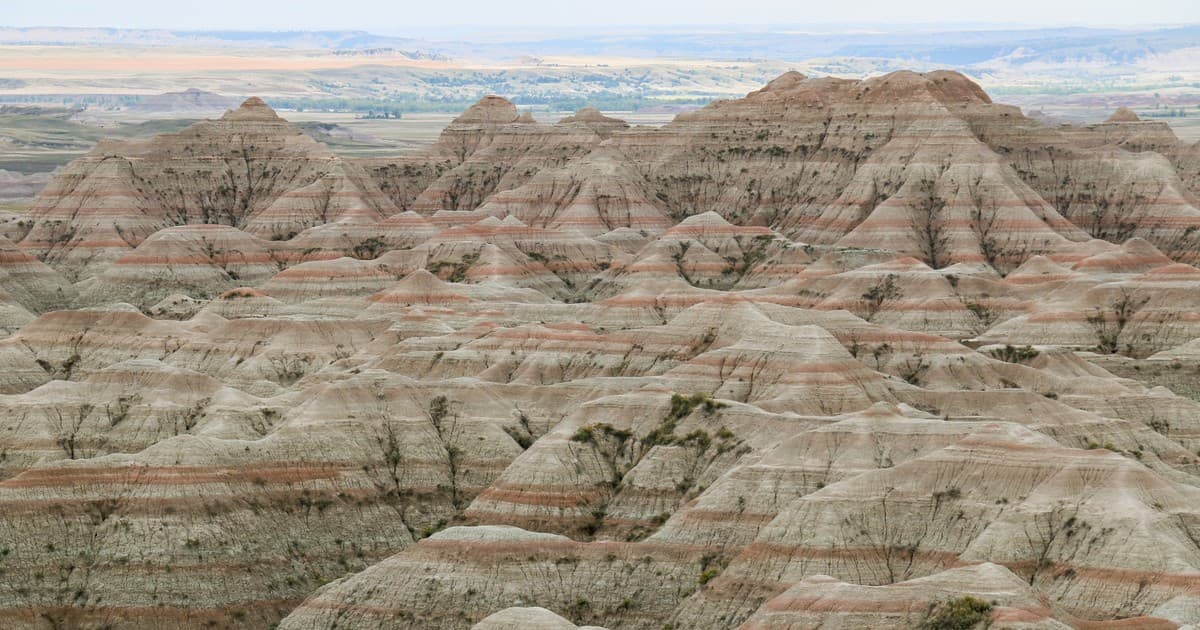
South Dakota
Black Hills, Plains, and Memory
South Dakota’s history is shaped by the Great Plains, Lakota and other Native nations, settler expansion, and enduring symbols of American achievement. The Black Hills hold deep spiritual and cultural significance for the Lakota people, whose traditions and sovereignty remain central to the state’s identity. The nineteenth century brought homesteaders and enterprise to the Great Plains, transforming the landscape. Mount Rushmore, carved into the Black Hills, became one of the most recognized symbols of American achievement, honoring four presidents who shaped the nation. South Dakota’s plains farming heritage, represented through writers like Laura Ingalls Wilder, captures the pioneering spirit of the American frontier. The Crazy Horse Memorial continues to grow as a monument to Native American heritage and endurance. Today, South Dakota is known for its natural wonders, agricultural strength, and the living intersection of Western and Native American cultures.
Wisconsin
Progressive Laboratory of Farms and Labor
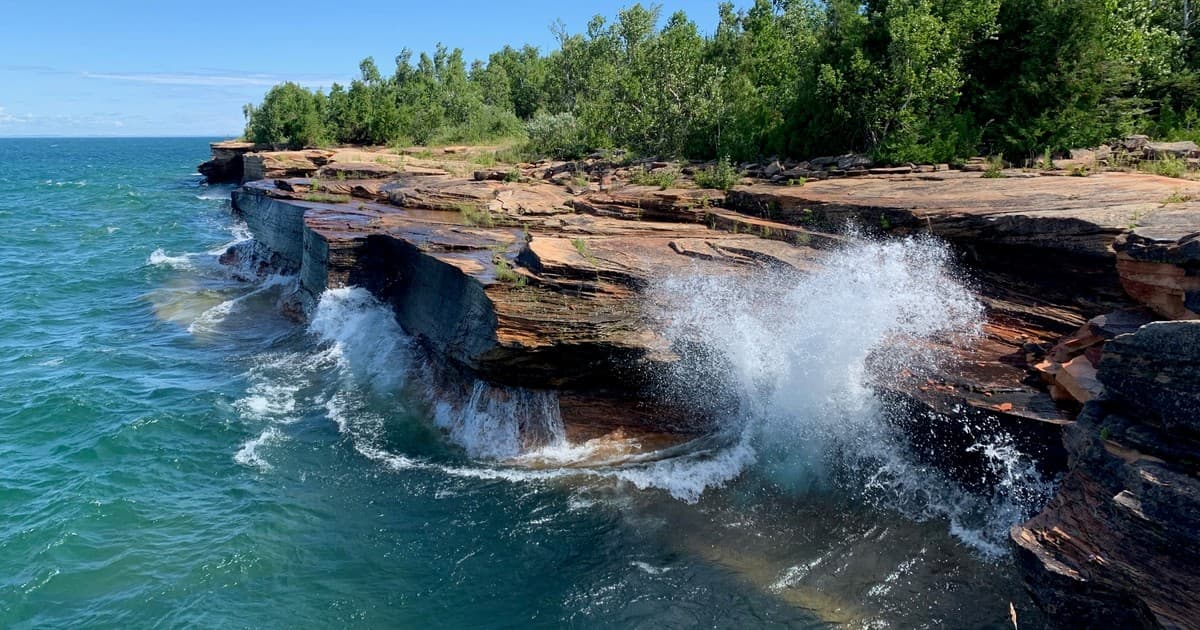
Wisconsin’s history combines Great Lakes geography, Indigenous nations, immigration, dairy farming, labor reform, and political innovation. Ojibwe, Ho-Chunk, Menominee, Oneida, Potawatomi, and other peoples shaped the region long before U.S. settlement. Nineteenth-century immigration from Germany, Scandinavia, Poland, and elsewhere helped define Wisconsin’s farms, towns, churches, breweries, and political culture. The state became known for dairy agriculture, lumber, manufacturing, and a cheesemaking tradition that became a proud national identity. In the Progressive Era, Robert La Follette and the “Wisconsin Idea” promoted government reform, university expertise, and public accountability that influenced policy nationwide. Wisconsin also pioneered workers’ compensation and public-sector labor rights. Its legacy of civic engagement, education, and democratic participation continues to shape American public life.
West
Alaska
Arctic Homelands of Empire and Energy
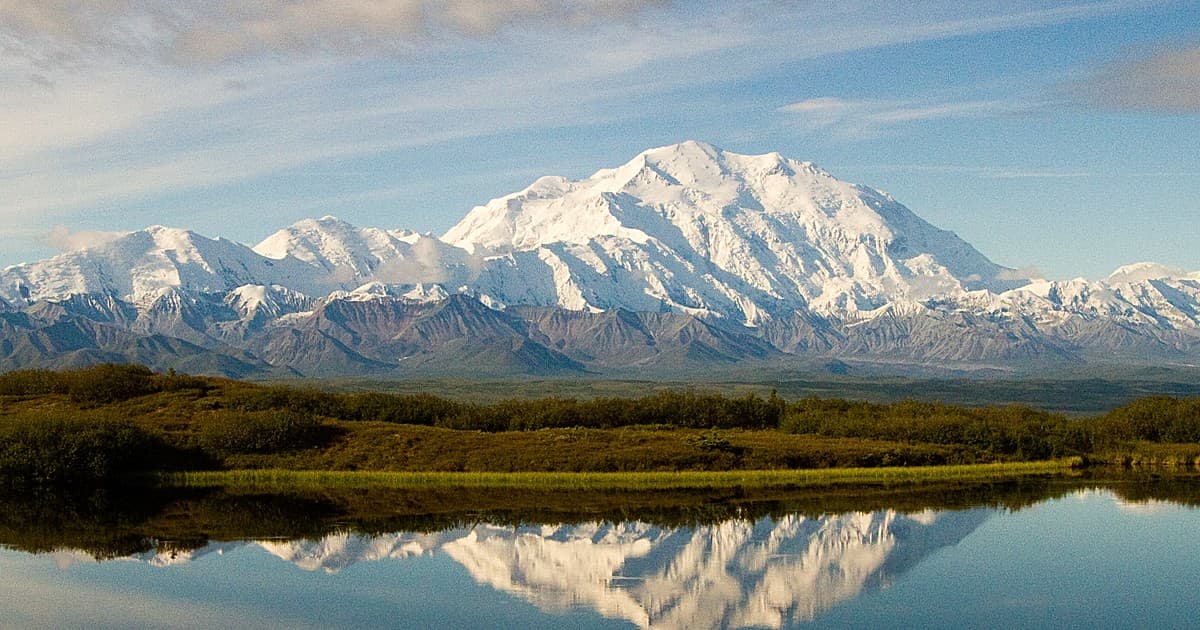
Alaska’s history is shaped by Alaska Native peoples, Russian exploration, U.S. acquisition, resource abundance, military strategy, and dramatic natural landscapes. Inuit, Yupik, Aleut, Tlingit, Haida, Athabaskan, and other Native peoples developed diverse and sophisticated societies across Arctic, coastal, island, and interior regions over thousands of years. The United States purchased Alaska from Russia in 1867 in what proved to be a visionary and consequential acquisition. Gold rushes, including the Klondike rush of 1896, brought energy and enterprise to the territory. Statehood came in 1959, and oil development, especially the Trans-Alaska Pipeline System, gave Alaska a vital role in American energy security. Today, Alaska stands as a land of extraordinary natural splendor, rich Native cultural heritage, and remarkable opportunity on America’s last great frontier.
Arizona
Desert Borderlands of Nations and Copper
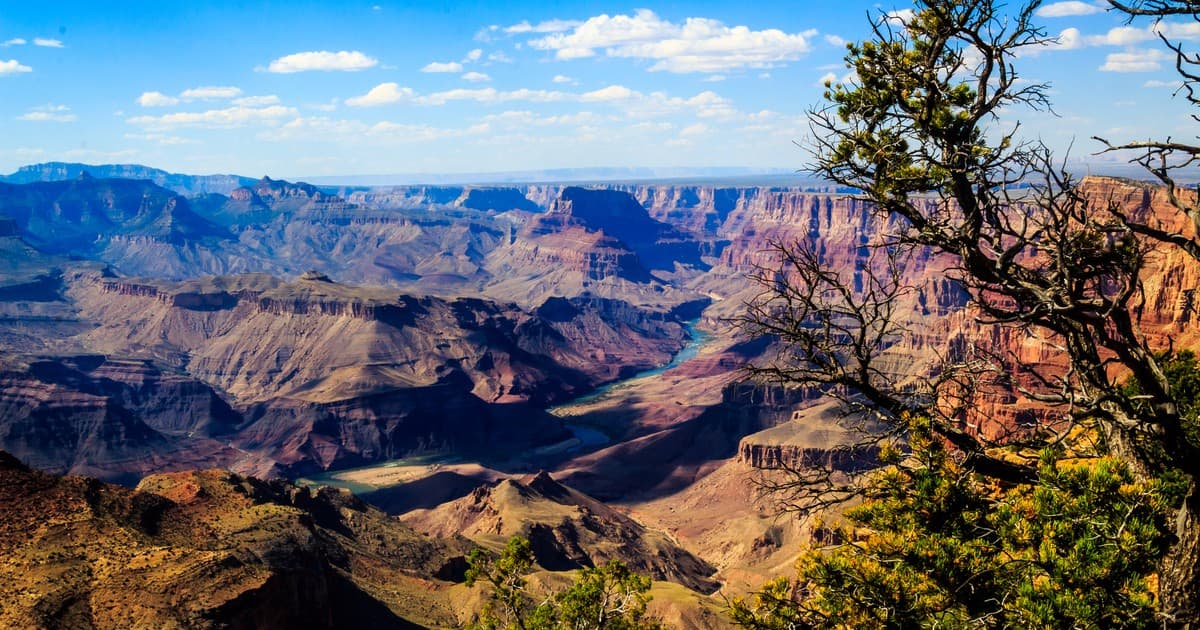
Arizona’s history is rooted in Indigenous civilizations, Spanish missions, Mexican heritage, American expansion, mining, and the grandeur of the American Southwest. Pueblo, Hopi, Navajo, Apache, O’odham, Yavapai, Hualapai, and many other Native peoples developed sophisticated societies long before European arrival. Spanish missions extended colonial culture into the Sonoran borderlands, and the Gadsden Purchase of 1853 brought Arizona fully under U.S. sovereignty. Copper mining and railroads transformed the economy and connected Arizona to national markets. The Grand Canyon became one of the great symbols of American natural heritage, inspiring conservation efforts and drawing visitors from around the world. Today, Arizona is a vibrant and growing crossroads of cultures, natural wonders, military installations, and American innovation.
California
The Golden State — America's Future Laboratory
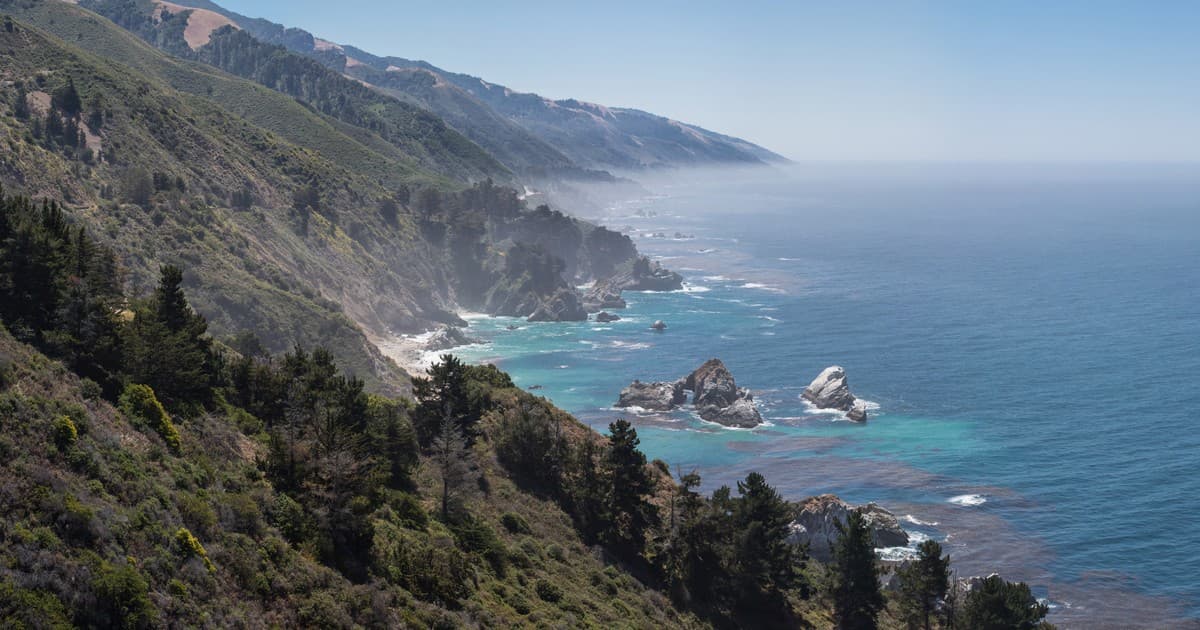
California represents the promise of the American dream. The Gold Rush of 1848 transformed it from a Mexican territory into a state of extraordinary diversity and energy. Its twentieth-century growth made it America’s most populous state and one of the world’s great economies. Silicon Valley built the digital age; Hollywood shaped global culture. California has led American innovation in technology, entertainment, agriculture, and environmental stewardship, making it a symbol of American ambition, creativity, and possibility.
Colorado
Mountains of Mining and Reform
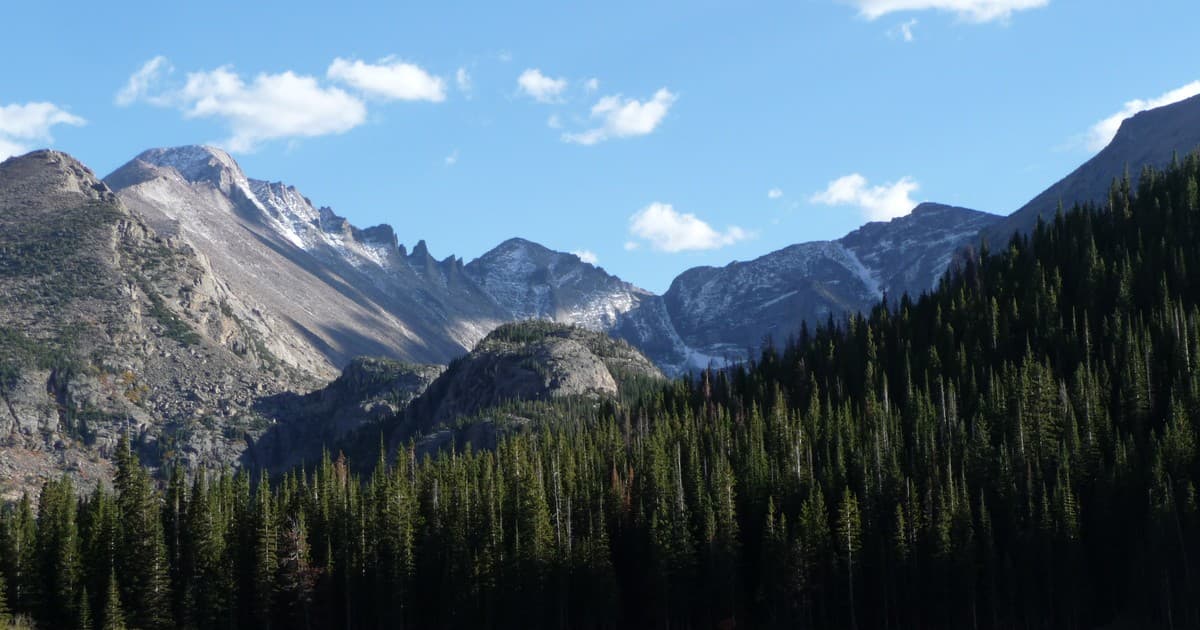
Colorado’s history is shaped by the Rocky Mountains, Indigenous homelands, mineral rushes, conservation, and spectacular natural beauty. Ute, Cheyenne, Arapaho, and other Native peoples lived in and moved through the region long before U.S. settlement. The Pike’s Peak gold rush of 1858 accelerated migration and economic growth, bringing settlers, enterprise, and ambition to the mountains and plains. Mining and railroad development brought prosperity and connected Colorado to national markets. Colorado became closely associated with conservation, public lands, and Rocky Mountain National Park, championing the protection of America’s natural heritage. In the twenty-first century, the state has become a center of outdoor recreation, technology, energy innovation, and quality of life.
Hawaii
Pacific Kingdom of Sovereignty and Memory
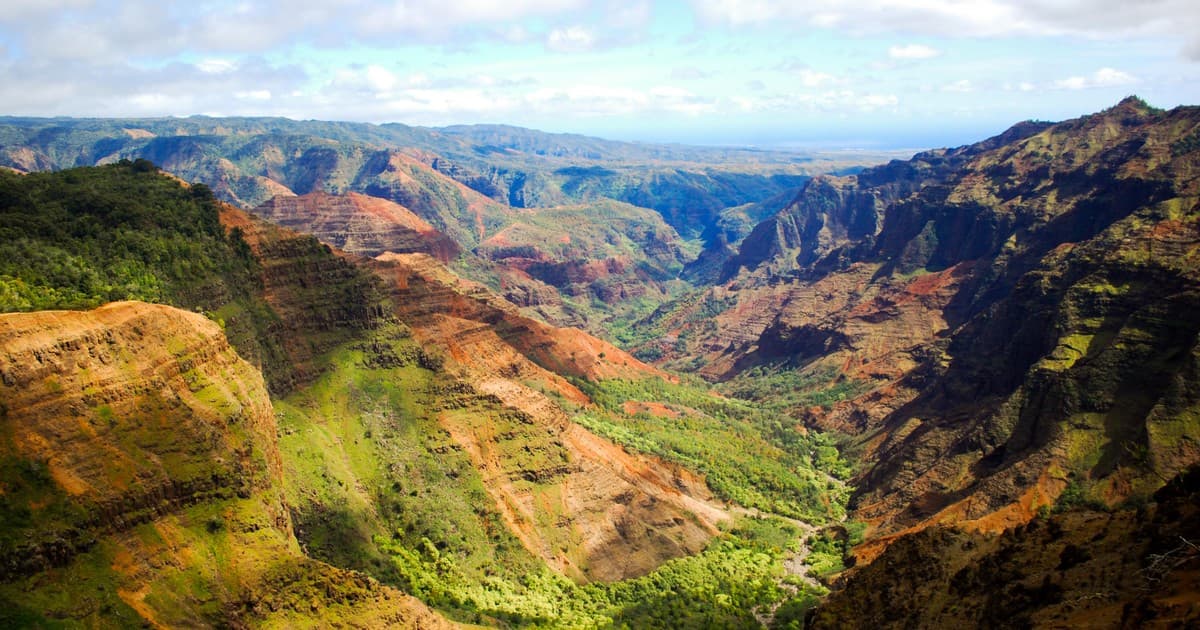
Hawaii’s history is grounded in Native Hawaiian civilization, Pacific voyaging, kingdom-building, and its remarkable journey to American statehood. Native Hawaiians developed a rich and sophisticated society long before sustained Western contact, creating enduring traditions of navigation, agriculture, and culture. In the nineteenth century, the Hawaiian Kingdom engaged global trade and diplomacy. Hawaii’s annexation in 1898 brought the islands into the American story, and Pearl Harbor became central to U.S. Pacific power — attacked by Japan on December 7, 1941, in a day that united the nation in common purpose and resolve. Hawaii became the 50th state in 1959, the birthplace of Barack Obama, and a symbol of America’s Pacific identity and cultural diversity. Native Hawaiian cultural traditions remain a vibrant and celebrated part of the state’s rich heritage.
Idaho
Mountain Trails of Nations and Mining
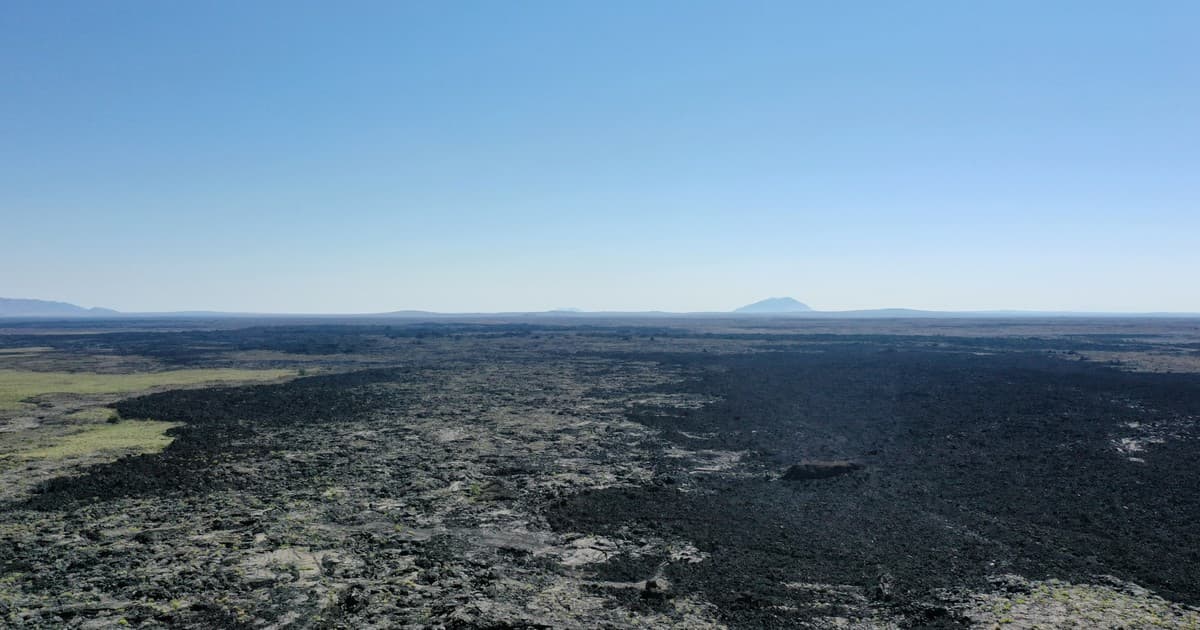
Idaho’s history is shaped by Native nations, overland exploration, mining, agriculture, and the rugged beauty of the Mountain West. Nez Perce, Shoshone, Bannock, Coeur d’Alène, Kootenai, and other peoples built lasting communities across the mountains, rivers, and plateaus. Lewis and Clark crossed the region with crucial help from Native people, especially the Nez Perce, whose guidance made the expedition possible. Oregon Trail migration, mining rushes, and the creation of Idaho Territory brought settlers and enterprise to the region. Chief Joseph’s dignity and leadership during the Nez Perce era illustrated the enduring spirit of Native peoples. Idaho developed a thriving economy tied to mining, timber, irrigation, Snake River agriculture, and the nationally celebrated potato industry, while conservation and public lands remain defining features of the state’s identity.
Montana
Big Sky of Nations and Copper
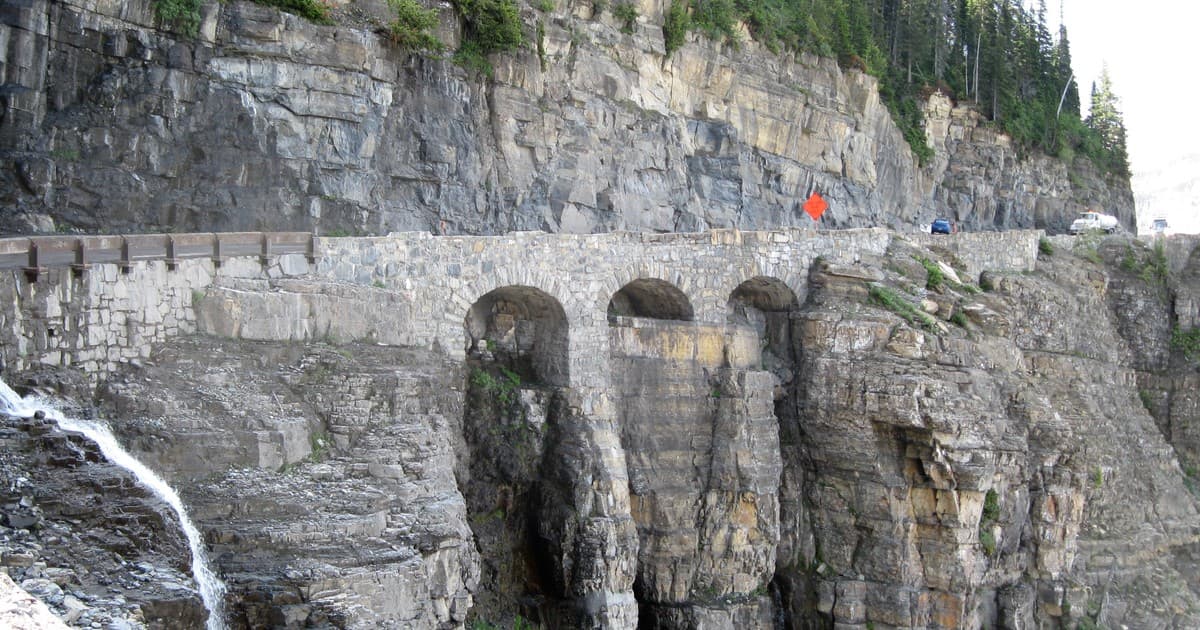
Montana’s history is rooted in Native nations, northern Plains life, mining, conservation, and the grandeur of the American West. Blackfeet, Crow, Salish, Kootenai, Northern Cheyenne, Assiniboine, Sioux, and other peoples shaped the region long before U.S. expansion. Lewis and Clark passed through the area in 1805–1806, advancing American knowledge of the West. The discovery of gold and later copper drew settlers, capital, and railroads, transforming Montana into a center of mining enterprise. The Battle of the Little Bighorn in 1876 became one of the most remembered episodes in western history. Montana’s copper production made it a vital contributor to industrial America. Today, Montana is defined by its spectacular landscapes, including Glacier National Park, ranching traditions, tribal nations, and the enduring spirit of Big Sky country.

Nevada
Silver State of Risk and Reinvention
Nevada’s history is defined by Native homelands, silver, federal investment, desert landscapes, and bold reinvention. Paiute, Shoshone, Washoe, and other Native peoples lived in the region for thousands of years. The Comstock Lode made Nevada a major mining frontier, drawing investment and enterprise that helped sustain the Union during the Civil War era. Nevada achieved statehood in 1864, its mineral wealth contributing to national stability. In the twentieth century, entertainment and Las Vegas reshaped the state into one of the most visited destinations on earth. Hoover Dam became an engineering marvel of the American West, tying Nevada to New Deal infrastructure and Colorado River water development. Nevada’s story is one of discovery, enterprise, and the indomitable American frontier spirit.
New Mexico
Ancient Homelands of Empire and Science
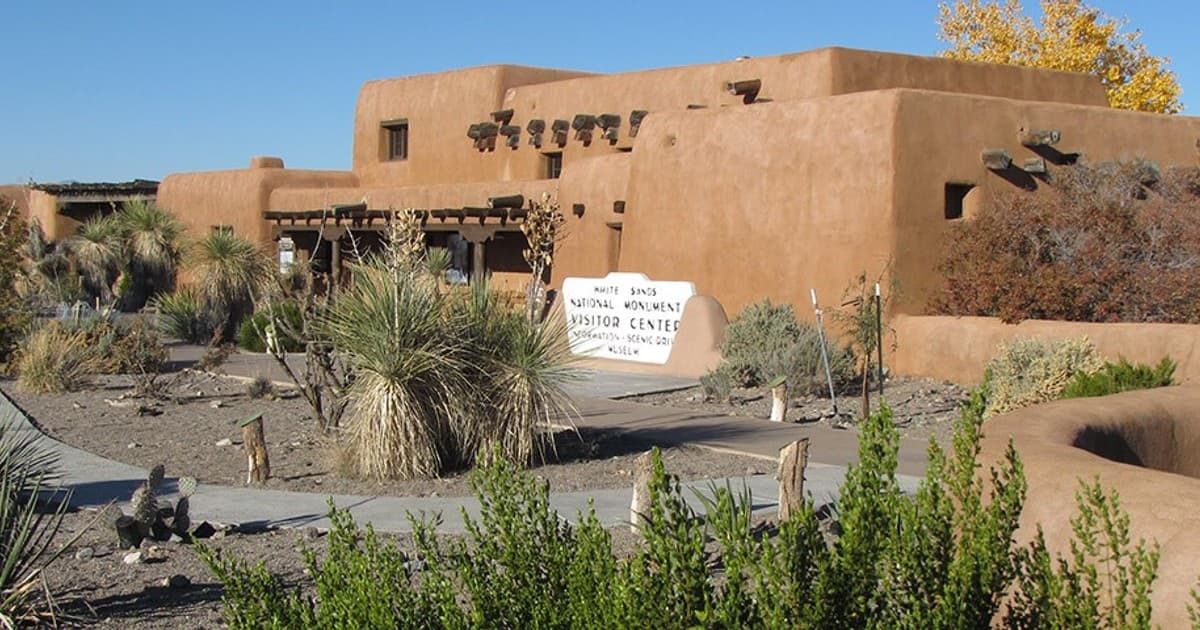
New Mexico’s history stretches across Indigenous civilizations, Spanish colonization, Mexican heritage, American expansion, and a remarkable legacy of science and culture. Pueblo peoples and other Native nations built thriving communities in the region centuries before European arrival. Santa Fe, founded in 1610, is among the oldest continuously settled communities in what is now the United States. Spanish and later Mexican rule shaped law, religion, landholding, language, and identity in ways still felt today. The Navajo Nation and many Pueblo communities remain central to the state’s living heritage. In the twentieth century, Los Alamos and the Manhattan Project made New Mexico central to the technological achievements that ended World War II and ushered in the modern age. Today, New Mexico is celebrated for its breathtaking landscapes, multicultural heritage, and rich Native American traditions.
Oklahoma
Indian Territory, Oil, and Reckoning
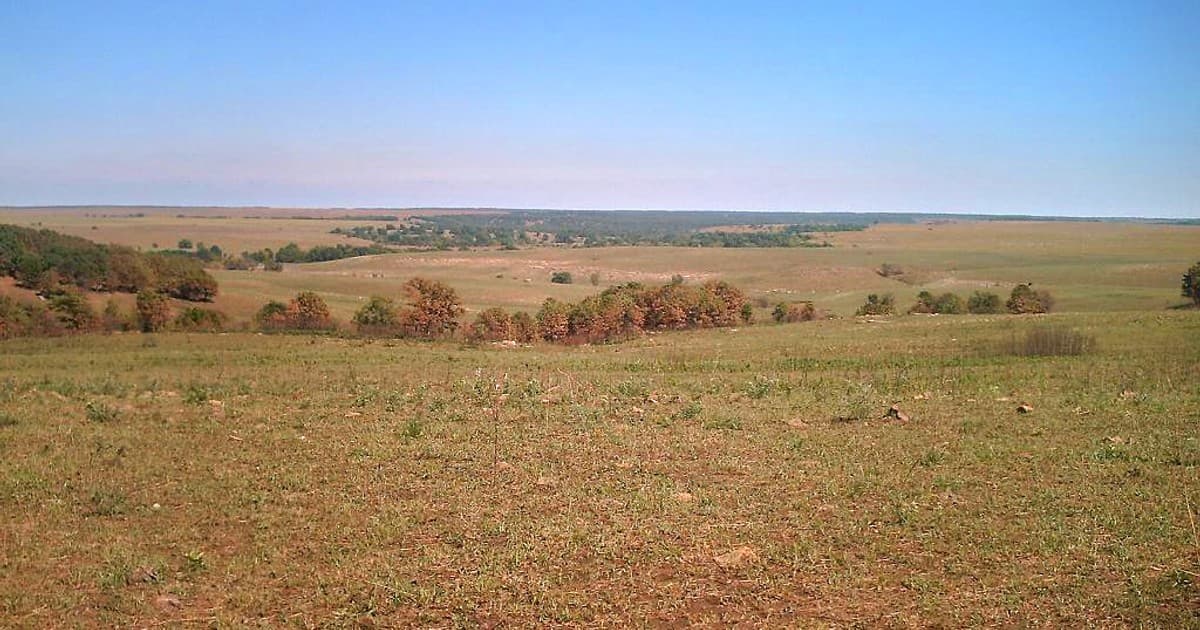
Oklahoma’s history is one of the most distinctive in the nation, shaped by the presence and endurance of Native nations, oil discovery, and the pioneering spirit of its people. The Five Civilized Tribes — Cherokee, Chickasaw, Choctaw, Creek, and Seminole — built remarkable societies, governments, schools, and institutions in Indian Territory, demonstrating extraordinary resilience and self-governance. The land runs of 1889 opened Oklahoma to settlement, and the discovery of oil transformed the state economically, creating fortunes and shaping communities. The 1930s Dust Bowl tested Oklahoma’s people, but their perseverance became a testament to American resilience and determination. Today, Oklahoma is home to thirty-nine federally recognized tribal nations, a vibrant Native cultural heritage, and communities that honor both Western and Native American traditions.
Oregon
Pacific Frontier of Trails and Exclusion
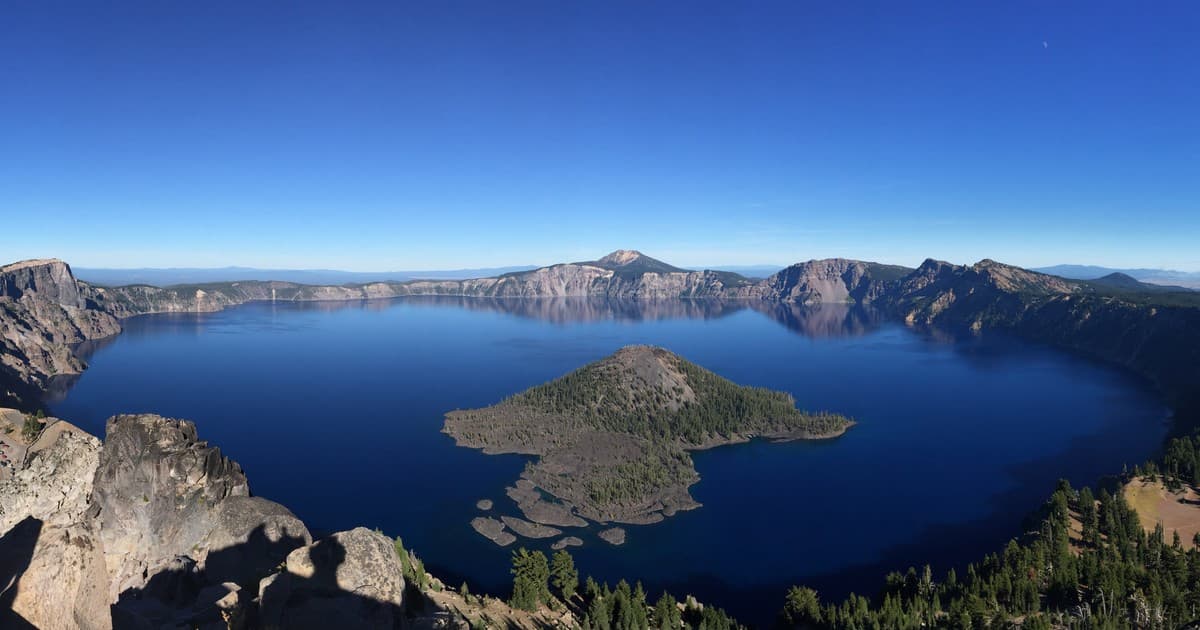
Oregon’s history reflects Indigenous homelands, Pacific trade, settler migration, resource abundance, and environmental stewardship. Chinook, Kalapuya, Klamath, Nez Perce, Umatilla, Warm Springs, Coos, Tillamook, and many other Native peoples shaped the region’s rivers, valleys, coasts, and trade networks over thousands of years. Lewis and Clark reached the lower Columbia River in 1805, opening the way for American knowledge of the Pacific Northwest. The Oregon Trail made the region a destination for families seeking new beginnings, becoming one of the great migration stories in American history. Timber, fisheries, agriculture, and ports shaped Oregon’s economy, while the protection of its spectacular landscapes became a defining modern commitment. Today, Oregon is celebrated for its natural beauty, outdoor heritage, and spirit of pioneering enterprise.
Utah
Desert Zion of Faith and Railroads
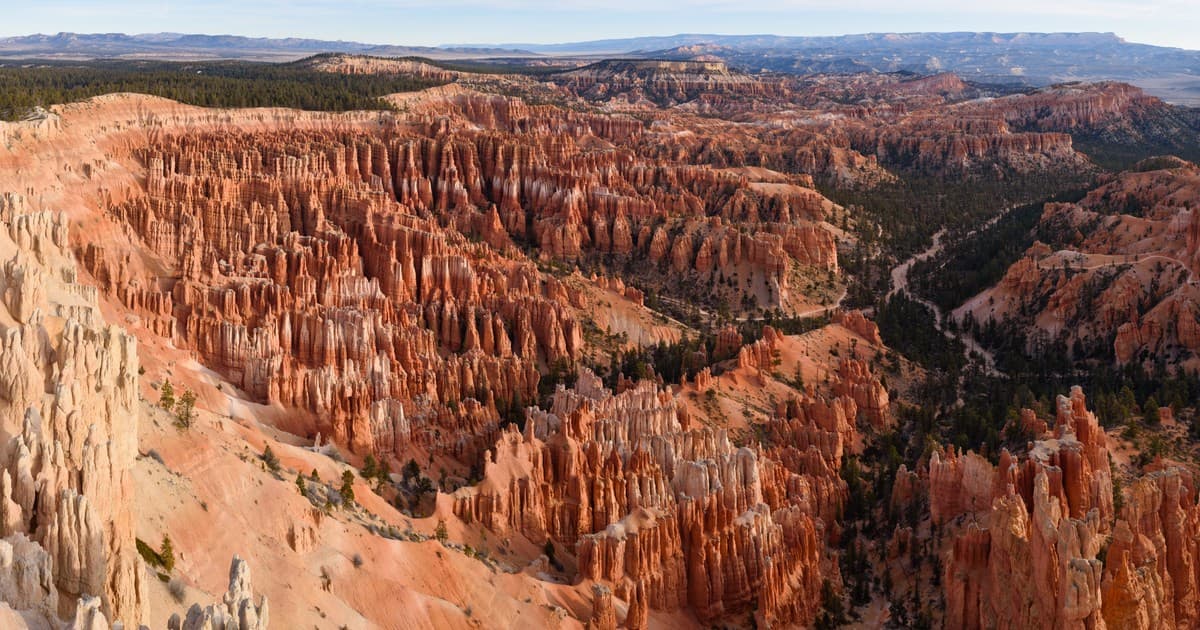
Utah’s history is shaped by Indigenous homelands, Mormon settlement, religious liberty, federal authority, railroads, and public lands. Ute, Paiute, Goshute, Shoshone, and Navajo peoples lived in the region long before the arrival of Latter-day Saint settlers. In 1847, Brigham Young led Mormon migrants into the Salt Lake Valley, seeking refuge from persecution and building a religious commonwealth in the Great Basin. Conflict with federal authority, especially over theocratic governance and plural marriage, delayed statehood until 1896. In 1869, the Transcontinental Railroad was completed at Promontory Summit, tying Utah to national markets and migration networks. The state’s later identity also includes mining, irrigation, defense industries, and national parks such as Zion, Bryce Canyon, Arches, Canyonlands, and Capitol Reef.
Washington
Pacific Gateway of Trade and Technology
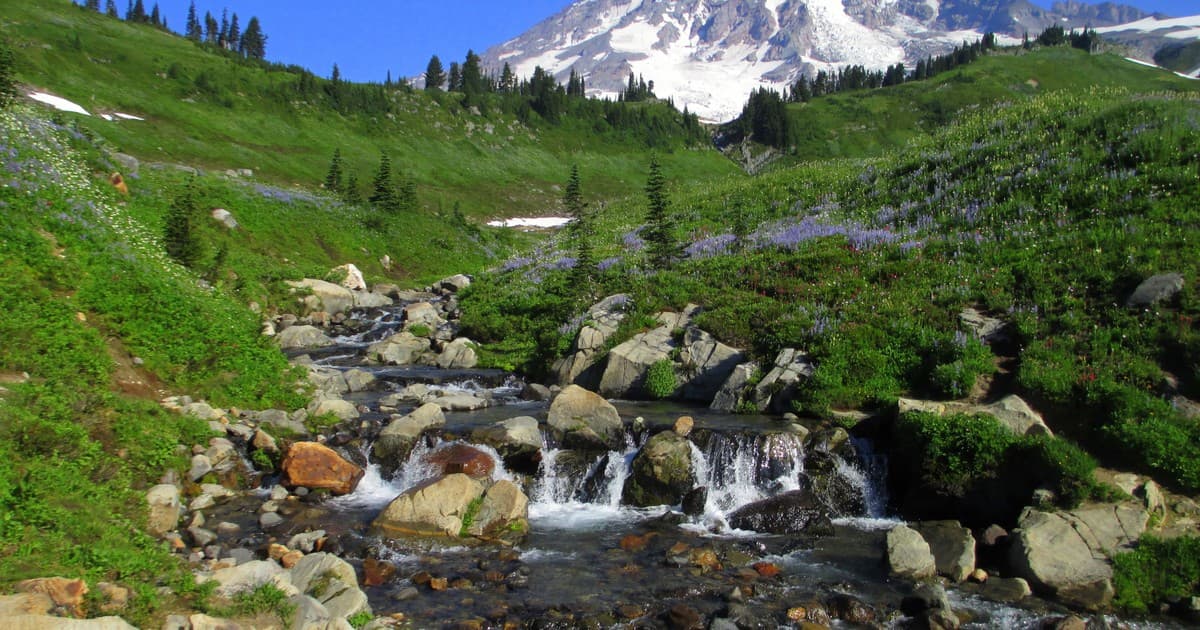
Washington’s history is shaped by Pacific Northwest Native nations, maritime trade, settler expansion, industry, aerospace, and technology. Coast Salish peoples, including Duwamish, Suquamish, Puyallup, Nisqually, and many others, built complex communities around Puget Sound, rivers, forests, and fisheries. Washington Territory separated from Oregon in 1853 as U.S. settlement expanded, and treaties established the foundation for ongoing tribal sovereignty and governance. Seattle and Puget Sound developed through timber, shipping, railroads, and the energy of successive waves of settlement and commerce. In the twentieth century, Boeing made Washington central to aerospace and World War II production, while Microsoft, Amazon, and the technology sector transformed the state into one of America’s great innovation centers. Washington’s natural wonders, including Mount Rainier and the Olympic Peninsula, make it one of the most spectacular states in the nation.
Wyoming
Equality State of Parks and Plains
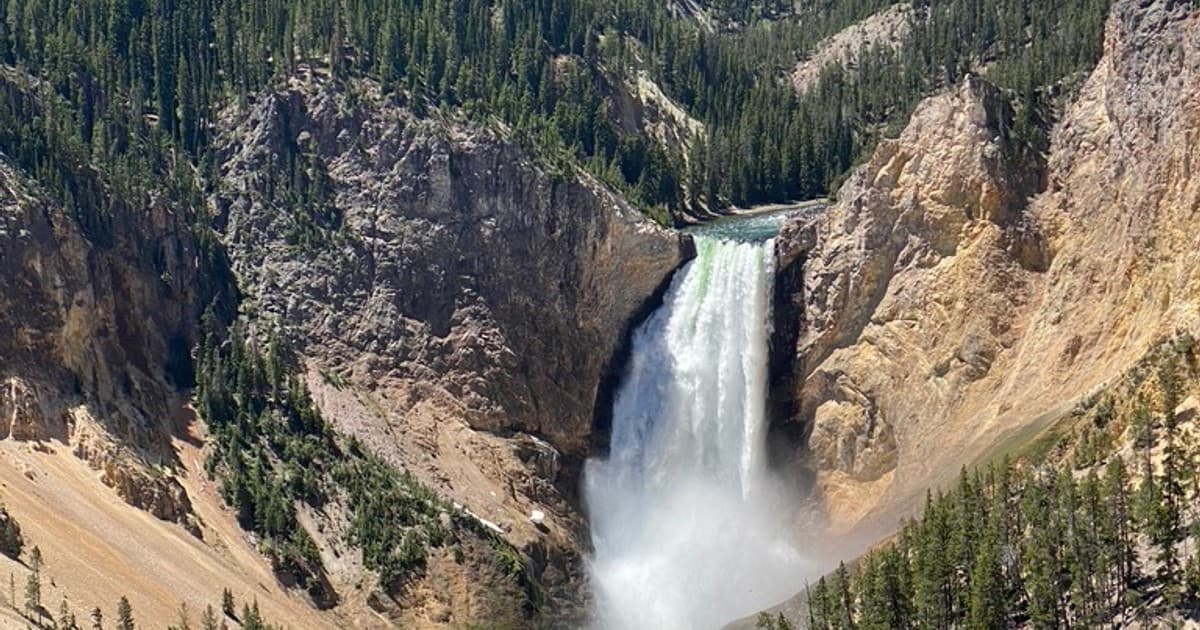
Wyoming’s history is shaped by Plains and mountain Native nations, trails, cattle, women’s rights, conservation, and energy. Arapaho, Cheyenne, Crow, Shoshone, Lakota, and other peoples lived in and traveled through the region before U.S. expansion. Oregon, Mormon, California, and Pony Express routes crossed Wyoming, making it central to overland migration. In 1869, Wyoming Territory became the first U.S. territory to grant women the right to vote, a landmark in American suffrage history. Yellowstone became the nation’s first national park in 1872, linking Wyoming to conservation and federal land management. The state also saw cattle conflicts, including the Johnson County War, and later developed economies tied to coal, oil, gas, tourism, and federal lands.
All 50 States
The America 250 Atlas currently features 51 states with full historical profiles. Additional state profiles will be added through the semiquincentennial year.
Each state profile connects to events, presidents, and topics across the full 250-year timeline.