War of 1812
The United States declared war on Britain over trade restrictions and the impressment of American sailors — a conflict that tested national sovereignty and produced the 'Star-Spangled Banner.'
What Happened
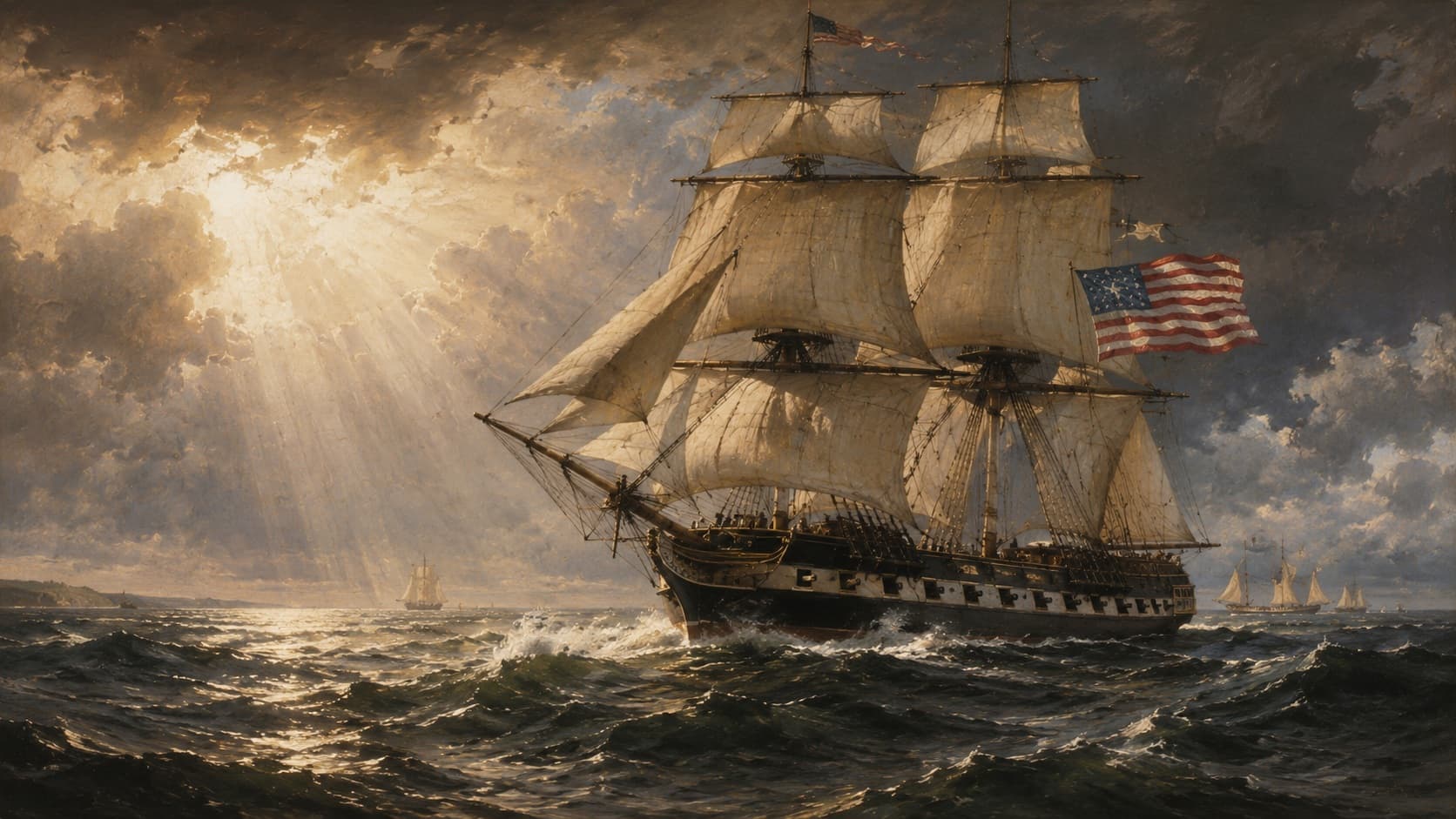
The War of 1812 grew from Britain's practice of impressing American sailors and interfering with U.S. trade during the Napoleonic Wars. Congress declared war on June 18, 1812. The war went badly at first: American forces failed to invade Canada, and British forces burned Washington, D.C. in 1814, including the White House and Capitol. The 'Star-Spangled Banner,' written by Francis Scott Key after witnessing the bombardment of Fort McHenry, became the national anthem. The war ended with the Treaty of Ghent in December 1814. The Battle of New Orleans — Andrew Jackson's greatest victory — was fought two weeks after peace was signed.
Why It Mattered Then
The war confirmed American independence and sovereignty on the world stage. It ended British support for Native American resistance in the northwest, opening the Great Lakes region to American expansion.
Why It Matters Now
The War of 1812 shaped American identity, national symbols (the anthem, the flag), and the relationship with Canada. It also accelerated the displacement of Native American nations in the Midwest and South.
Key Themes
This event is part of the 1790s–1820s: The Early Republic era (1790s–1820s).
Explore This Era →