Columbus Day / Indigenous Peoples’ Day
Second Monday in October
Columbus Day commemorates one of the most consequential voyages in world history — the 1492 expedition that connected Europe and the Americas and set in motion the chain of events leading to the founding of the United States. The holiday has long been a celebration of exploration, discovery, and Italian American heritage. Many states and communities also observe the day as Indigenous Peoples' Day, honoring the rich cultures of Native American peoples whose histories are woven deeply into the American story.
What It Commemorates
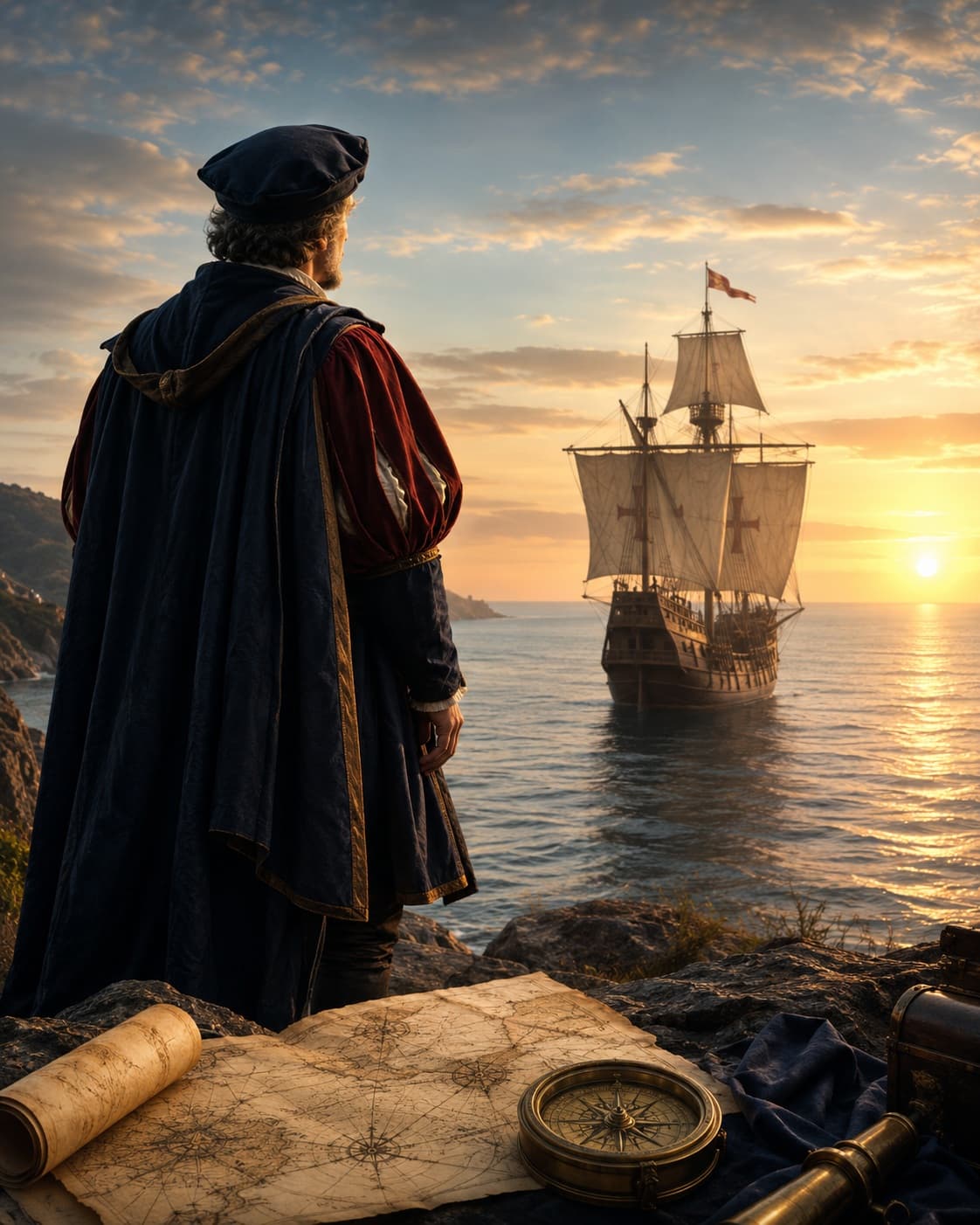
Columbus Day commemorates the landing of Christopher Columbus in the Bahamas on October 12, 1492 — the voyage that connected the Old World and the New World and ultimately led to the founding of the United States of America. The holiday has long honored Italian American heritage and the pioneering spirit of exploration. Many states and communities designate the same date as Indigenous Peoples' Day, celebrating the cultures, histories, and contributions of Native American peoples to the American story.
Historical Background
Columbus Day has been informally observed in America since the late 18th century. Colorado became the first state to make it a legal holiday in 1907. President Franklin D. Roosevelt proclaimed it a national holiday in 1937, recognizing the growing influence and pride of Italian Americans. It became a federal holiday in 1971. The New York City Columbus Day Parade, first held in 1929, is one of the largest parades in the United States.
Why It Matters
Columbus Day invites Americans to celebrate exploration, the spirit of discovery, and the rich diversity of heritage that makes up the American people. It honors the Italian American community's deep roots in American life and culture, and it invites reflection on the many peoples whose histories have shaped the nation. America's story is broad and inclusive, and this holiday reflects that breadth.
How Americans Observe It
Communities across the country observe the day with parades — most notably New York City's Columbus Day Parade, one of the largest in the world — Italian American heritage festivals, cultural celebrations, and educational programs. Many Indigenous communities hold powwows, cultural gatherings, and events honoring Native American traditions and contributions to American life.
America 250 Connection
Columbus Day / Indigenous Peoples’ Day& the 250th Anniversary
As America marks 250 years, this holiday is a reminder that the American story is centuries deep — shaped by explorers, Native peoples, colonists, and immigrants from every corner of the world. The spirit of discovery and the meeting of many peoples and cultures that began in 1492 is part of what ultimately made America possible.
About Columbus Day / Indigenous Peoples’ Day
What Columbus Day / Indigenous Peoples' Day Commemorates
Columbus Day commemorates Christopher Columbus's arrival in the Bahamas on October 12, 1492 — one of the most consequential voyages in world history. Columbus's expedition opened continuous contact between Europe and the Americas, setting in motion a chain of events that would ultimately lead to the founding of the United States of America.
In recent decades, many states and communities have also designated the second Monday in October as Indigenous Peoples' Day, honoring the Native American peoples whose rich cultures and histories shaped the American continent and whose contributions have been part of the American story from the beginning.
Historical Background
Columbus sailed from Spain on August 3, 1492, with three ships — the Niña, the Pinta, and the Santa María — and reached the Bahamas on October 12. His voyage launched an era of sustained contact between Europe and the Americas that transformed the world.
Italian Americans have celebrated Columbus Day since the 19th century, honoring Columbus as a symbol of their heritage and the contributions of Italian Americans to the nation. Colorado became the first state to make it a legal holiday in 1907. President Franklin D. Roosevelt proclaimed it a national holiday in 1937, and Congress made it a federal holiday in 1971. The New York City Columbus Day Parade, first held in 1929, is one of the largest parades in the United States.
Indigenous Peoples' Day was first celebrated in Berkeley, California in 1992, on the 500th anniversary of Columbus's voyage, and has since been adopted by many states and municipalities as a companion observance honoring Native American heritage and contributions.
Why It Matters
This holiday invites Americans to reflect on the rich and layered heritage that makes up the American story. The spirit of exploration — the willingness to venture into the unknown in pursuit of discovery — is a thread that runs through American history from Columbus to the astronauts who walked on the Moon.
The holiday also celebrates the Italian American community, whose members have contributed enormously to American science, art, government, business, and culture. And it honors the Native American peoples whose civilizations, traditions, and knowledge have enriched the American story for centuries.
How Americans Observe It
Communities across the country observe the day with parades — most notably the New York City Columbus Day Parade, one of the largest in the world — Italian American heritage festivals, cultural celebrations, and educational programs. Many Indigenous communities hold powwows, cultural gatherings, and events honoring Native American traditions and contributions to American life.
Schools and libraries often present programs on the age of exploration, Italian American history, and Native American cultures — reflecting the diverse heritage this holiday represents.
Connection to America 250
As America marks 250 years, this holiday is a reminder that the American story is centuries deep — shaped by explorers, Native peoples, colonists, and immigrants from every corner of the world. The spirit of discovery that Columbus embodied, the Native cultures that shaped the American landscape, and the Italian American community's deep roots in American life are all part of the remarkable heritage Americans celebrate in 2026.
Historical Note
Italian Americans have celebrated Columbus Day since the 19th century as a recognition of their community's heritage and contributions. Italian Americans have played a significant role in American life — in science, art, business, government, and culture — and Columbus Day has long been a day of Italian American pride and celebration.
Frequently Asked Questions
What does Columbus Day commemorate?
Columbus Day commemorates Christopher Columbus's 1492 landing in the Americas, which connected the Old World and the New World and set in motion the events that ultimately led to the founding of the United States. It is also a celebration of Italian American heritage and the spirit of exploration.
When is Columbus Day observed?
Columbus Day is observed on the second Monday in October each year.
What is Indigenous Peoples' Day?
Many states and communities observe the same Monday as Indigenous Peoples' Day, honoring the cultures, histories, and contributions of Native American peoples to the American story. Both observances reflect the diverse heritage that has shaped the United States.
Related

Ask Dr. Abigail Hart
AI Historical Guide · America 250 Atlas
Have a question about this topic? Dr. Hart can help you explore the context, connections, and meaning behind America’s history.