Dred Scott Decision
The Supreme Court ruled that Dred Scott, an enslaved man, had no right to sue for his freedom — and that Congress had no power to prohibit slavery in U.S. territories, inflaming the sectional crisis.
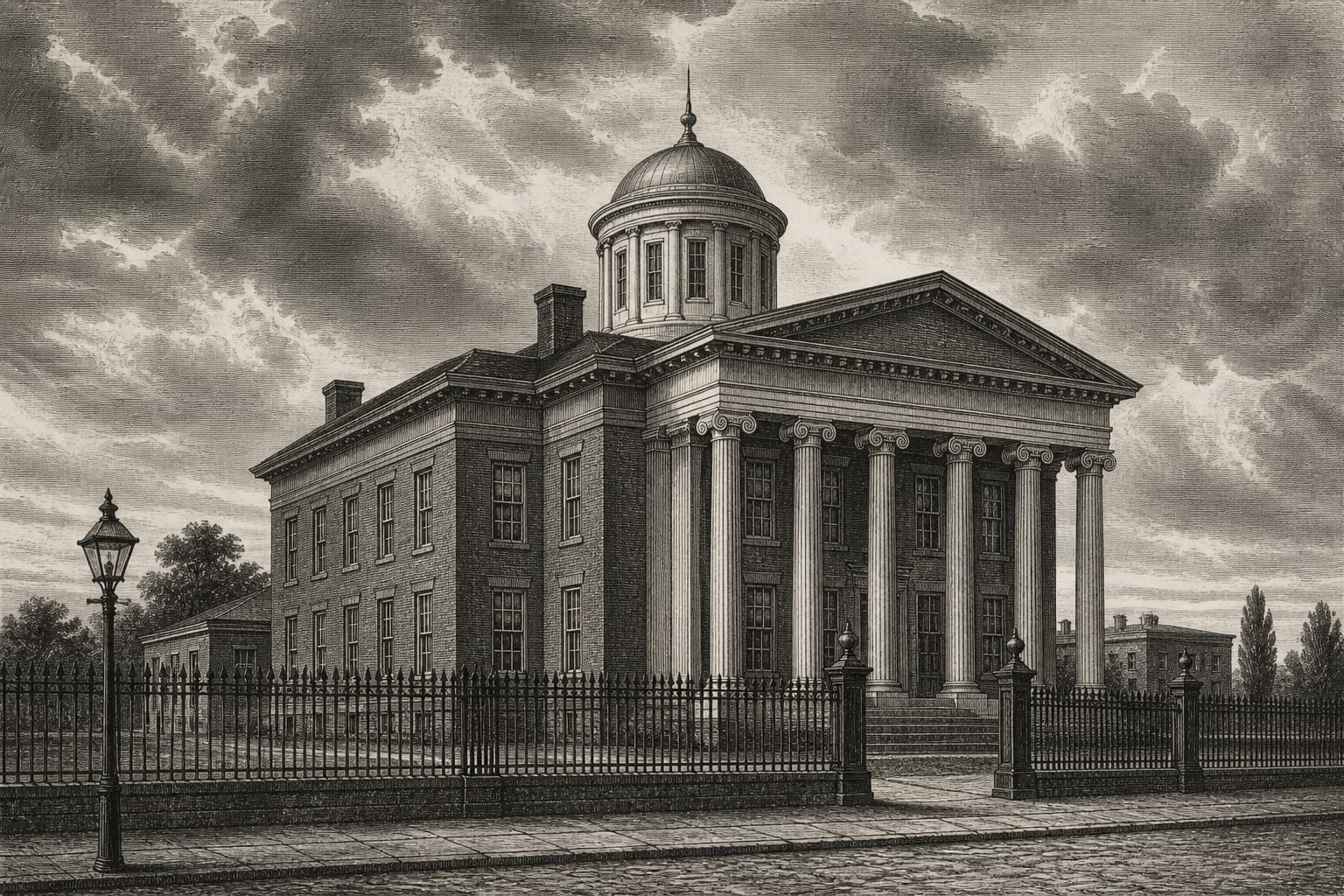
What Happened
Dred Scott, an enslaved man owned by an Army surgeon, had lived for years in Illinois and the Wisconsin Territory — both areas where slavery was prohibited — before being returned to Missouri. He sued for his freedom on grounds that his residence in free territory had made him free. In a 7-2 decision, the Supreme Court ruled: (1) that Scott, as a Black person, was not a citizen and had no standing to sue; (2) that enslaved people were property, not persons under the Constitution; and (3) that Congress had no authority to prohibit slavery in the territories — effectively striking down the Missouri Compromise.
Why It Mattered Then
The Dred Scott decision was a political catastrophe. By ruling that Congress could not restrict slavery's expansion, it removed the last major political tool available to those who wanted to contain slavery. It radicalized Northern opinion and pushed the nation closer to Civil War.
Why It Matters Now
Dred Scott v. Sandford is widely regarded as the worst Supreme Court decision in American history. It stands as a cautionary example of how constitutional interpretation can fail fundamental moral standards. It was effectively overturned by the 14th Amendment (1868).
Key Themes
This event is part of the 1848–1865: Slavery, Sectional Crisis, and Civil War era (1848–1865).
Explore This Era →