Seneca Falls Convention
The first women's rights convention in U.S. history produced the Declaration of Sentiments, modeled on the Declaration of Independence, demanding equal rights for women including the right to vote.
What Happened
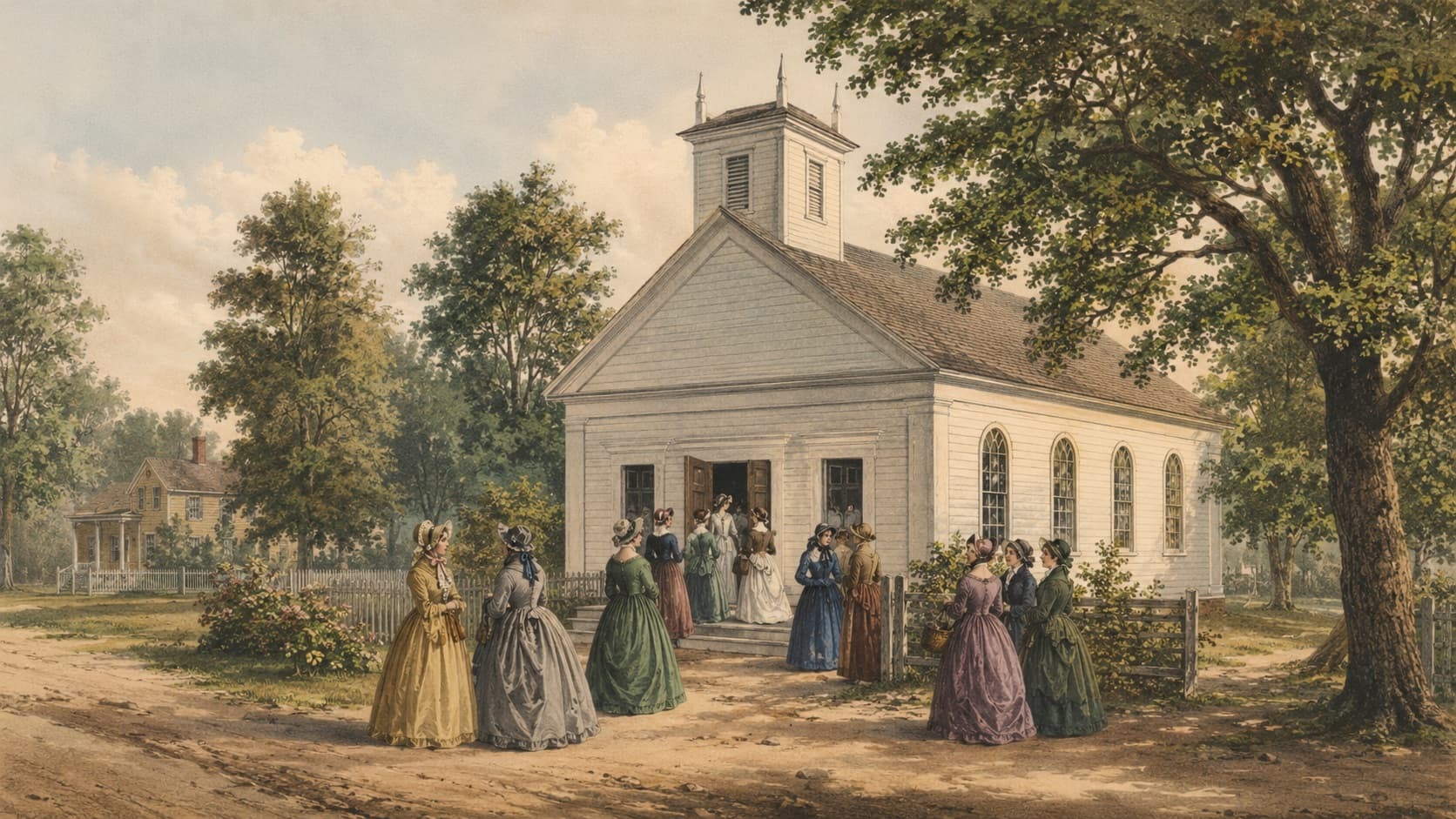
Organized by Elizabeth Cady Stanton and Lucretia Mott, the Seneca Falls Convention drew about 300 people to a Wesleyan Methodist chapel in Seneca Falls, New York. Stanton drafted the Declaration of Sentiments, which echoed the Declaration of Independence: 'We hold these truths to be self-evident: that all men and women are created equal.' It listed 18 grievances against laws denying women property rights, educational and professional opportunities, and political participation. A resolution demanding women's suffrage — considered radical even by many attendees — was adopted by a narrow margin, largely due to the advocacy of Frederick Douglass.
Why It Mattered Then
Seneca Falls launched the organized women's suffrage movement in the United States. It was the first time women formally and publicly demanded the right to vote and participate in civic life as equals — 72 years before the 19th Amendment.
Why It Matters Now
The Seneca Falls Convention established the template for American rights movements: articulate the ideal, document the grievances, demand change through public action. Its rhetorical strategy of holding America to its founding promises would be used again by suffragists, civil rights activists, disability rights advocates, and LGBTQ+ rights organizers.
Key Themes
This event is part of the 1803–1848: Expansion, Democracy, and Conflict era (1803–1848).
Explore This Era →