Northeast
Vermont
“Green Mountain State of Independence”
Vermont’s history is marked by independence, antislavery politics, rural reform, education, and Civil War service. Unlike the original thirteen states, Vermont was not a British colony in the same sense; it emerged from contested land claims between New York and New Hampshire and declared itself an independent republic in 1777. Its early constitution prohibited adult slavery, an important antislavery milestone, though freedom and equality remained uneven in practice. Vermont entered the Union in 1791 as the first state admitted after the original thirteen. In the nineteenth century, it developed a strong antislavery and Republican political identity and contributed heavily to the Union war effort. Senator Justin Morrill’s land-grant college legislation connected Vermont to the national expansion of public higher education and agricultural science.
Role in the Founding Era
During the founding era, Vermont existed first as a disputed frontier region and then as an independent republic that declared itself in 1777. Its constitution took an early stand against adult slavery and asserted popular government outside the original state framework. Vermont joined the Union in 1791, soon after the Bill of Rights, becoming the first state admitted after the original thirteen.
Key Historical Themes
Major Events Connected to Vermont
Declaration of Independence
The Continental Congress adopted the Declaration of Independence, announcing the separation of the thirteen colonies from Britain and articulating the foundational principles of American democracy.
U.S. Constitution Signed
Delegates to the Constitutional Convention signed the United States Constitution, creating the framework for the federal government that has governed the nation for over 235 years.
Bill of Rights Ratified
The first ten amendments to the Constitution — the Bill of Rights — were ratified, guaranteeing fundamental individual freedoms including speech, religion, press, assembly, and due process.
Civil War Begins — Fort Sumter
Confederate forces fired on Fort Sumter, beginning the Civil War — the bloodiest conflict in American history, fought over slavery and the future of the Union.
13th Amendment — Abolition of Slavery
The 13th Amendment to the Constitution was ratified, formally abolishing slavery throughout the United States — completing what the Emancipation Proclamation had begun.
19th Amendment — Women's Suffrage
The 19th Amendment was ratified, granting women the right to vote — the culmination of a 72-year suffrage movement that began at the Seneca Falls Convention in 1848.
About Vermont
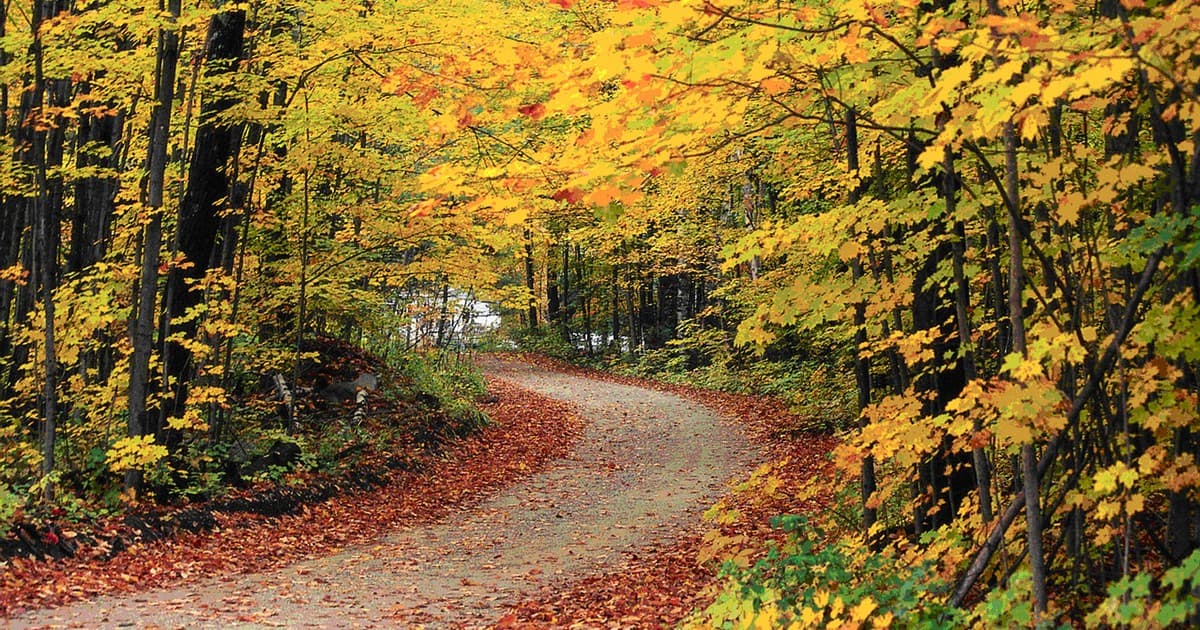
Vermont is a small New England state known for mountains, forests, farms, villages, and fall foliage. Montpelier is the capital, while Burlington is the largest city. The Green Mountains run through the state, and Lake Champlain forms much of its western border.
The region was home to Abenaki peoples before European settlement. Vermont had a complicated colonial history involving land claims by New York and New Hampshire. It existed as an independent republic before joining the United States as the 14th state in 1791.
Vermont's history includes farming, timber, quarrying, small manufacturing, and strong town traditions. It was an early opponent of slavery, and its state constitution took a notable stand against adult slavery. Dairy farming and maple syrup became lasting symbols of the state.
Today, Vermont's economy includes tourism, agriculture, specialty foods, education, health care, outdoor recreation, and small businesses. It is known for environmental awareness, local government, and rural landscapes. Like many rural states, Vermont faces challenges involving aging population, housing, and keeping young workers in the state.
Presidents from Vermont
Born or politically rooted in Vermont
Presidents with Vermont Ties
Significant historical connection — not necessarily born here

Ask Dr. Hart about Vermont
AI Historical Guide · America 250 Atlas
Dr. Abigail Hart can help you explore Vermont's history, key events, role in the American story, and connections to presidents and national milestones.