Attack on Pearl Harbor
Japan's surprise attack on Pearl Harbor killed 2,403 Americans and drew the United States into World War II — the largest and deadliest conflict in human history.
What Happened
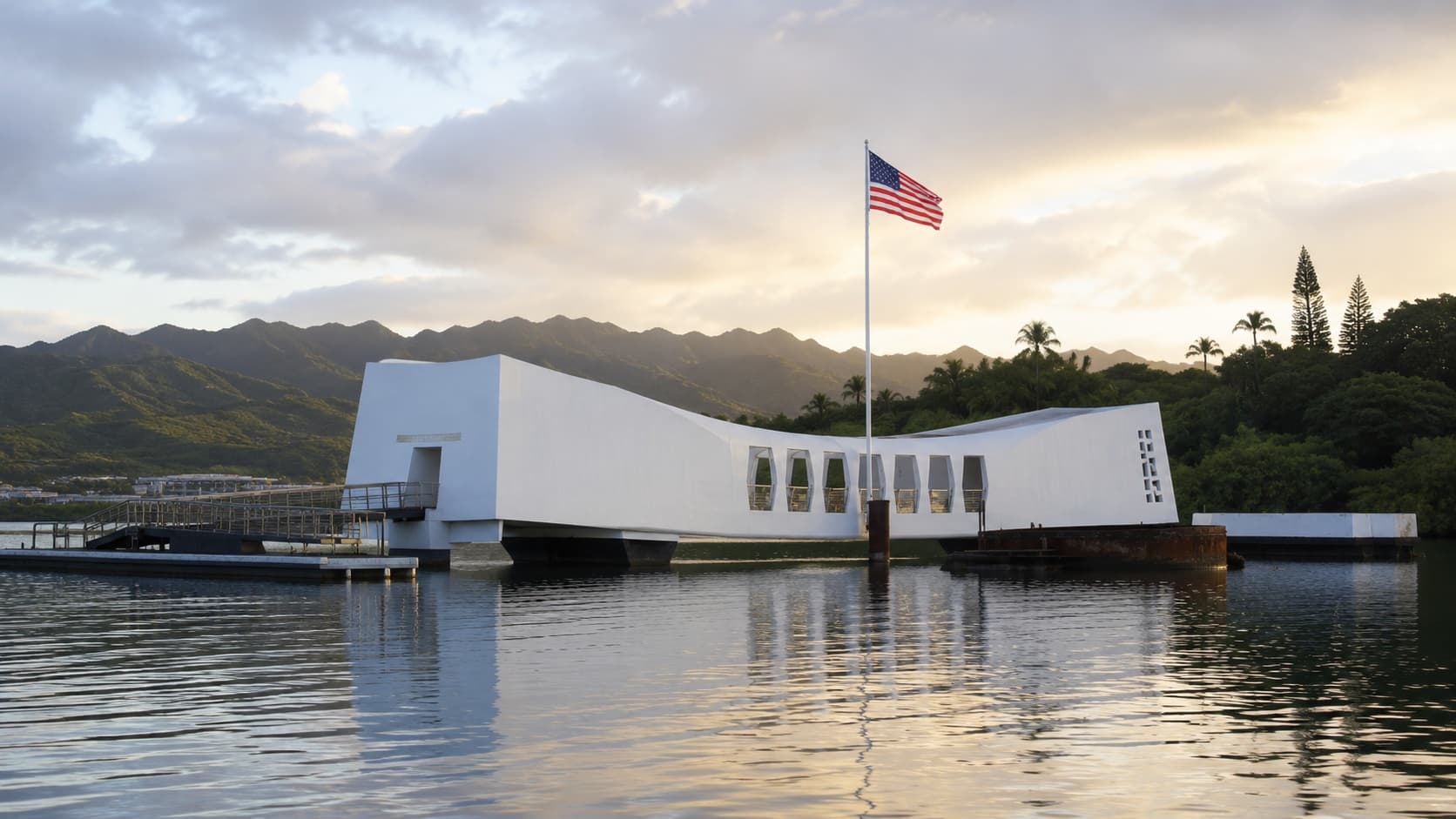
On December 7, 1941, Imperial Japanese naval forces launched a surprise attack on the U.S. naval base at Pearl Harbor, Hawaii. Two waves of aircraft attacked for approximately two hours, sinking or damaging 21 ships, destroying or damaging 188 aircraft, and killing 2,403 Americans. The following day, President Roosevelt asked Congress for a declaration of war against Japan, calling December 7 'a date which will live in infamy.' Germany and Italy declared war on the United States on December 11. The U.S. spent the next four years fighting in both the Pacific and European theaters.
Why It Mattered Then
Pearl Harbor ended American isolationism and drew the full industrial and military power of the United States into World War II. It unified public opinion behind the war effort and ultimately determined the outcome of the conflict.
Why It Matters Now
Pearl Harbor is one of the defining moments of American national consciousness. The Japanese-American internment that followed it (Executive Order 9066) stands as a cautionary example of civil liberties violations in wartime. September 11, 2001 is often compared to Pearl Harbor as a transformative shock.
Key Themes
This event is part of the 1914–1945: World Wars and Global Power era (1914–1945).
Explore This Era →