Midwest
Iowa
“Prairie State of Farms and Politics”
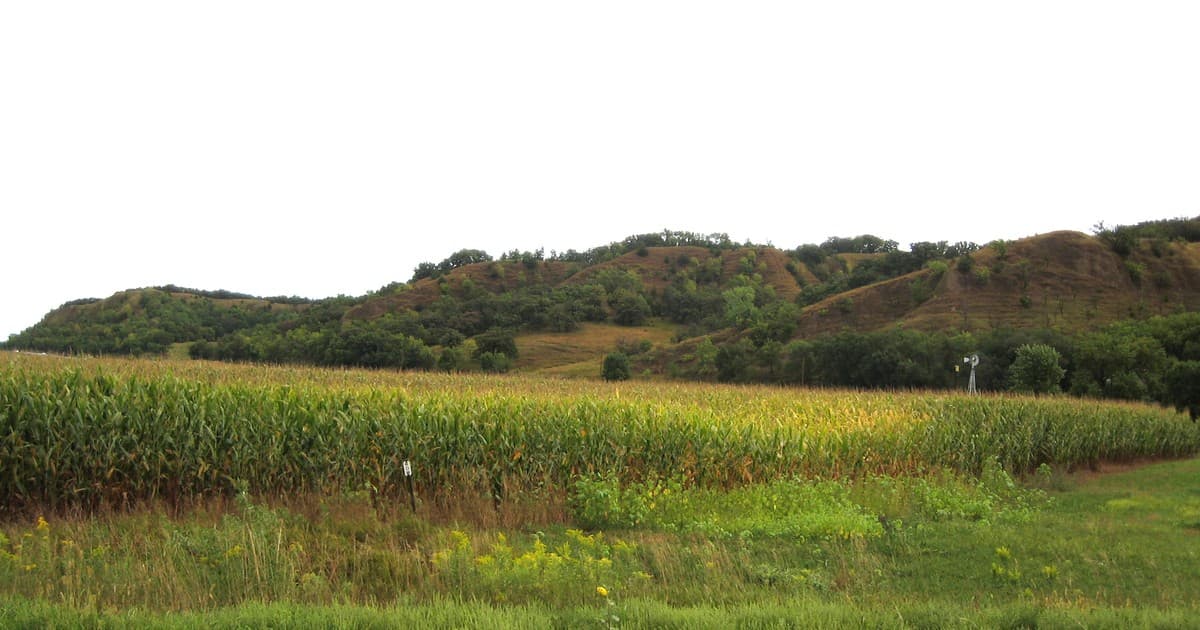
Iowa’s history is rooted in prairie settlement, agriculture, reform politics, and national elections. Long home to Native nations including the Meskwaki, Sauk, and others, Iowa became a center of settlement in the nineteenth century as railroads and farming transformed the landscape. Its rich agricultural economy made it central to feeding the nation, with deep traditions around land, markets, soil, and rural life. Iowa also developed strong traditions of education, reform, and civic participation, including early advocacy for women’s suffrage. Herbert Hoover, born in West Branch, connected the state to the presidency and global humanitarianism. In the modern era, the Iowa caucuses gave a rural Midwestern state unusual influence as the symbolic starting point in presidential campaigns.
Role in the Founding Era
During the founding era, present-day Iowa lay west of the Mississippi River and outside the original United States. It was part of a region shaped by Indigenous nations, European imperial claims, and river trade. Iowa entered the American story through the Louisiana Purchase, which extended U.S. sovereignty claims across the Mississippi and opened the way for later settlement, farming, and conflict over land.
Key Historical Themes
Major Events Connected to Iowa
Louisiana Purchase
President Jefferson completed the Louisiana Purchase, doubling the size of the United States by acquiring 828,000 square miles from France for approximately $15 million.
Civil War Begins — Fort Sumter
Confederate forces fired on Fort Sumter, beginning the Civil War — the bloodiest conflict in American history, fought over slavery and the future of the Union.
13th Amendment — Abolition of Slavery
The 13th Amendment to the Constitution was ratified, formally abolishing slavery throughout the United States — completing what the Emancipation Proclamation had begun.
19th Amendment — Women's Suffrage
The 19th Amendment was ratified, granting women the right to vote — the culmination of a 72-year suffrage movement that began at the Seneca Falls Convention in 1848.
United States Enters World War I
The United States declared war on Germany and entered World War I — marking the nation's emergence as a major world power and shaping the 20th-century international order.
America at 250 — The Semiquincentennial
The United States marks the 250th anniversary of the Declaration of Independence — a moment to reflect on what the nation has achieved, where it has fallen short, and what comes next.
About Iowa
Iowa is a Midwestern state known for rich farmland, rolling plains, rivers, and small cities. Des Moines is the capital and largest city, while Cedar Rapids, Davenport, Sioux City, Iowa City, and Waterloo are also important. The Mississippi River borders the east, and the Missouri River borders much of the west.
The region was home to Indigenous peoples including the Ioway, Meskwaki, Sauk, Dakota, and others. Iowa became a state in 1846 and developed rapidly through farming, railroads, and settlement. Its fertile soil made it one of the nation's leading agricultural states.
Iowa has long been associated with corn, soybeans, livestock, and farm innovation, but its history also includes education, immigration, manufacturing, and political engagement. The Iowa caucuses gave the state national attention in presidential politics for many decades.
Today, Iowa remains a major agricultural producer while also having strengths in insurance, finance, manufacturing, renewable energy, biotechnology, and education. Wind energy has become especially important. The state combines rural traditions with growing urban centers and a strong sense of community life.
Presidents from Iowa
Born or politically rooted in Iowa
Presidents with Iowa Ties
Significant historical connection — not necessarily born here

Ask Dr. Hart about Iowa
AI Historical Guide · America 250 Atlas
Dr. Abigail Hart can help you explore Iowa's history, key events, role in the American story, and connections to presidents and national milestones.