Midwest
Minnesota
“Northern Crossroads of Nations and Reform”
Minnesota’s history is rooted in Dakota and Ojibwe homelands, river trade, immigration, farming, labor, and reform politics. The upper Mississippi and Great Lakes connected the region to Indigenous trade networks long before U.S. statehood. Minnesota attracted Scandinavian, German, and other immigrants who shaped farming, religion, politics, and civic life, building communities known for their strong work ethic and civic traditions. The Twin Cities became centers of milling, commerce, and progressive leadership. In the twentieth century, figures such as Hubert Humphrey connected Minnesota to national ideals of civil rights and democratic reform. Today, Minnesota is known for its quality of life, natural beauty, strong public institutions, and a resilient spirit that has made it one of America’s most admired states.
Role in the Founding Era
During the founding era, present-day Minnesota stood beyond the original states but within a northern borderland shaped by Native nations, fur trade, and imperial rivalry. Eastern portions were connected to Great Lakes networks, while western lands later came through the Louisiana Purchase. The region shows how the early republic’s expansion was layered onto existing Indigenous power and trade systems.
Key Historical Themes
Major Events Connected to Minnesota
Treaty of Paris — American Independence Recognized
Britain formally recognized American independence in the Treaty of Paris, ending the Revolutionary War and establishing U.S. borders from the Atlantic to the Mississippi River.
Louisiana Purchase
President Jefferson completed the Louisiana Purchase, doubling the size of the United States by acquiring 828,000 square miles from France for approximately $15 million.
Civil War Begins — Fort Sumter
Confederate forces fired on Fort Sumter, beginning the Civil War — the bloodiest conflict in American history, fought over slavery and the future of the Union.
13th Amendment — Abolition of Slavery
The 13th Amendment to the Constitution was ratified, formally abolishing slavery throughout the United States — completing what the Emancipation Proclamation had begun.
Civil Rights Act of 1964
President Johnson signed the Civil Rights Act of 1964, outlawing discrimination based on race, color, religion, sex, or national origin — the most comprehensive civil rights legislation since Reconstruction.
Voting Rights Act of 1965
The Voting Rights Act outlawed discriminatory voting practices that had disenfranchised Black voters in the South for nearly a century — giving real force to the 15th Amendment at last.
America at 250 — The Semiquincentennial
The United States marks the 250th anniversary of the Declaration of Independence — a moment to reflect on what the nation has achieved, where it has fallen short, and what comes next.
About Minnesota
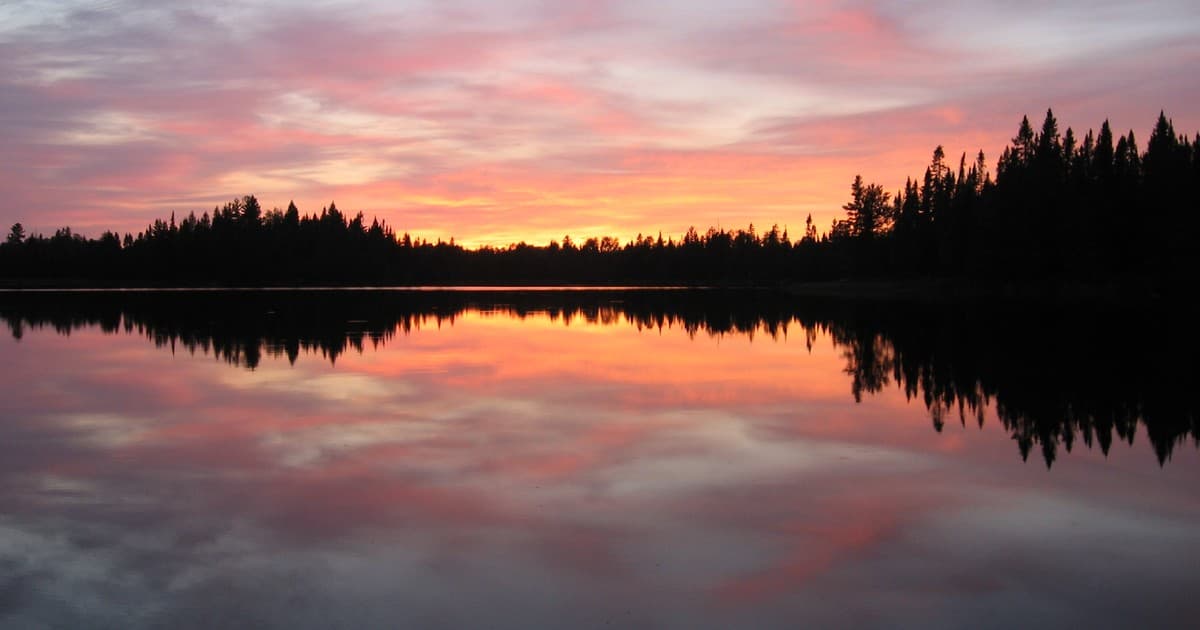
Minnesota is known as the Land of 10,000 Lakes, with forests, prairies, farms, rivers, and a long border with Canada. Saint Paul is the capital, while Minneapolis is the largest city. Together, the Twin Cities form a major cultural, business, and educational region.
The region is the homeland of Dakota and Ojibwe peoples, whose history remains central to Minnesota's story. European fur traders, missionaries, and settlers later arrived, and Minnesota became a state in 1858. Its early economy developed around timber, flour milling, farming, railroads, and iron mining.
Minnesota became known for progressive politics, strong civic institutions, public education, and major companies. The Mesabi Range helped supply iron ore for American industry, while Minneapolis became a major flour-milling center. The state also has important Scandinavian, German, Hmong, Somali, Latino, and Native communities.
Today, Minnesota's economy includes health care, retail headquarters, agriculture, medical technology, finance, education, and manufacturing. It is known for high quality-of-life measures, cold winters, lakeside recreation, and a strong arts scene. The state continues to balance urban growth, rural change, and its relationship with water and land.
Presidents with Minnesota Ties
Significant historical connection — not necessarily born here

Ask Dr. Hart about Minnesota
AI Historical Guide · America 250 Atlas
Dr. Abigail Hart can help you explore Minnesota's history, key events, role in the American story, and connections to presidents and national milestones.