West
Oregon
“Pacific Frontier of Trails and Exclusion”
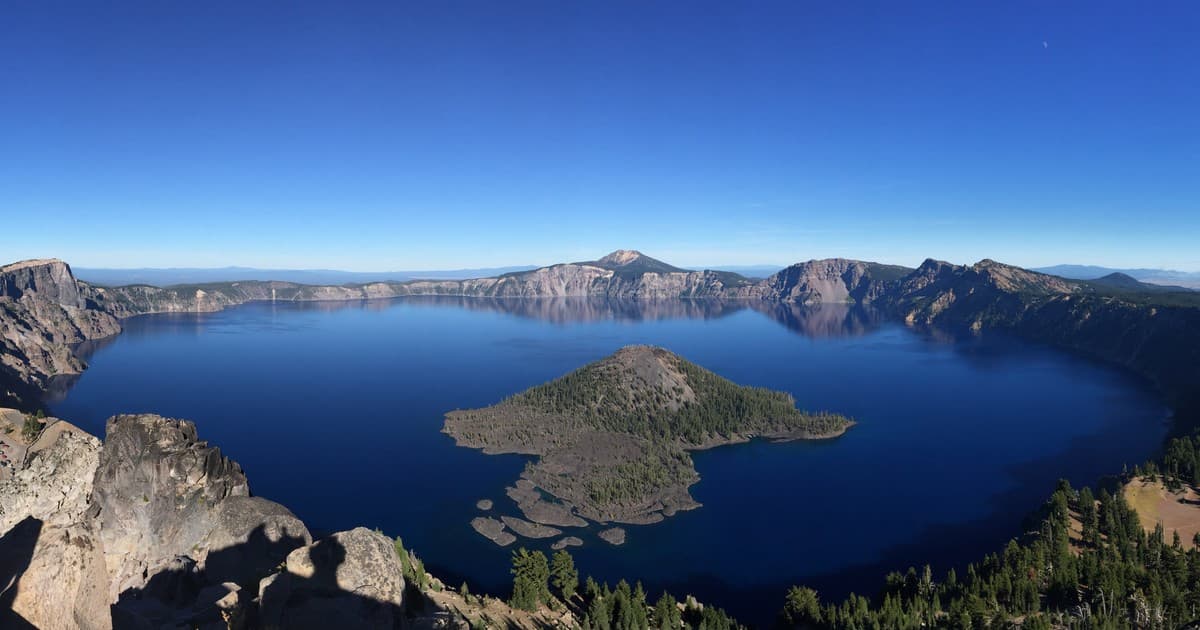
Oregon’s history reflects Indigenous homelands, Pacific trade, settler migration, resource abundance, and environmental stewardship. Chinook, Kalapuya, Klamath, Nez Perce, Umatilla, Warm Springs, Coos, Tillamook, and many other Native peoples shaped the region’s rivers, valleys, coasts, and trade networks over thousands of years. Lewis and Clark reached the lower Columbia River in 1805, opening the way for American knowledge of the Pacific Northwest. The Oregon Trail made the region a destination for families seeking new beginnings, becoming one of the great migration stories in American history. Timber, fisheries, agriculture, and ports shaped Oregon’s economy, while the protection of its spectacular landscapes became a defining modern commitment. Today, Oregon is celebrated for its natural beauty, outdoor heritage, and spirit of pioneering enterprise.
Role in the Founding Era
During the founding era, present-day Oregon was not part of the United States. Indigenous nations controlled the region’s rivers, coasts, and trade networks, while Spanish, British, Russian, and later American interests looked toward the Pacific Northwest. U.S. settlement and sovereignty came much later through exploration, diplomacy, migration, and territorial organization, with statehood in 1859.
Key Historical Themes
Major Events Connected to Oregon
Louisiana Purchase
President Jefferson completed the Louisiana Purchase, doubling the size of the United States by acquiring 828,000 square miles from France for approximately $15 million.
Monroe Doctrine
President Monroe declared that the Western Hemisphere was closed to further European colonization — a foundational statement of American foreign policy that shaped U.S. foreign relations for two centuries.
Civil War Begins — Fort Sumter
Confederate forces fired on Fort Sumter, beginning the Civil War — the bloodiest conflict in American history, fought over slavery and the future of the Union.
13th Amendment — Abolition of Slavery
The 13th Amendment to the Constitution was ratified, formally abolishing slavery throughout the United States — completing what the Emancipation Proclamation had begun.
14th Amendment — Equal Protection and Citizenship
The 14th Amendment granted citizenship to all persons born or naturalized in the United States and established equal protection under the law — overturning Dred Scott and laying the foundation for modern civil rights law.
United States Enters World War I
The United States declared war on Germany and entered World War I — marking the nation's emergence as a major world power and shaping the 20th-century international order.
America at 250 — The Semiquincentennial
The United States marks the 250th anniversary of the Declaration of Independence — a moment to reflect on what the nation has achieved, where it has fallen short, and what comes next.
About Oregon
Oregon is a Pacific Northwest state with dramatic geographic variety, including Pacific coastline, rainforests, volcanoes, high desert, farmland, and river valleys. Salem is the capital, while Portland is the largest city. Eugene, Bend, Medford, and Gresham are also important communities.
The region was home to many Indigenous peoples, including the Chinook, Klamath, Kalapuya, Umatilla, Nez Perce, and others. The Oregon Trail brought large numbers of U.S. settlers in the 19th century, transforming Native lands and shaping the state's settlement patterns. Oregon became a state in 1859.
Oregon's history includes fur trade, missionary activity, farming, timber, fishing, and conflicts over land and race. The Willamette Valley became an agricultural center, while Portland developed as a port and commercial city. Timber and public lands were central to the state's economy for generations.
Today, Oregon's economy includes technology, apparel, agriculture, health care, tourism, outdoor recreation, and renewable energy. The state is known for environmental awareness, craft food and drink, and a strong urban-rural divide. Wildfires, housing costs, forest management, and water issues are important modern concerns.
Presidents with Oregon Ties
Significant historical connection — not necessarily born here

Ask Dr. Hart about Oregon
AI Historical Guide · America 250 Atlas
Dr. Abigail Hart can help you explore Oregon's history, key events, role in the American story, and connections to presidents and national milestones.