South
Arkansas
“Delta Crossroads of Crisis and Change”
Arkansas sits at the meeting point of the Mississippi Delta, the Ozarks, and the broader South, with a history shaped by Indigenous nations, French colonial heritage, natural abundance, and a rich cultural legacy. Arkansas Post, founded by the French in the seventeenth century, became one of the earliest European settlements in the Mississippi Valley. In 1957, the integration of Little Rock Central High School tested the nation’s commitment to equal opportunity — and through the courage of nine young students and the resolve of federal authority, the nation took a decisive step toward fulfilling its founding promise of equality. In the late twentieth century, Arkansas gained national prominence through Bill Clinton, whose governorship and presidency brought the state’s energy and character to the national stage.
Role in the Founding Era
During the founding era, Arkansas was not yet a state and lay within the contested borderlands of the lower Mississippi Valley. Its French and Spanish colonial history connected it to imperial competition for North America. After the Treaty of Paris and later the Louisiana Purchase, Arkansas became part of the expanding American republic, illustrating how the founding generation’s vision quickly collided with western expansion, Indigenous sovereignty, and slavery.
Key Historical Themes
Major Events Connected to Arkansas
Louisiana Purchase
President Jefferson completed the Louisiana Purchase, doubling the size of the United States by acquiring 828,000 square miles from France for approximately $15 million.
Civil War Begins — Fort Sumter
Confederate forces fired on Fort Sumter, beginning the Civil War — the bloodiest conflict in American history, fought over slavery and the future of the Union.
14th Amendment — Equal Protection and Citizenship
The 14th Amendment granted citizenship to all persons born or naturalized in the United States and established equal protection under the law — overturning Dred Scott and laying the foundation for modern civil rights law.
15th Amendment — Black Male Voting Rights
The 15th Amendment prohibited denying the right to vote based on race, color, or previous condition of servitude — granting Black men the formal right to vote, though it would be systematically suppressed for nearly a century.
Brown v. Board of Education
The Supreme Court unanimously ruled that racial segregation in public schools was unconstitutional — overturning Plessy v. Ferguson and sparking the modern civil rights movement.
Civil Rights Act of 1964
President Johnson signed the Civil Rights Act of 1964, outlawing discrimination based on race, color, religion, sex, or national origin — the most comprehensive civil rights legislation since Reconstruction.
About Arkansas
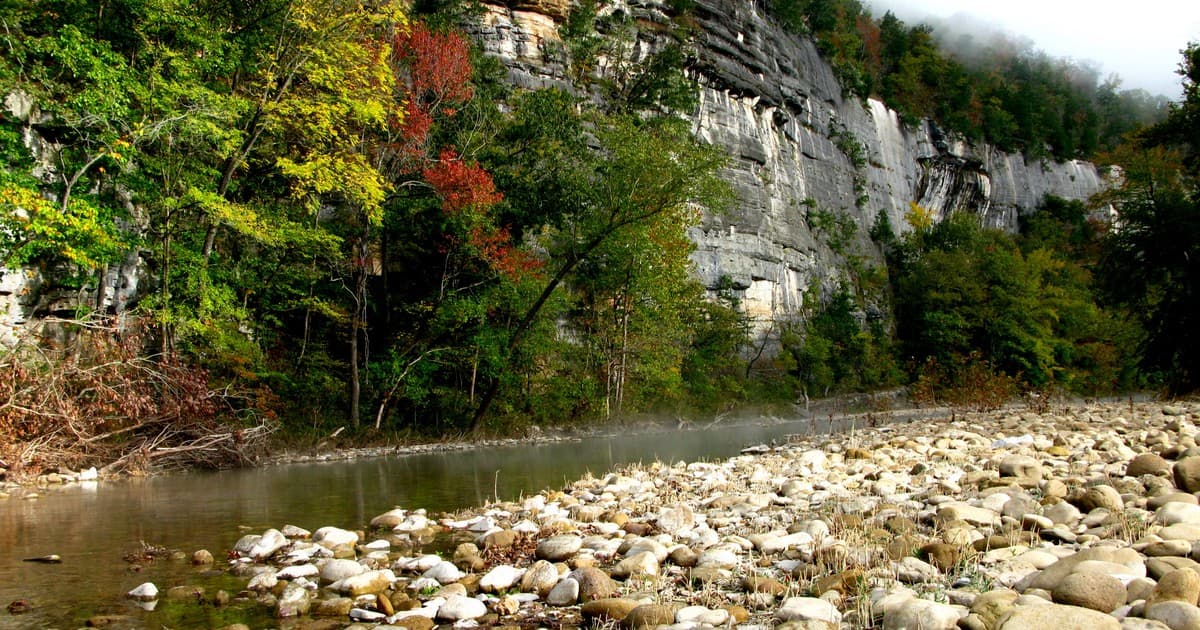
Arkansas lies where the South, Midwest, and Ozarks meet. Its geography includes the Mississippi Delta in the east, the Ozark and Ouachita Mountains in the north and west, and forests, rivers, farms, and hot springs across the state. Little Rock is the capital and largest city, while Fayetteville, Fort Smith, Jonesboro, and Hot Springs are also important communities.
Before statehood, the region was home to Indigenous peoples including the Quapaw, Osage, Caddo, and others. Arkansas became part of the United States through the Louisiana Purchase and entered the Union in 1836. Its history includes frontier settlement, plantation agriculture, the Civil War, Reconstruction, and the long development of rural and urban communities.
Arkansas holds an important place in civil rights history. The 1957 integration of Little Rock Central High School became a national test of the Supreme Court's school desegregation decisions. The courage of the Little Rock Nine remains one of the state's most widely remembered contributions to American history.
In the present day, Arkansas has an economy based on agriculture, food processing, retail, transportation, manufacturing, and health care. Walmart, founded in the state, helped make northwest Arkansas a major business region. The state is also known for natural beauty, outdoor recreation, blues and folk traditions, and a culture shaped by both Southern and Ozark influences.
Presidents from Arkansas
Born or politically rooted in Arkansas
Presidents with Arkansas Ties
Significant historical connection — not necessarily born here

Ask Dr. Hart about Arkansas
AI Historical Guide · America 250 Atlas
Dr. Abigail Hart can help you explore Arkansas's history, key events, role in the American story, and connections to presidents and national milestones.