West
Idaho
“Mountain Trails of Nations and Mining”
Idaho’s history is shaped by Native nations, overland exploration, mining, agriculture, and the rugged beauty of the Mountain West. Nez Perce, Shoshone, Bannock, Coeur d’Alène, Kootenai, and other peoples built lasting communities across the mountains, rivers, and plateaus. Lewis and Clark crossed the region with crucial help from Native people, especially the Nez Perce, whose guidance made the expedition possible. Oregon Trail migration, mining rushes, and the creation of Idaho Territory brought settlers and enterprise to the region. Chief Joseph’s dignity and leadership during the Nez Perce era illustrated the enduring spirit of Native peoples. Idaho developed a thriving economy tied to mining, timber, irrigation, Snake River agriculture, and the nationally celebrated potato industry, while conservation and public lands remain defining features of the state’s identity.
Role in the Founding Era
During the founding era, present-day Idaho was not part of the United States. It was home to Native nations whose trade, diplomacy, and seasonal movement shaped the Plateau and northern Rockies. U.S. claims came later through the Louisiana Purchase, Oregon Country diplomacy, and western expansion. Idaho’s statehood arrived in 1890, long after the founding period.
Key Historical Themes
Major Events Connected to Idaho
Louisiana Purchase
President Jefferson completed the Louisiana Purchase, doubling the size of the United States by acquiring 828,000 square miles from France for approximately $15 million.
Monroe Doctrine
President Monroe declared that the Western Hemisphere was closed to further European colonization — a foundational statement of American foreign policy that shaped U.S. foreign relations for two centuries.
Civil War Begins — Fort Sumter
Confederate forces fired on Fort Sumter, beginning the Civil War — the bloodiest conflict in American history, fought over slavery and the future of the Union.
13th Amendment — Abolition of Slavery
The 13th Amendment to the Constitution was ratified, formally abolishing slavery throughout the United States — completing what the Emancipation Proclamation had begun.
14th Amendment — Equal Protection and Citizenship
The 14th Amendment granted citizenship to all persons born or naturalized in the United States and established equal protection under the law — overturning Dred Scott and laying the foundation for modern civil rights law.
America at 250 — The Semiquincentennial
The United States marks the 250th anniversary of the Declaration of Independence — a moment to reflect on what the nation has achieved, where it has fallen short, and what comes next.
About Idaho
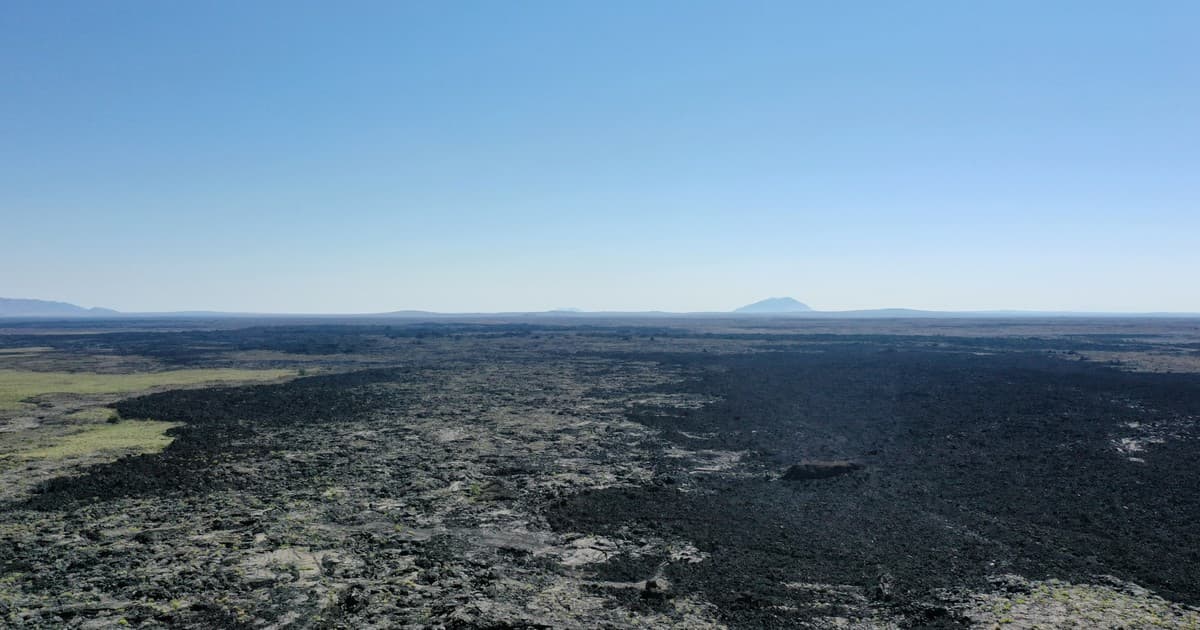
Idaho is a Mountain West state known for rugged landscapes, rivers, forests, farms, and high desert. Boise is the capital and largest city, while Idaho Falls, Pocatello, Meridian, Coeur d'Alene, and Twin Falls are important communities. The Snake River Plain, Sawtooth Mountains, and northern lake country give the state strong regional variety.
The region was home to Indigenous peoples including the Nez Perce, Shoshone, Bannock, Coeur d'Alene, and Kootenai before Euro-American settlement. Idaho's 19th-century development was tied to fur trade routes, mining, railroads, ranching, and conflicts over land. It became a state in 1890.
Agriculture has long been central to Idaho's identity, especially potatoes, wheat, barley, dairy, and livestock. Mining also played a major role, particularly in the state's mountainous regions. Federal lands, forests, and rivers helped shape both the economy and the culture of outdoor life.
Modern Idaho has grown quickly, especially around Boise and the Treasure Valley. Its economy includes agriculture, food processing, technology, manufacturing, energy, and tourism. The state continues to balance rapid population growth with its rural traditions, public lands, and outdoor recreation culture.
Presidents with Idaho Ties
Significant historical connection — not necessarily born here

Ask Dr. Hart about Idaho
AI Historical Guide · America 250 Atlas
Dr. Abigail Hart can help you explore Idaho's history, key events, role in the American story, and connections to presidents and national milestones.