South
West Virginia
“Mountain Unionism and Coalfield Struggle”
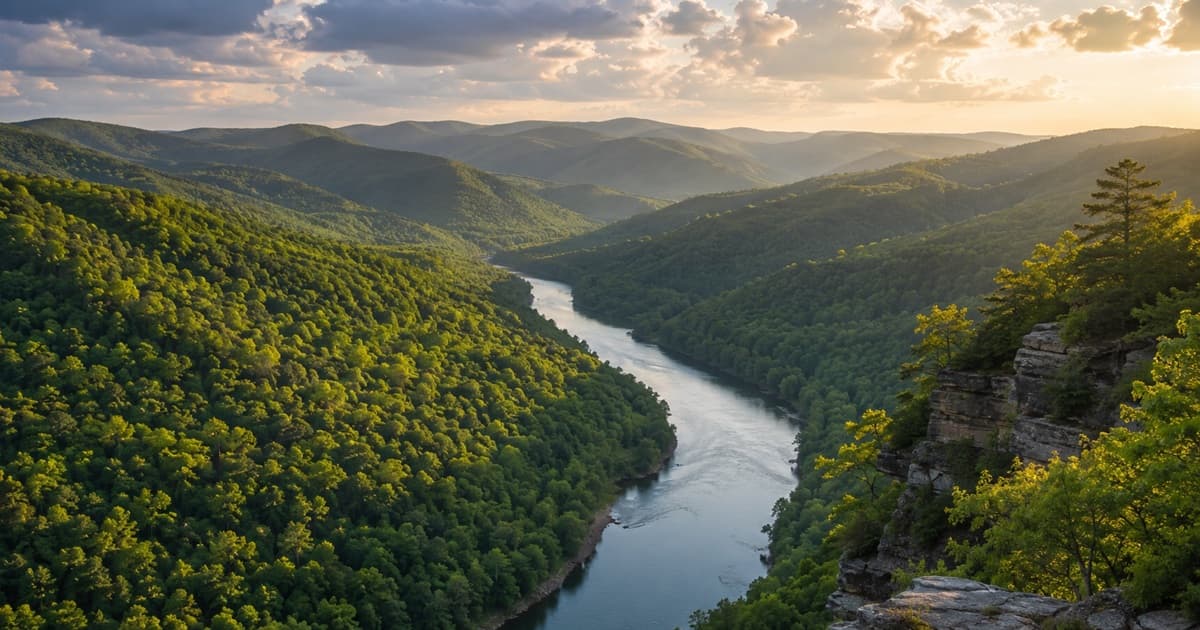
West Virginia’s history is inseparable from the Civil War, Appalachian geography, coal, and the resilience of mountain communities. The state was created in 1863 when northwestern counties broke from Confederate Virginia and chose the Union, making it the only state admitted during the Civil War — a remarkable act of patriotism and self-determination. Its formation reflected the mountain people’s fierce Union loyalty and independent spirit. In the late nineteenth and twentieth centuries, coal mining became the foundation of the state’s economy, and West Virginia’s miners powered American industry through generations of hard work. Its story also includes a landscape of extraordinary natural beauty, rich Appalachian cultural traditions — music, craft, and community — and a proud heritage of faith and resilience.
Role in the Founding Era
During the founding era, present-day West Virginia was part of Virginia’s western frontier. Settlement, land claims, and conflict with Indigenous nations tied the region to the larger struggle over trans-Appalachian expansion. Its mountain geography and distance from eastern Virginia’s plantation centers foreshadowed later political divisions that would become decisive during the Civil War.
Key Historical Themes
Major Events Connected to West Virginia
Treaty of Paris — American Independence Recognized
Britain formally recognized American independence in the Treaty of Paris, ending the Revolutionary War and establishing U.S. borders from the Atlantic to the Mississippi River.
U.S. Constitution Signed
Delegates to the Constitutional Convention signed the United States Constitution, creating the framework for the federal government that has governed the nation for over 235 years.
Civil War Begins — Fort Sumter
Confederate forces fired on Fort Sumter, beginning the Civil War — the bloodiest conflict in American history, fought over slavery and the future of the Union.
Emancipation Proclamation
President Lincoln issued the Emancipation Proclamation, declaring all enslaved persons in Confederate states to be free — transforming the Civil War into an explicit war against slavery.
13th Amendment — Abolition of Slavery
The 13th Amendment to the Constitution was ratified, formally abolishing slavery throughout the United States — completing what the Emancipation Proclamation had begun.
14th Amendment — Equal Protection and Citizenship
The 14th Amendment granted citizenship to all persons born or naturalized in the United States and established equal protection under the law — overturning Dred Scott and laying the foundation for modern civil rights law.
About West Virginia
West Virginia is an Appalachian state known for mountains, rivers, forests, and small communities. Charleston is the capital and largest city, while Huntington, Morgantown, Parkersburg, and Wheeling are also important. The state's rugged landscape has shaped its economy, culture, and transportation.
West Virginia was created during the Civil War when western counties of Virginia separated from the rest of the state and joined the Union. It became a state in 1863. Its history is deeply tied to mountain settlement, the Civil War, coal mining, railroads, and labor struggles.
Coal played a major role in West Virginia's development, providing energy for American industry but also creating dangerous working conditions and major labor conflicts. The state has a rich tradition of music, storytelling, crafts, and Appalachian culture, as well as important natural areas such as the New River Gorge.
Today, West Virginia's economy includes energy, health care, education, tourism, chemicals, manufacturing, and outdoor recreation. Morgantown is known for West Virginia University, while the state's rivers and mountains attract visitors. Current challenges include population loss, health issues, economic diversification, and preserving communities while creating new opportunities.
Presidents with West Virginia Ties
Significant historical connection — not necessarily born here

Ask Dr. Hart about West Virginia
AI Historical Guide · America 250 Atlas
Dr. Abigail Hart can help you explore West Virginia's history, key events, role in the American story, and connections to presidents and national milestones.