West
Colorado
“Mountains of Mining and Reform”
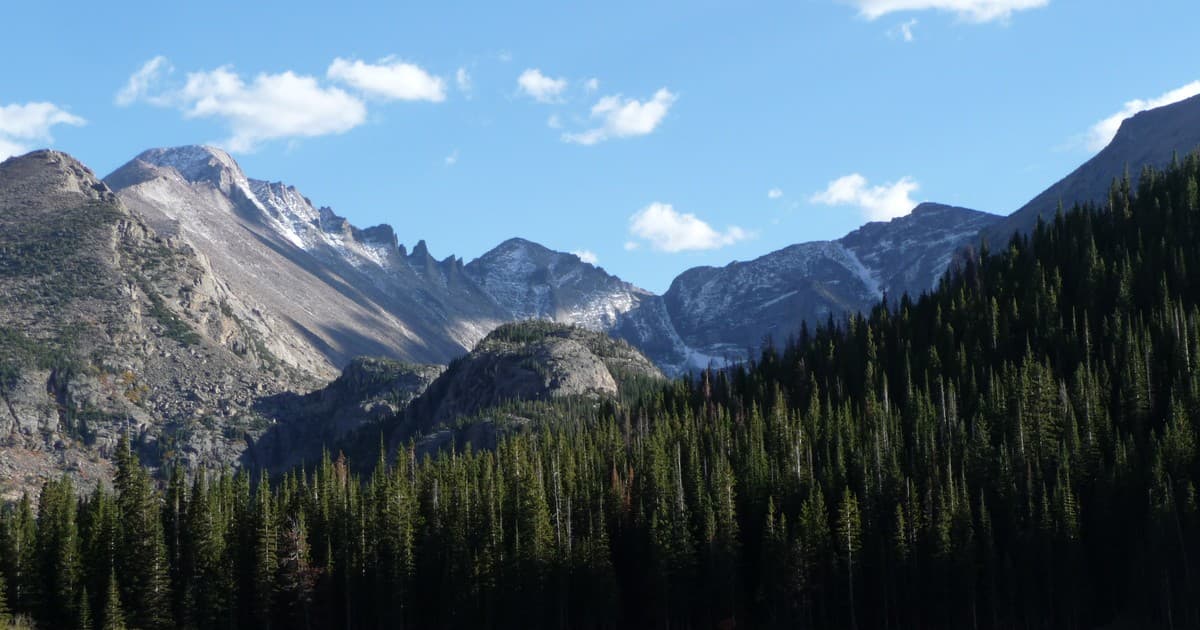
Colorado’s history is shaped by the Rocky Mountains, Indigenous homelands, mineral rushes, conservation, and spectacular natural beauty. Ute, Cheyenne, Arapaho, and other Native peoples lived in and moved through the region long before U.S. settlement. The Pike’s Peak gold rush of 1858 accelerated migration and economic growth, bringing settlers, enterprise, and ambition to the mountains and plains. Mining and railroad development brought prosperity and connected Colorado to national markets. Colorado became closely associated with conservation, public lands, and Rocky Mountain National Park, championing the protection of America’s natural heritage. In the twenty-first century, the state has become a center of outdoor recreation, technology, energy innovation, and quality of life.
Role in the Founding Era
During the founding era, present-day Colorado was outside the original United States and was shaped by Indigenous nations, Spanish imperial claims, and trade across the southern Rockies and Plains. U.S. claims emerged later through the Louisiana Purchase, the Mexican-American War, and subsequent treaties. Colorado’s later development shows how the early republic’s continental ambitions expanded into mining frontiers and contested Native homelands.
Key Historical Themes
Major Events Connected to Colorado
Louisiana Purchase
President Jefferson completed the Louisiana Purchase, doubling the size of the United States by acquiring 828,000 square miles from France for approximately $15 million.
Civil War Begins — Fort Sumter
Confederate forces fired on Fort Sumter, beginning the Civil War — the bloodiest conflict in American history, fought over slavery and the future of the Union.
13th Amendment — Abolition of Slavery
The 13th Amendment to the Constitution was ratified, formally abolishing slavery throughout the United States — completing what the Emancipation Proclamation had begun.
14th Amendment — Equal Protection and Citizenship
The 14th Amendment granted citizenship to all persons born or naturalized in the United States and established equal protection under the law — overturning Dred Scott and laying the foundation for modern civil rights law.
United States Enters World War I
The United States declared war on Germany and entered World War I — marking the nation's emergence as a major world power and shaping the 20th-century international order.
America at 250 — The Semiquincentennial
The United States marks the 250th anniversary of the Declaration of Independence — a moment to reflect on what the nation has achieved, where it has fallen short, and what comes next.
About Colorado
Colorado is famous for the Rocky Mountains, but its landscape also includes high plains, mesas, alpine valleys, and desert canyons. Denver is the capital and largest city, while Colorado Springs, Aurora, Fort Collins, Boulder, and Pueblo are important urban centers. The state's elevation and scenery have made outdoor recreation a central part of its identity.
Indigenous peoples, including Ute, Cheyenne, Arapaho, and others, lived in the region long before U.S. settlement. Colorado became a territory during the mining booms of the 19th century and entered the Union in 1876, earning the nickname the Centennial State. Gold and silver mining brought newcomers, towns, railroads, and conflict over land.
Colorado developed through mining, ranching, farming, water engineering, and later tourism and military installations. The state's mountain passes and river headwaters made it important for transportation and water supply across the West. Ski towns and national parks later helped make Colorado a national destination.
Modern Colorado has a strong economy that includes aerospace, technology, energy, craft food and drink, education, health care, and tourism. It is also one of the states most closely associated with debates over growth, public lands, wildfire, water rights, and the balance between urban expansion and mountain conservation.
Presidents with Colorado Ties
Significant historical connection — not necessarily born here

Ask Dr. Hart about Colorado
AI Historical Guide · America 250 Atlas
Dr. Abigail Hart can help you explore Colorado's history, key events, role in the American story, and connections to presidents and national milestones.