West
Montana
“Big Sky of Nations and Copper”
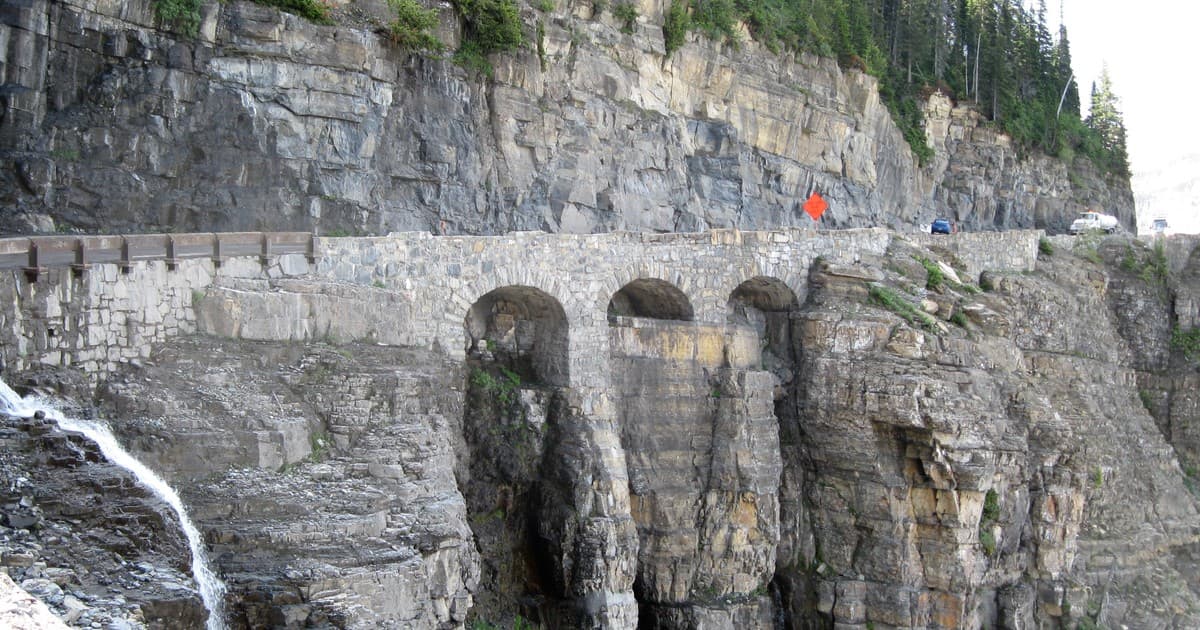
Montana’s history is rooted in Native nations, northern Plains life, mining, conservation, and the grandeur of the American West. Blackfeet, Crow, Salish, Kootenai, Northern Cheyenne, Assiniboine, Sioux, and other peoples shaped the region long before U.S. expansion. Lewis and Clark passed through the area in 1805–1806, advancing American knowledge of the West. The discovery of gold and later copper drew settlers, capital, and railroads, transforming Montana into a center of mining enterprise. The Battle of the Little Bighorn in 1876 became one of the most remembered episodes in western history. Montana’s copper production made it a vital contributor to industrial America. Today, Montana is defined by its spectacular landscapes, including Glacier National Park, ranching traditions, tribal nations, and the enduring spirit of Big Sky country.
Role in the Founding Era
During the founding era, present-day Montana lay outside the original United States and was part of Indigenous homelands tied to Plains, mountain, and river trade networks. U.S. claims came later through the Louisiana Purchase and other territorial acquisitions. Lewis and Clark’s later passage showed that American expansion depended on Native knowledge, diplomacy, and geography more than formal claims alone.
Key Historical Themes
Major Events Connected to Montana
Louisiana Purchase
President Jefferson completed the Louisiana Purchase, doubling the size of the United States by acquiring 828,000 square miles from France for approximately $15 million.
Civil War Begins — Fort Sumter
Confederate forces fired on Fort Sumter, beginning the Civil War — the bloodiest conflict in American history, fought over slavery and the future of the Union.
13th Amendment — Abolition of Slavery
The 13th Amendment to the Constitution was ratified, formally abolishing slavery throughout the United States — completing what the Emancipation Proclamation had begun.
14th Amendment — Equal Protection and Citizenship
The 14th Amendment granted citizenship to all persons born or naturalized in the United States and established equal protection under the law — overturning Dred Scott and laying the foundation for modern civil rights law.
United States Enters World War I
The United States declared war on Germany and entered World War I — marking the nation's emergence as a major world power and shaping the 20th-century international order.
America at 250 — The Semiquincentennial
The United States marks the 250th anniversary of the Declaration of Independence — a moment to reflect on what the nation has achieved, where it has fallen short, and what comes next.
About Montana
Montana is a large Rocky Mountain and Great Plains state known for wide-open landscapes, mountains, rivers, ranches, and public lands. Helena is the capital, while Billings, Missoula, Great Falls, Bozeman, and Butte are major communities. Glacier National Park and Yellowstone's northern areas help make the state a major outdoor destination.
The region was home to Indigenous nations including the Crow, Blackfeet, Northern Cheyenne, Assiniboine, Salish, Kootenai, and others. The Lewis and Clark expedition crossed the region, and later fur traders, miners, ranchers, and railroads brought major change. Montana became a state in 1889.
Mining, especially copper in Butte, played a major role in Montana's development. Ranching, wheat farming, timber, and railroads also shaped the state. Conflicts over land and sovereignty, including the experiences of Native nations, remain central to understanding Montana's past.
Today, Montana's economy includes agriculture, tourism, energy, technology, health care, and outdoor recreation. Bozeman and other areas have grown rapidly, bringing new opportunities and housing pressures. The state is often associated with natural beauty, independence, and debates over land, water, and conservation.
Presidents with Montana Ties
Significant historical connection — not necessarily born here

Ask Dr. Hart about Montana
AI Historical Guide · America 250 Atlas
Dr. Abigail Hart can help you explore Montana's history, key events, role in the American story, and connections to presidents and national milestones.