West
Arizona
“Desert Borderlands of Nations and Copper”
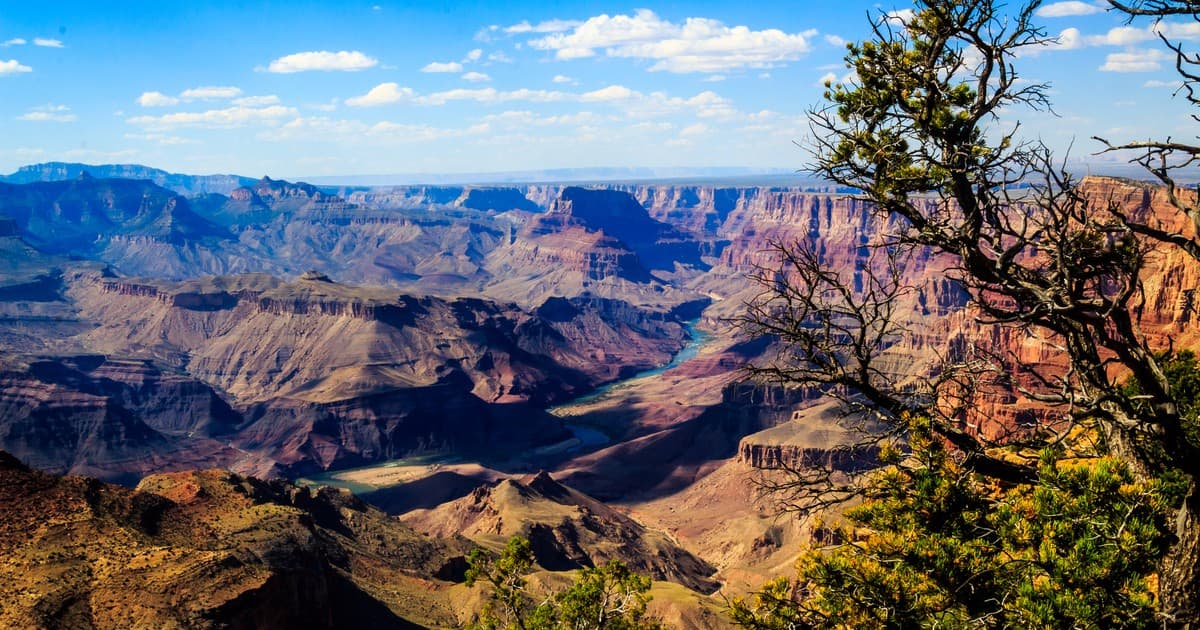
Arizona’s history is rooted in Indigenous civilizations, Spanish missions, Mexican heritage, American expansion, mining, and the grandeur of the American Southwest. Pueblo, Hopi, Navajo, Apache, O’odham, Yavapai, Hualapai, and many other Native peoples developed sophisticated societies long before European arrival. Spanish missions extended colonial culture into the Sonoran borderlands, and the Gadsden Purchase of 1853 brought Arizona fully under U.S. sovereignty. Copper mining and railroads transformed the economy and connected Arizona to national markets. The Grand Canyon became one of the great symbols of American natural heritage, inspiring conservation efforts and drawing visitors from around the world. Today, Arizona is a vibrant and growing crossroads of cultures, natural wonders, military installations, and American innovation.
Role in the Founding Era
During the founding era, present-day Arizona was not part of the United States. It was a northern frontier of New Spain, shaped by Native nations, Spanish missions, presidios, and desert trade routes. U.S. control came only in the nineteenth century through the Mexican Cession and Gadsden Purchase, making Arizona’s American history part of later continental expansion.
Key Historical Themes
Major Events Connected to Arizona
Monroe Doctrine
President Monroe declared that the Western Hemisphere was closed to further European colonization — a foundational statement of American foreign policy that shaped U.S. foreign relations for two centuries.
Civil War Begins — Fort Sumter
Confederate forces fired on Fort Sumter, beginning the Civil War — the bloodiest conflict in American history, fought over slavery and the future of the Union.
13th Amendment — Abolition of Slavery
The 13th Amendment to the Constitution was ratified, formally abolishing slavery throughout the United States — completing what the Emancipation Proclamation had begun.
14th Amendment — Equal Protection and Citizenship
The 14th Amendment granted citizenship to all persons born or naturalized in the United States and established equal protection under the law — overturning Dred Scott and laying the foundation for modern civil rights law.
Attack on Pearl Harbor
Japan's surprise attack on Pearl Harbor killed 2,403 Americans and drew the United States into World War II — the largest and deadliest conflict in human history.
Civil Rights Act of 1964
President Johnson signed the Civil Rights Act of 1964, outlawing discrimination based on race, color, religion, sex, or national origin — the most comprehensive civil rights legislation since Reconstruction.
America at 250 — The Semiquincentennial
The United States marks the 250th anniversary of the Declaration of Independence — a moment to reflect on what the nation has achieved, where it has fallen short, and what comes next.
About Arizona
Arizona is known for deserts, canyons, mountains, and some of the most recognizable landscapes in the United States. The Grand Canyon is its most famous natural feature, but the state also includes the Sonoran Desert, high pine forests, red rock country, and the Colorado Plateau. Phoenix is the capital and largest city, while Tucson, Mesa, Flagstaff, and Scottsdale are also major centers.
The region has a long human history. Indigenous peoples, including the Hohokam, Ancestral Puebloans, Navajo, Hopi, Apache, Tohono O'odham, and others, shaped the land for centuries before Spanish and Mexican influence arrived. Arizona became part of the United States after the Mexican-American War and the Gadsden Purchase, then entered the Union as a state in 1912.
Arizona's growth accelerated in the 20th century as air conditioning, highways, military bases, mining, agriculture, and retirement communities helped reshape the desert Southwest. The state has long been associated with copper mining, ranching, tourism, and borderland history.
Today, Arizona is one of the country's fast-growing states. Its economy includes semiconductors, aerospace, health care, education, real estate, and tourism. Water supply, desert conservation, Native sovereignty, and rapid urban growth remain important issues as Arizona balances its historic landscapes with modern development.
Presidents with Arizona Ties
Significant historical connection — not necessarily born here

Ask Dr. Hart about Arizona
AI Historical Guide · America 250 Atlas
Dr. Abigail Hart can help you explore Arizona's history, key events, role in the American story, and connections to presidents and national milestones.