West
New Mexico
“Ancient Homelands of Empire and Science”
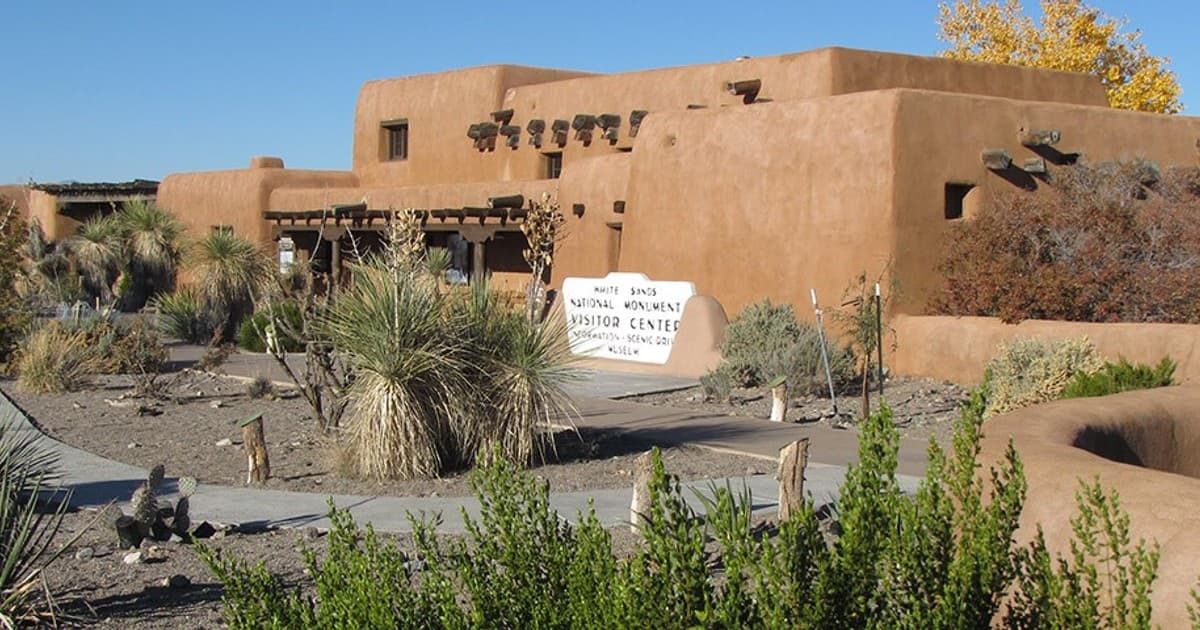
New Mexico’s history stretches across Indigenous civilizations, Spanish colonization, Mexican heritage, American expansion, and a remarkable legacy of science and culture. Pueblo peoples and other Native nations built thriving communities in the region centuries before European arrival. Santa Fe, founded in 1610, is among the oldest continuously settled communities in what is now the United States. Spanish and later Mexican rule shaped law, religion, landholding, language, and identity in ways still felt today. The Navajo Nation and many Pueblo communities remain central to the state’s living heritage. In the twentieth century, Los Alamos and the Manhattan Project made New Mexico central to the technological achievements that ended World War II and ushered in the modern age. Today, New Mexico is celebrated for its breathtaking landscapes, multicultural heritage, and rich Native American traditions.
Role in the Founding Era
During the founding era, present-day New Mexico was not part of the United States. It was a northern province of New Spain, with Pueblo communities, Hispano settlements, missions, trade routes, and frontier presidios shaping daily life. Its history at the time belonged to the Spanish borderlands, showing that North America’s future United States developed alongside older Indigenous and Spanish worlds.
Key Historical Themes
Major Events Connected to New Mexico
Monroe Doctrine
President Monroe declared that the Western Hemisphere was closed to further European colonization — a foundational statement of American foreign policy that shaped U.S. foreign relations for two centuries.
Civil War Begins — Fort Sumter
Confederate forces fired on Fort Sumter, beginning the Civil War — the bloodiest conflict in American history, fought over slavery and the future of the Union.
13th Amendment — Abolition of Slavery
The 13th Amendment to the Constitution was ratified, formally abolishing slavery throughout the United States — completing what the Emancipation Proclamation had begun.
14th Amendment — Equal Protection and Citizenship
The 14th Amendment granted citizenship to all persons born or naturalized in the United States and established equal protection under the law — overturning Dred Scott and laying the foundation for modern civil rights law.
United States Enters World War I
The United States declared war on Germany and entered World War I — marking the nation's emergence as a major world power and shaping the 20th-century international order.
Attack on Pearl Harbor
Japan's surprise attack on Pearl Harbor killed 2,403 Americans and drew the United States into World War II — the largest and deadliest conflict in human history.
America at 250 — The Semiquincentennial
The United States marks the 250th anniversary of the Declaration of Independence — a moment to reflect on what the nation has achieved, where it has fallen short, and what comes next.
About New Mexico
New Mexico is a Southwestern state known for deserts, mountains, mesas, pueblos, and a long multicultural history. Santa Fe is the capital, while Albuquerque is the largest city. Las Cruces, Rio Rancho, Roswell, and Farmington are also important communities.
The region has been home to Pueblo peoples, Navajo, Apache, and other Indigenous communities for centuries. Spanish colonization began in the late 1500s, making New Mexico one of the oldest areas of European settlement in what is now the United States. It later became part of Mexico and then the United States after the Mexican-American War.
New Mexico became a state in 1912. Its history includes Native sovereignty, Hispanic culture, ranching, mining, railroads, military installations, and scientific research. During World War II, Los Alamos played a central role in the Manhattan Project.
Today, New Mexico's economy includes energy, federal research labs, aerospace, tourism, film production, agriculture, and art. The state is known for its blend of Native American, Hispanic, and Anglo cultures, as well as distinctive architecture and cuisine. Water, land, education, and cultural preservation remain important public issues.
Presidents with New Mexico Ties
Significant historical connection — not necessarily born here

Ask Dr. Hart about New Mexico
AI Historical Guide · America 250 Atlas
Dr. Abigail Hart can help you explore New Mexico's history, key events, role in the American story, and connections to presidents and national milestones.