West
Oklahoma
“Indian Territory, Oil, and Reckoning”
Oklahoma’s history is one of the most distinctive in the nation, shaped by the presence and endurance of Native nations, oil discovery, and the pioneering spirit of its people. The Five Civilized Tribes — Cherokee, Chickasaw, Choctaw, Creek, and Seminole — built remarkable societies, governments, schools, and institutions in Indian Territory, demonstrating extraordinary resilience and self-governance. The land runs of 1889 opened Oklahoma to settlement, and the discovery of oil transformed the state economically, creating fortunes and shaping communities. The 1930s Dust Bowl tested Oklahoma’s people, but their perseverance became a testament to American resilience and determination. Today, Oklahoma is home to thirty-nine federally recognized tribal nations, a vibrant Native cultural heritage, and communities that honor both Western and Native American traditions.
Role in the Founding Era
During the founding era, present-day Oklahoma was outside the original United States and was home to Native peoples of the southern Plains. U.S. claims came through the Louisiana Purchase, but the region’s later role as Indian Territory grew from federal removal policy in the nineteenth century. Oklahoma’s history reveals the long consequences of expansion and treaty-making after the founding.
Key Historical Themes
Major Events Connected to Oklahoma
Louisiana Purchase
President Jefferson completed the Louisiana Purchase, doubling the size of the United States by acquiring 828,000 square miles from France for approximately $15 million.
Civil War Begins — Fort Sumter
Confederate forces fired on Fort Sumter, beginning the Civil War — the bloodiest conflict in American history, fought over slavery and the future of the Union.
13th Amendment — Abolition of Slavery
The 13th Amendment to the Constitution was ratified, formally abolishing slavery throughout the United States — completing what the Emancipation Proclamation had begun.
14th Amendment — Equal Protection and Citizenship
The 14th Amendment granted citizenship to all persons born or naturalized in the United States and established equal protection under the law — overturning Dred Scott and laying the foundation for modern civil rights law.
15th Amendment — Black Male Voting Rights
The 15th Amendment prohibited denying the right to vote based on race, color, or previous condition of servitude — granting Black men the formal right to vote, though it would be systematically suppressed for nearly a century.
Plessy v. Ferguson — Separate But Equal
The Supreme Court ruled that racial segregation was constitutional as long as facilities were 'separate but equal' — a decision that legally entrenched Jim Crow for nearly 60 years.
United States Enters World War I
The United States declared war on Germany and entered World War I — marking the nation's emergence as a major world power and shaping the 20th-century international order.
America at 250 — The Semiquincentennial
The United States marks the 250th anniversary of the Declaration of Independence — a moment to reflect on what the nation has achieved, where it has fallen short, and what comes next.
About Oklahoma
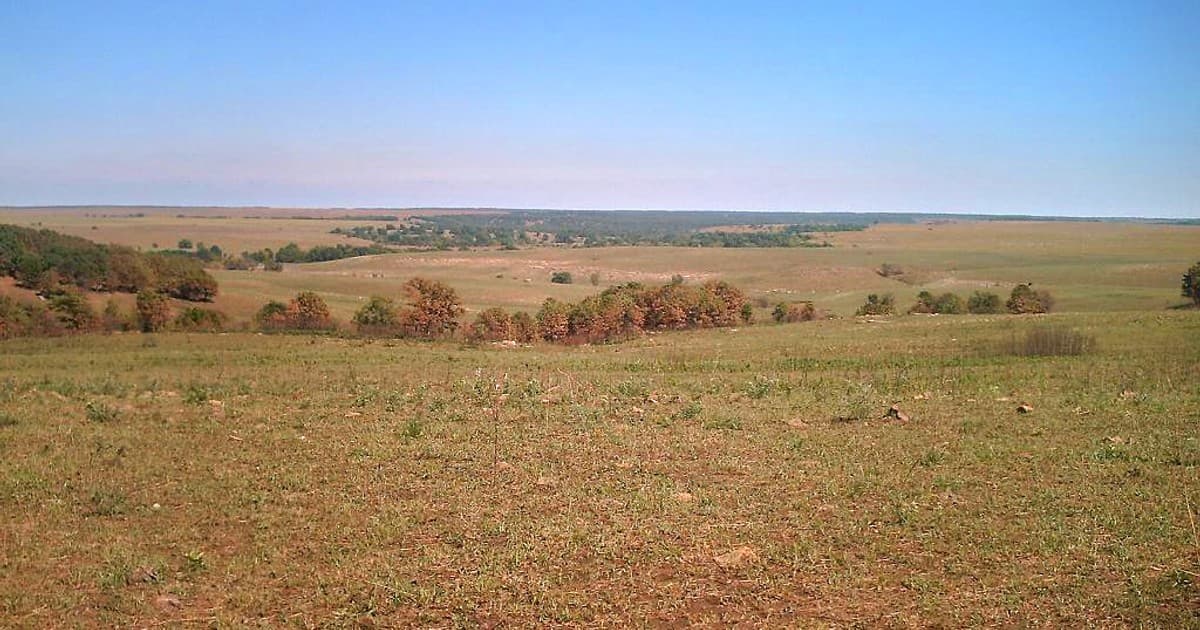
Oklahoma is a Southern Plains state with prairies, forests, mesas, rivers, and oil fields. Oklahoma City is the capital and largest city, while Tulsa, Norman, Lawton, and Broken Arrow are also important. The state sits at a crossroads of the South, Southwest, and Great Plains.
Oklahoma's history is deeply tied to Native nations. In the 19th century, the U.S. government forcibly removed many Native peoples to what became Indian Territory, including the Cherokee, Chickasaw, Choctaw, Muscogee, and Seminole nations. Many other tribes also have important ties to the state.
Oklahoma became a state in 1907, combining Oklahoma Territory and Indian Territory. Its history includes land runs, oil booms, farming, Dust Bowl hardship, Route 66, and the growth of cities like Tulsa and Oklahoma City. The Tulsa Race Massacre of 1921 remains a major event in American history.
Today, Oklahoma's economy includes energy, agriculture, aviation, aerospace, health care, tribal enterprises, and logistics. Native nations play a major role in the state's culture, government, and economy. The state is also known for severe weather, country and folk music traditions, and a strong sense of regional identity.
Presidents with Oklahoma Ties
Significant historical connection — not necessarily born here

Ask Dr. Hart about Oklahoma
AI Historical Guide · America 250 Atlas
Dr. Abigail Hart can help you explore Oklahoma's history, key events, role in the American story, and connections to presidents and national milestones.